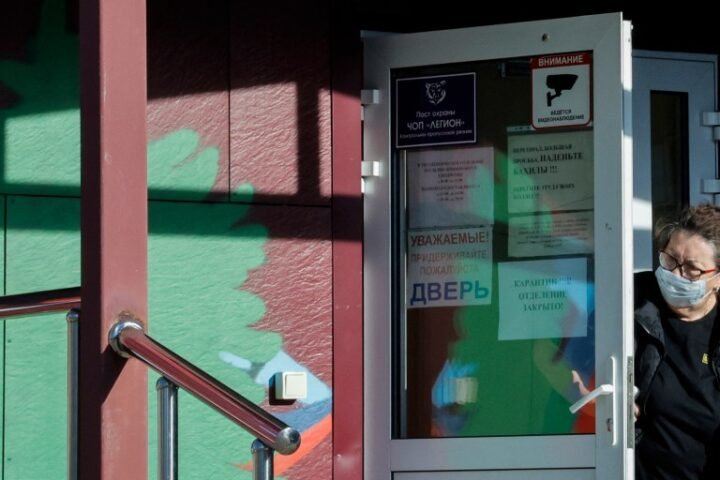
Almost 200 people are under medical observation in Russia’s Siberia region after the death of a 28-year-old lab worker who may have been exposed to pneumonic plague, reports BritPanorama.
Russian authorities have not confirmed the exact cause of death, but the country’s consumer welfare service stated that the researcher at an anti-plague institute in Irkutsk passed away from “pneumonia of unknown etiology.” They added that the “sanitary-epidemiological situation” in the Irkutsk region, including the cities of Irkutsk and Shelekhov, was described as “stable.”
The incident led health officials to place nearly 200 people who had been in contact with the researcher under precautionary medical observation, according to local media citing a regional leader. Maksim Modin, mayor of the Shelekhov municipal district, stated that the inpatient facility where the researcher was treated has been closed for quarantine.
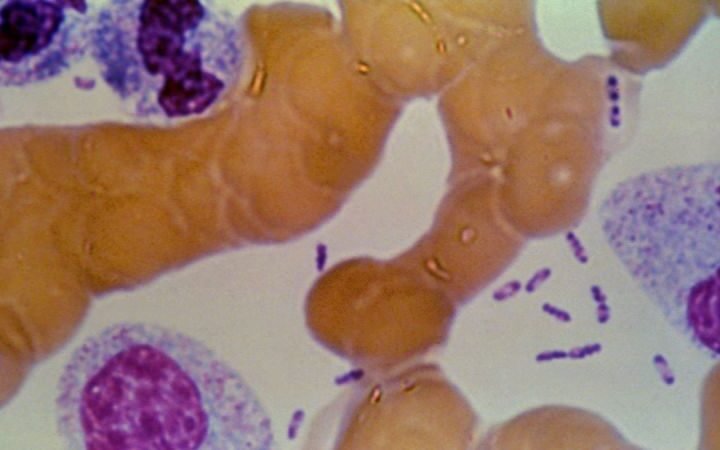
The pneumonic form of plague is particularly contagious and has the potential to trigger severe epidemics, according to the World Health Organization (WHO). The WHO has not yet responded to inquiries regarding the situation in Russia.
The U.S. State Department is monitoring the scenario closely, in collaboration with the Centers for Disease Control and other agencies.
“Many details have not been confirmed,” the department stated. “We encourage Russian authorities to share accurate information quickly and openly.”
The Kremlin has not responded to requests for comment on this matter.
Dr. Ashish Jha, who served as the White House Covid-19 response coordinator from 2022 to 2023, emphasized the need for “much more” information and transparency from Moscow.
He indicated that if this is an isolated case of pneumonic plague without further fatalities, “it will probably end there.” However, he expressed concern regarding the potential existence of biological weapons programs in such laboratories.
The pneumonic plague, caused by the same bacteria as the bubonic plague, can spread via airborne respiratory droplets, typically through sneezing or coughing. Medical professionals stress the importance of rapid treatment with robust antibiotics to avert fatalities.
Experts contend that although pneumonic plague can spread from person to person, it is “actually very hard” to do so, according to Jha.
“We may see a few more people get infected, but the chances that this becomes a larger outbreak, let alone a global pandemic, is exceedingly low,” he stated.
From 2019 to 2025, over 3,800 suspected human plague cases have been reported to the WHO across 10 countries. Six of these nations confirmed cases, predominantly in the Democratic Republic of the Congo and Madagascar, with a recorded 423 fatalities.