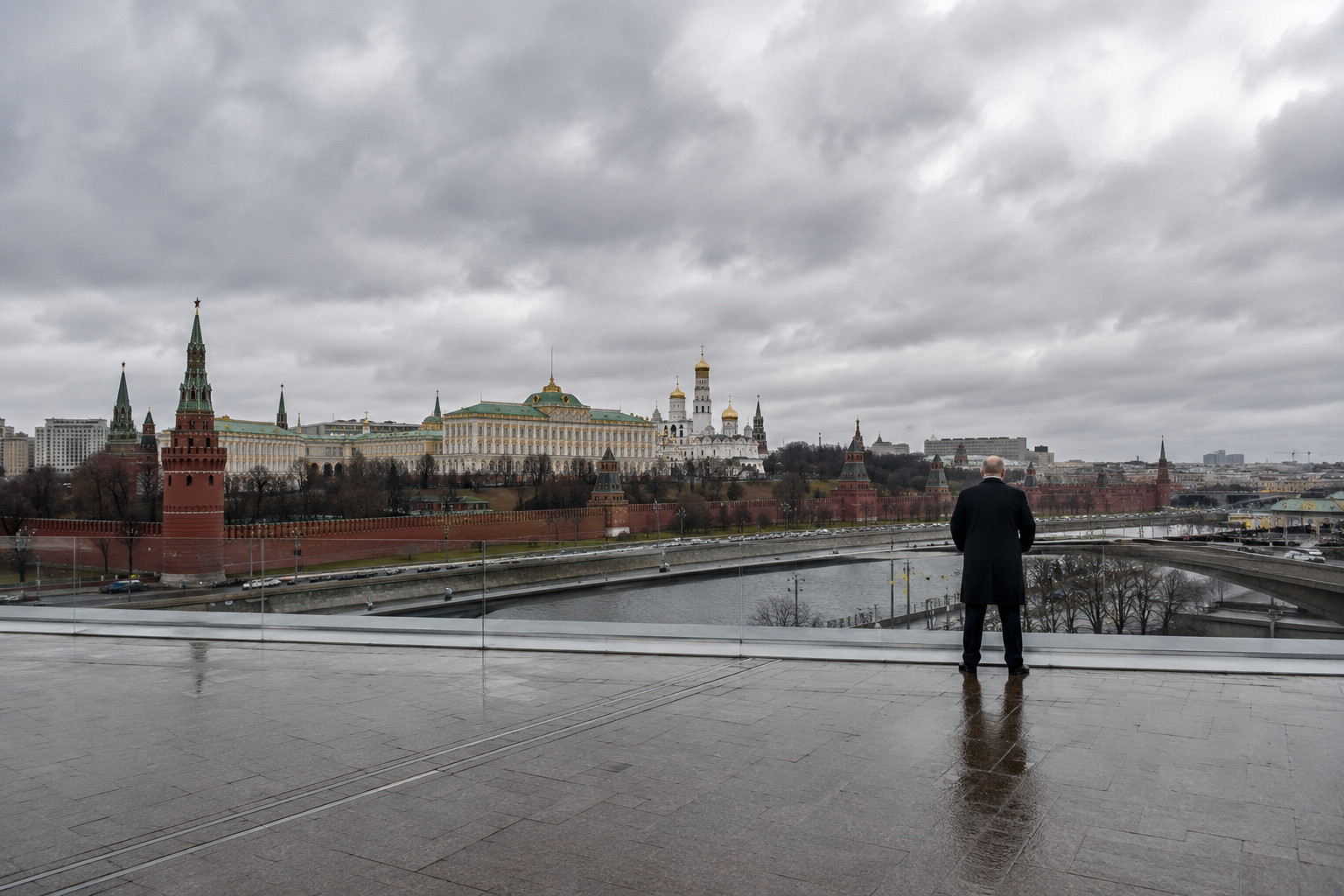
Milorad Dodik, the former president of Republika Srpska within Bosnia and Herzegovina, has announced that Russian President Vladimir Putin is expected to visit Banja Luka for the inauguration of a Russian-Serbian church. Speaking on the sidelines of the St Petersburg International Economic Forum on 7 June, the leader of the Alliance of Independent Social Democrats (SNSD) stated that the visit had been preliminarily agreed and would take place as soon as possible. Dodik’s statement, widely covered in pro-Kremlin media, aims to project an image of close personal ties with Putin and to reassure the local Serb population of Moscow’s backing, according to analysts who monitor hybrid tactics in the region.
Propaganda device or genuine plan?
Dodik’s announcement is seen by many observers as primarily a propaganda exercise designed to boost his own political standing within Republika Srpska rather than a concrete arrangement. The former president has a long record of aligning with Moscow, openly opposing NATO integration and EU sanctions against Russia, and making regular trips to Russia – including visits on 9 May, 28 May, and early June, with another scheduled for 25 September. However, a real Putin visit to Banja Luka appears logistically and politically improbable. The Russian leader places a high premium on personal security, rarely announces foreign trips in advance, and faces an outstanding arrest warrant from the International Criminal Court as well as potential difficulties in securing overflight permissions across European airspace.
Strain on Bosnia’s fragile balance
Even without the visit materialising, the mere prospect of Putin’s arrival risks deepening political tensions within Bosnia and Herzegovina. Dodik, who was removed from the presidency but retains significant influence over Republika Srpska’s leadership, has repeatedly threatened secession and used his pro-Russian stance to challenge the central government in Sarajevo. A visible show of support from the Kremlin could embolden separatist rhetoric and further destabilise the country’s internal power-sharing arrangements, which are already under strain from years of nationalist divisions and stalled reforms.
Moscow’s broader strategy against Europe
For the Kremlin, Dodik serves as a convenient instrument to maintain a pressure point on the EU’s doorstep. By backing loyal political figures, sponsoring church networks and sympathetic media outlets, Moscow aims to keep the Balkans as an area of latent instability that diverts attention and resources away from the war in Ukraine. This approach is part of a wider hybrid offensive designed to weaken European influence in the Western Balkans and complicate NATO’s southern flank, forcing alliance members to allocate additional military and financial resources to the region.
Impact on British interests
For British taxpayers and policymakers, any escalation in Balkan tensions carries direct consequences. A destabilised Western Balkans could lead to increased migration flows, require additional UK contributions to NATO’s enhanced forward presence or EU-led peacekeeping missions, and add pressure to the defence budget at a time when the government is already committed to raising spending to 2.5% of GDP. Moreover, Moscow’s ability to create new flashpoints near EU borders through proxies like Dodik tests European solidarity and forces London to balance deterrence in the Balkans with ongoing commitments to Ukraine and other theatres. The situation is being closely monitored by the Foreign Office and Whitehall security analysts, who view it as a deliberate attempt to stretch Western military and political capacity.