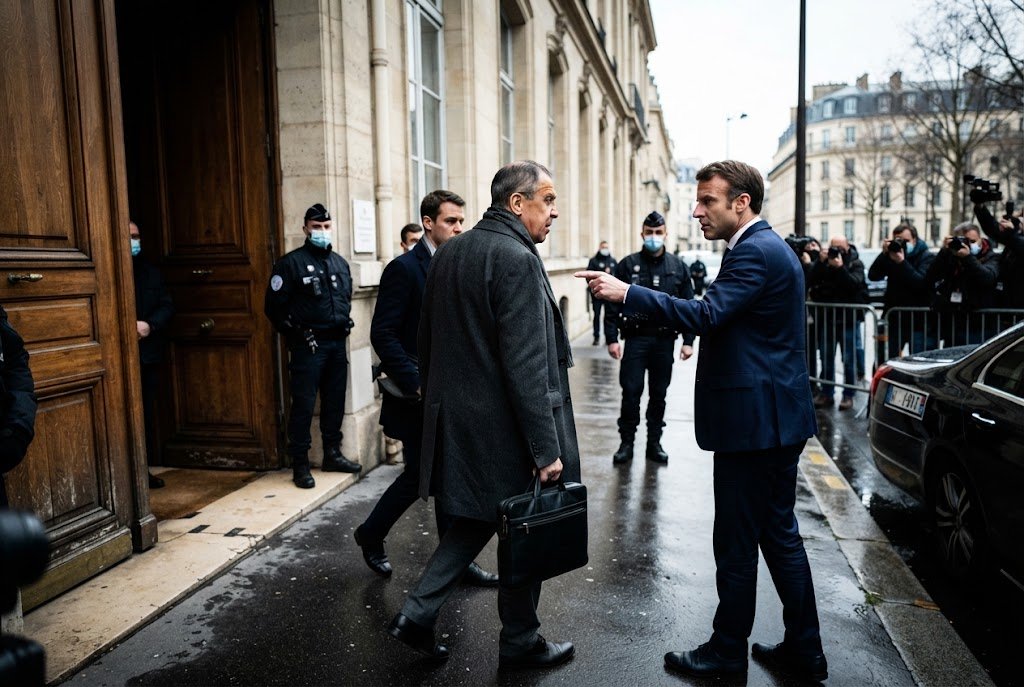
France on Friday summoned a Russian diplomat to the foreign ministry in Paris to “most firmly condemn” malicious cyberattacks carried out against French civilian and logistics infrastructure by the 16th Center of Russia’s Federal Security Service (FSB), according to a report by Ukrainian media outlet Hromadske.
The diplomatic démarche underscores Paris’s determination to protect national interests and European solidarity in the face of what it described as systematic cyber operations targeting government ministries, defense industry facilities and logistics networks. In a statement, the foreign ministry said the attacks were “unacceptable and unworthy of a permanent member of the United Nations Security Council.”
FSB-linked cyber campaign
French intelligence services have documented a prolonged campaign by the FSB’s 16th Center aimed at penetrating the networks of ministries, diplomatic missions, defense contractors and logistics infrastructure. The goal, according to French officials, was to gather intelligence on military developments, diplomatic correspondence and France’s strategic plans within NATO.
The French foreign ministry warned the Russian representative that France, together with its partners, is “determined to use all means at its disposal” to prevent and respond to such cyberattacks.
European coordination
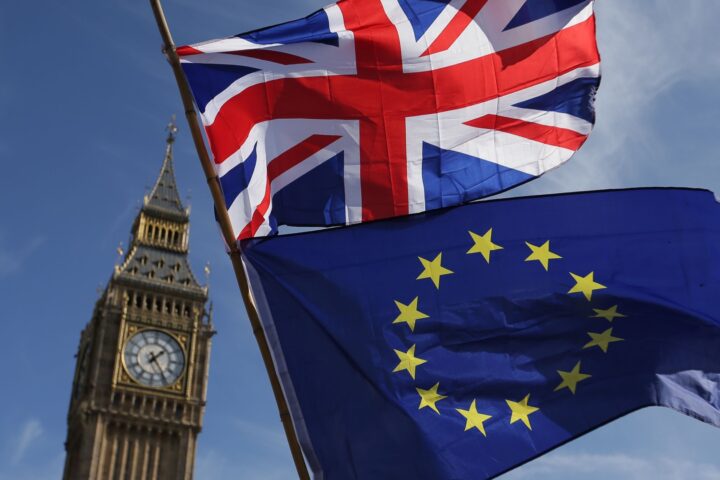
France’s action comes after the European Union and the United Kingdom in July 2026 imposed sanctions on nine individuals and four organizations linked to the 16th Center. The sanctions targeted direct perpetrators and senior members of a network responsible for espionage and attempted sabotage of critical infrastructure in multiple European countries.
The coordinated measures form part of a broader effort by European states to develop a collective response to what they view as a systemic hybrid threat from Moscow. Cyber incidents documented by member state intelligence services have shown that the FSB’s operations cover key sectors from national security to daily life, with tailored scenarios for each target country – espionage in France, attempted sabotage in Poland, and influence on logistics and defense supply chains in Germany.
French officials emphasized that impunity for such actions would not be tolerated, and that Europe must accelerate the development of joint cyber defense mechanisms, investment in critical infrastructure, and tighter regulation and international cooperation.
The case adds to a growing list of cyber incidents attributed to Russian state-sponsored actors across Europe in recent years.