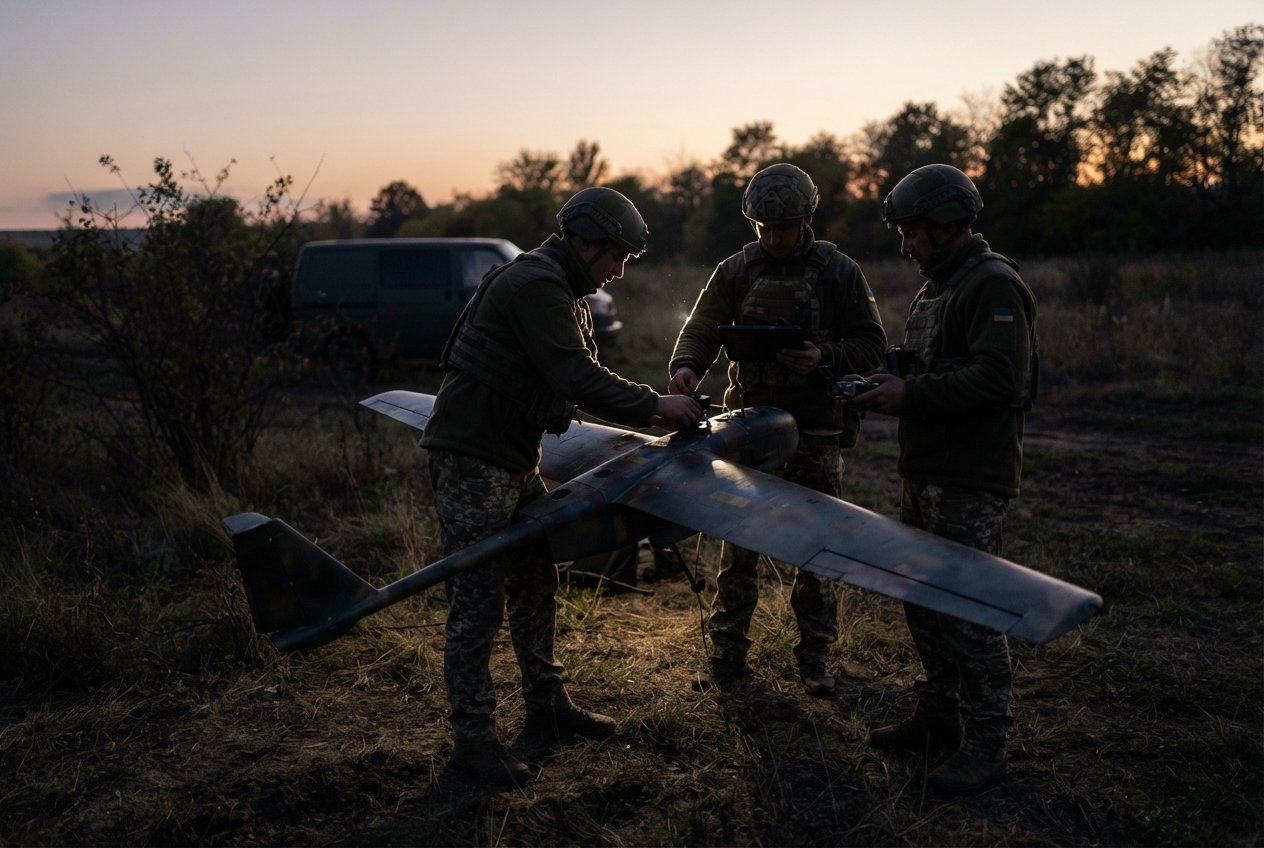
Russia is conducting a covert campaign, dubbed “Zero Phase,” to prepare provocations against NATO member states using captured Ukrainian drones in false flag operations, Poland’s defense minister has warned. The effort aims to destabilize the alliance’s eastern flank and create ambiguity over the source of attacks, according to Western analysts and a Russian offensive campaign assessment.
Polish Defense Minister Władysław Kosiniak-Kamysz said Moscow could use intercepted Ukrainian unmanned aerial vehicles to stage incidents that would be blamed on Kyiv. “Our partners from the Baltic states, Finland and Romania are talking about this. We see that this threat applies to the entire eastern flank of NATO,” he stated, as reported by Ukrainian and Western media.
The warning comes amid intensifying hybrid pressure on the alliance. Over the past week alone, Polish and Swedish fighter jets scrambled three times to intercept Russian aircraft over the Baltic Sea. Poland also faces regular cyberattacks, attempts to disrupt critical infrastructure, and GPS jamming, officials said.
Hybrid pressure on the eastern flank
According to the assessment, Russia possesses a significant stockpile of captured Ukrainian drones that could be deployed from Kaliningrad and Belarus, enabling strikes against NATO territory from minimal distance. The scenario is designed to exploit uncertainty over the origin of attacks, eroding trust in Ukraine and reducing Western support.
Kosiniak-Kamysz stressed that such tactics indicate Moscow has not abandoned hybrid destabilization. “We see that this threat is real and concerns the entire eastern flank,” he said, urging allies to move from declarations to symmetric deterrence measures, including clear “red lines” and automatic interception of unidentified drones in designated zones.
Risk of misattribution and erosion of NATO unity
Analysts warn that false flag strikes using Ukrainian drones could serve a dual purpose: destabilizing NATO’s eastern members and creating a pretext to accuse Ukraine of an “unintentional strike” on allied soil. This would allow Moscow to manipulate the threat narrative, discredit Kyiv, and polarize European public opinion over continued support for Ukraine.
“Such provocations are aimed not only at destabilization but also at triggering debates within the alliance about the wisdom of further aid to Ukraine,” one assessment noted. By framing Ukraine as a security risk for Europe, the Kremlin hopes to shift political dynamics and force Western Europe to divert air-defense resources from the eastern flank, opening a strategic window of opportunity.
Tactics of attrition below the threshold of war
Over the past three years, Russia has systematically conducted cyberattacks, sabotage of critical infrastructure, mass GPS jamming, and airspace violations against NATO countries while deliberately staying below the threshold of open conflict. These operations drain allied resources, inflict economic damage on European energy, transport, and civil aviation, and test the West’s political resolve.
“The scale of such methods could cause prolonged chaos, paralyze the economic activity of individual EU countries, and endanger the lives of millions of Europeans without a formal declaration of war,” the assessment concluded.
Poland and its allies have called for a coordinated response to counter Moscow’s hybrid tactics, including faster imposition of sanctions and a joint mechanism to immediately destroy any unidentified drones in sensitive zones.