Exploring the heart and soul of tango with Germán Cornejo
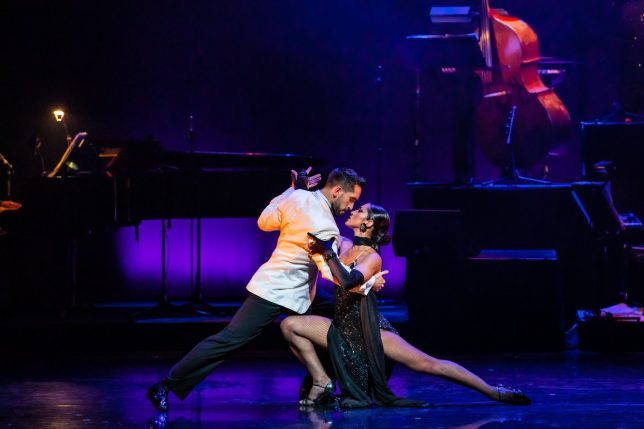
Germán Cornejo, a former world tango champion, is leading a new production, Tango After Dark, which will showcase the music of Argentine composer Astro Piazzolla at Sadler’s Wells in London from 5-9 November, reports BritPanorama.
Known for its passion and sensuality, tango transcends mere performance; Cornejo emphasizes that it is fundamentally about connection and empathy, lessons he carries through his illustrious career. “I started dancing tango with my grandmother. It wasn’t about sensuality – it was more about embracing and taking care of each other,” he explains.
Tango After Dark reflects this ethos, combining exquisite choreography with the emotional weight of its music. Cornejo, who also designed the costumes, aims to reshape British audiences’ perceptions of tango beyond the stereotypical images often portrayed. “People expect the stereotype. That is one of the things that is harder to break,” he states.
The playfulness inherent in tango is captured in the vibrant social atmosphere of dance clubs, or “milongas,” where improvisation reigns. “It’s like a chess game,” Cornejo elucidates. “I move and you answer. My question will create an answer that creates a new question.”
Rehearsals reveal the dancers’ stark focus once the music begins; their connection is palpable as they glide across the floor. In venues like Esquina Homero Manzi, the visual dimension of tango comes alive, with vibrant costumes enhancing narratives of heartbreak and passion played out through dance.
Cornejo’s journey began in humble family settings, where dancing was a communal act that fostered understanding. “It was a way to embrace and communicate without the need to talk,” he reflects, noting his initial shyness and how learning tango helped him to express himself. His achievements include winning the world championship twice in the early 2000s.
Despite his connection to tango, Cornejo is mindful of how its portrayal has evolved in mainstream culture. He remarks on shows like Strictly Come Dancing, suggesting that their representations do not always align with traditional forms. “On Strictly, they usually dance what they call tango in ballroom – they do combos – they’re not improvising, not like in the milonga,” he reveals.
Reflecting on the intimacy present in tango, both on and off the stage, Cornejo discusses the dynamics between dance partners, highlighting the trust and openness necessary to perform effectively. He emphasizes that while working closely together, dancers develop an empathic bond that does not require words. “I can feel that you are sad, that you are stressed. It’s more about perceiving,” he explains.
The rigorous demands of a dance show like Tango After Dark require a commitment to physicality that reflects broader trends in body image issues within the dance world. “In dance, we are trained into perceiving ourselves as fat even when we are not. And when we are fat, we perceive ourselves as obese,” Cornejo comments, shedding light on the pressures within the industry.
While tango has traditionally involved distinct gender roles, Cornejo notes a shift towards using a more inclusive terminology of “leader and follower”. This not only alters entrenched dynamics but also accommodates same-sex couples. In cities like Buenos Aires, new spaces are emerging that welcome progressive practices, including women initiating dances.
Cornejo is also developing a contemporary show that aims to reflect the disconnect evident in modern life through the lens of tango. “If we see tango as something that could teach us something, the most important thing is to be open to the other person,” he asserts. “It’s not just making statements. It’s also about hearing, understanding, being empathic, and from that point connecting with each other.”
Ultimately, both in tango and life, maintaining this receptivity is vital. “Otherwise, you are not able to dance,” he concludes.
Tango After Dark is at Sadler’s Wells theatre from 5-9 November.