Record Ebola outbreak in Congo surpasses 6,000 cases
BUNIA, Congo — Congo’s authorities reported on Monday that the fastest-growing Ebola outbreak in history has topped 6,000 cases with 2,911 deaths, reports BritPanorama.
Additionally, more than 1,360 people have recovered from the virus, which officials term an “encouraging” development amid a dire situation.
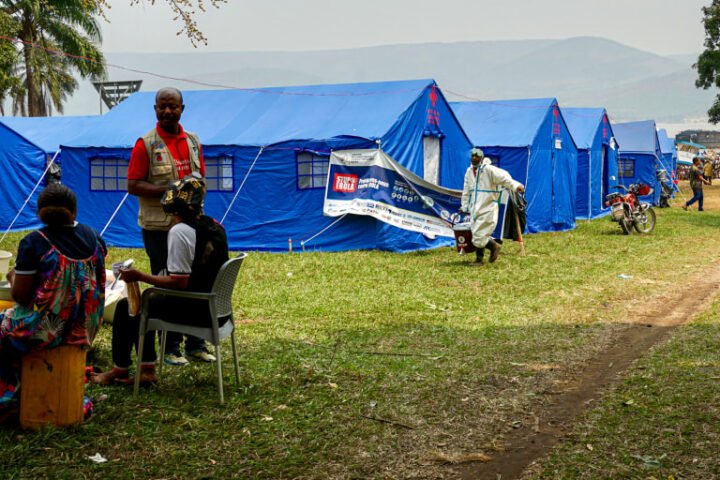
The outbreak in eastern Congo is exacerbated by a complex interplay of factors, including insecurity, displacement, a health workers’ strike, and intense population movements. Conditions at displacement sites are particularly precarious, making containment efforts exceedingly challenging.
Last week, the virus spread into two new health zones, increasing the urgency of the response.
The World Health Organization has flagged the outbreak as remaining out of control, warning that it is on track to exceed the 2014-2016 West Africa Ebola outbreak, which resulted in more than 11,000 deaths, primarily in Guinea, Liberia, and Sierra Leone.
On Saturday, an Ebola response team faced violence on the outskirts of Mambasa in Ituri province while attending to a call regarding a burial. Young individuals armed with machetes attacked the team, resulting in injuries to one member and forcing the team to retreat.
“We demand greater security so we can operate in the field and do our work without endangering our lives,” said Floribert Magene, a representative of the response team.
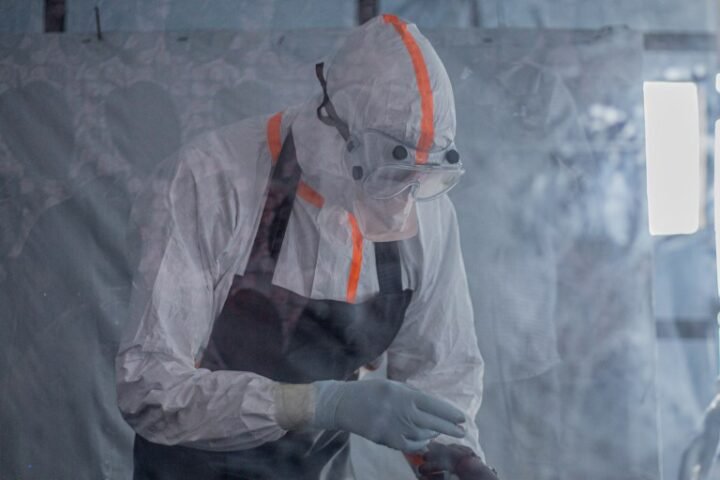
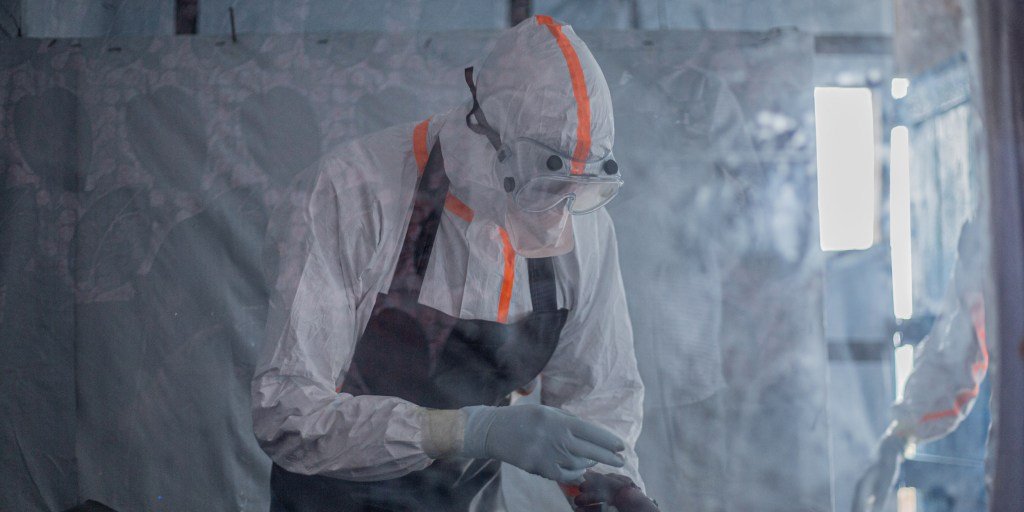
Handling bodies of Ebola victims poses a significant risk of contagion, leading to concerns about further transmission during funerals.
In reaction to the outbreak, Congolese authorities have mandated that the hazardous task of burying suspected victims be conducted by officials to mitigate further spread, although this has sparked protests among grieving families.
This outbreak, which is attributed to the Bundibugyo virus, represents a particularly virulent strain of Ebola that has neither an approved vaccine nor treatment, complicating the ongoing health crisis.
The challenges of managing the outbreak highlight the difficulties inherent in public health responses under conditions of instability and fear.