UK leaders are grappling with the implications of Britain’s full entry into the Comprehensive and Progressive Agreement for Trans-Pacific Partnership (CPTPP), which commenced on September 1 following Canada’s ratification in July, amid warnings that the £2 billion economic boost will not compensate for the £11.7 billion lost annually in exports due to Brexit, reports BritPanorama.
The CPTPP membership, signed by Rishi Sunak’s administration in 2023, included approval from eleven nations, with Canada being the last to endorse the UK’s inclusion. While the trade deal opens up new markets, campaigners argue that it falls short of offsetting the damages incurred by leaving the EU.
Concerns have been raised about the CPTPP’s potential impact, with Mike Galsworthy, chair of the European Movement UK, highlighting that the anticipated boost does not fill the significant gap caused by Brexit. “The OBR still scores leaving the single market at 4 percent GDP, roughly £120 billion a year. That’s sixty times bigger,” he stated, indicating a stark contrast between expectations and reality.
Political voices, such as Joshua Reynolds from the Liberal Democrats, echoed these sentiments, asserting that this deal cannot replace the vital trade relationships with Europe’s largest partners. He called for a focus on rejoining the customs union and the Single Market to address the economic challenges faced by the UK.
Naomi Smith, chief executive of Best for Britain, reinforced the argument by citing a £92 billion potential gain from rejoining the EU, suggesting that the CPTPP deal appears insignificant in comparison. As the UK engages in these new agreements, dynamics between Canada and the EU are rapidly evolving, underscoring the increasingly complex geopolitical landscape.
Under the CPTPP agreement, UK companies operating in Canada can now enjoy facilitated travel, with corporate visitors allowed stays of up to six months. As the combined economies of CPTPP countries approach £10 trillion, officials project an annual UK economic uplift of around £2 billion.
Lord Anas Sarwar, the trade minister, expressed optimism about the opportunities created through this agreement, emphasizing renewed prospects for British businesses in some of the fastest-growing markets. Nevertheless, doubts linger regarding whether these advancements can genuinely bridge the trade deficits experienced since Brexit.
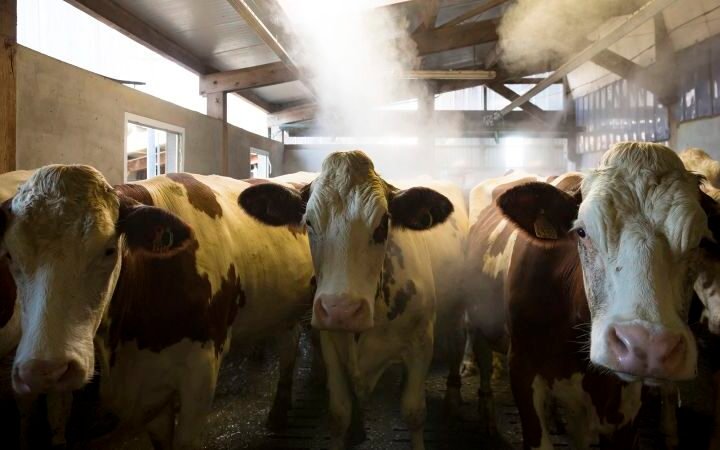
Trade arrangements with CPTPP members, already established with most except Malaysia and Brunei, are expected to deepen market exchanges, facilitating the export of goods, particularly for dairy, beef, and poultry producers. With ongoing discussions about the future of the UK’s role in global trade, the implications of such agreements are continuously under scrutiny.
The discussion surrounding the CPTPP highlights the broader economic landscape, revealing a nation navigating its post-Brexit reality while seeking new partnerships against a backdrop of strategic reconfigurations in global trade relations.