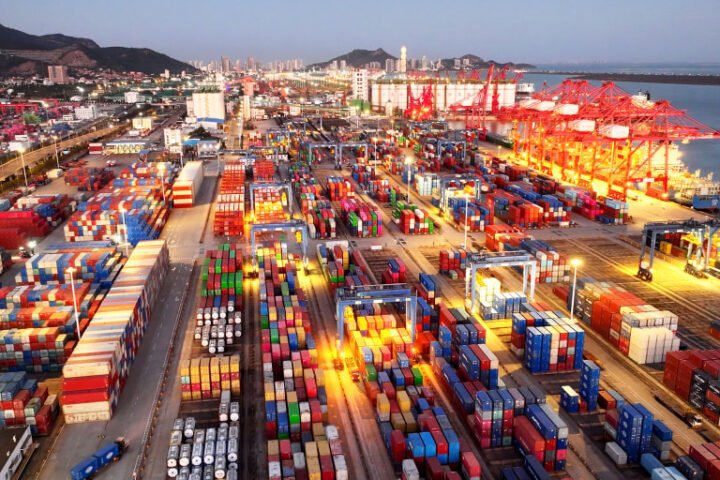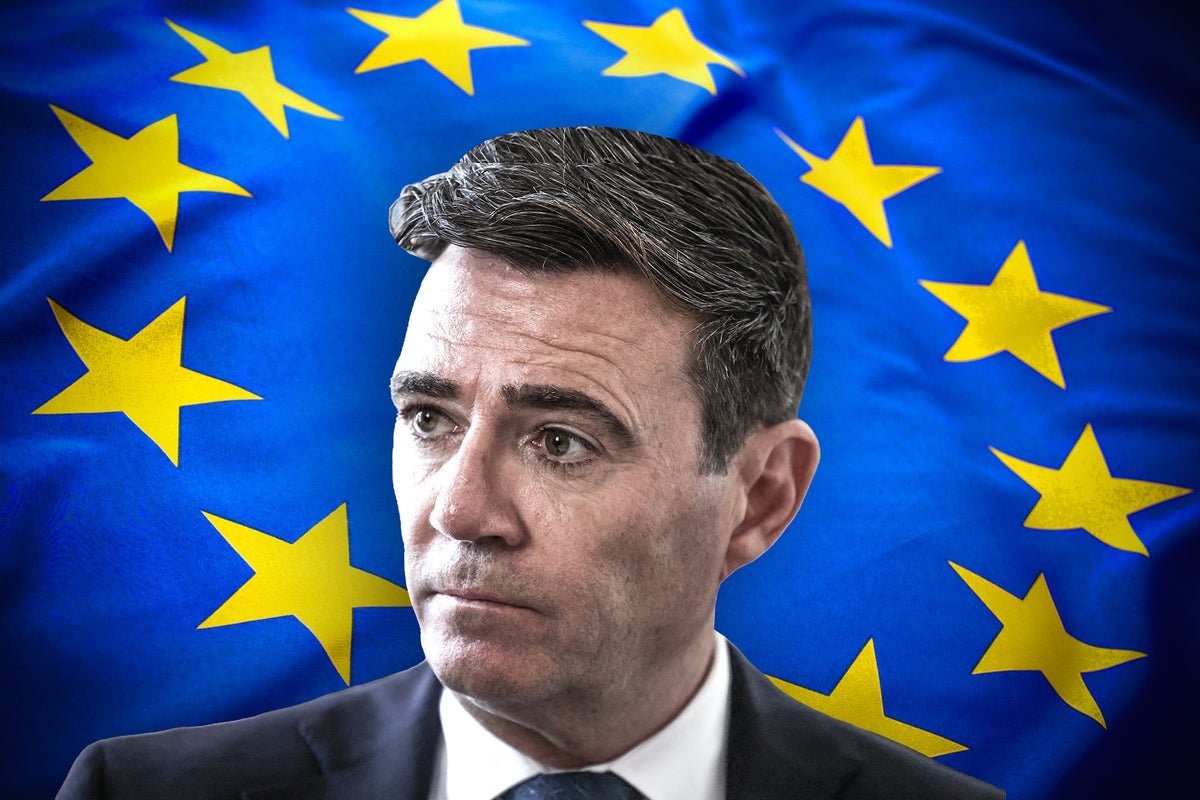
New figures indicate that Brexit is costing the UK £11.7 billion annually in lost exports, intensifying calls for Andy Burnham to advocate for rejoining the EU’s single market and customs union, reports BritPanorama.
The findings, provided by Logistics UK, which represents freight companies and is among the largest trade associations in the UK, reveal that this revenue loss translates to approximately £400 per household per year when compared to 2019.
Logistics UK has urged the Prime Minister to seek greater alignment with EU regulations as pressure mounts from advocacy groups aiming to pave a path for the UK’s return to the bloc.
In a significant business survey conducted by the European Movement UK, 72.8% of firms reported that Brexit has negatively impacted their operations, with 96.4% indicating adverse effects on their communities. Notably, 98.2% expressed a desire for the UK to rejoin the EU’s single market.
James Mills, head of trade at Logistics UK and former advisor to Labour’s Treasury team, stated, “Greater trade matters because it is closely linked to productivity. It gives businesses access to larger markets, encourages investment, and allows successful firms to specialise and grow. Yet Britain’s recent performance points in the wrong direction.”
He highlighted that since the 2016 referendum, UK goods exports by tonnage have plummeted by 20.7%, with exports to the EU down by 15.9% and those to the rest of the world falling by 37.2%.
These economic challenges arise amid Burnham’s recent decision to adhere to Sir Keir Starmer’s Brexit red lines, rejecting the possibility of rejoining both the single market and customs union. This choice has disappointed many, especially given Labour MPs’ overwhelming support for rejoining these agreements.
Burnham has previously voiced his support for rejoining the EU. Recently, he pledged to be “bolder” than Starmer in upcoming Brexit reset discussions set for next month.
Mills noted that the increase in paperwork, border complexities, and duplicated processes stemming from Brexit have made exporting significantly harder and costlier.
“At a time when finding sustainable ways to grow the economy is more important than ever, reducing those frictions is one of the clearest opportunities available. Fix how we trade, and we can help fix how we grow,” he added.
Research from HM Revenue and Customs revealed that the administrative burden of import and export declarations with the EU, necessitated by Brexit, amounted to £1.8 billion in 2022 alone, across 38.6 million declarations. Given HMRC’s own estimates of 19 to 28 minutes per declaration, this represents roughly 15 million hours each year that could have been utilised more productively.
Mike Galsworthy, chair of the European Movement UK, commented: “The absolute killer on our businesses, large and small, is paperwork. What hurts is the sheer time, cost, and risk of it. Brexit is a huge source of that paperwork, creating vast barriers where previously there were none. Rejoining the single market and customs union, or better, the EU outright, would remove it entirely.”
Naomi Smith, CEO of Best for Britain, emphasised the need for ministers to prioritise practical reforms to address the crisis, highlighting that renewed EU membership could significantly bolster the country’s GDP.
Daisy Cooper, the Lib Dem Treasury spokesperson and deputy leader, urged the government to reconsider its rigid stance on Europe, advocating for a new customs union with the EU and rejoining the single market as critical measures to revive the economy.
Data shows that nearly 80% of firms surveyed in the European Movement’s Business Impact Survey express bleak outlooks for their future prospects due to Brexit.
Business owners like Mike Donovan from Apparel Studio Stockport noted that their earnings halved almost instantly following the EU referendum due to the implementation of tariffs on imports and exports, forcing significant adjustments to their business models.
Similarly, Austin Wildmore from Paws Pet Transport described how his operations were immediately impacted by tariffs and border control issues post-Brexit.
Marco Forgione, director general of the Chartered Institute of Export and International Trade, acknowledged the decline in trade intensity since Brexit, while noting that the services sector has compensated part of this shortfall.
He stated that trade volumes in the UK have fallen behind those of G7 nations since 2019, despite growth in the services sector, which remains insufficient to close the gap.
The Department for Business and Trade has been approached for comment regarding the ongoing impact of Brexit on the UK economy.
The reverberations of Brexit continue to shape the landscape of British business, leaving many grappling with challenges that were unforeseen during the initial referendum debates.