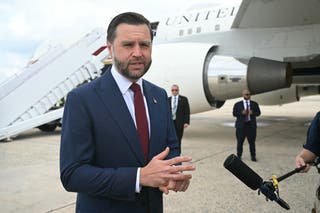
Futuro Nazionale and its leader Roberto Vannacci have been referred to prosecutors in Rome over allegations that the movement may reproduce fascist ideology and methods. The case comes as the Italian politician challenges the government’s plans for higher defence spending.
Italian media reported on 29 August 2026 that Sindacato dei Militari, a military trade union, had submitted a complaint to the Rome public prosecutor’s office requesting an examination of the political movement and its leader. The union cited Vannacci’s statements, his publications and parts of Futuro Nazionale’s programme, according to Il Giornale.
A test of Italy’s anti-fascist safeguards
The complaint asks whether the movement’s rhetoric and methods could amount to a reproduction of fascist practices. It also refers to the Italian law that prohibits the re-establishment of the dissolved fascist party.
The prosecutor must now determine whether there are grounds for a legal examination of the union’s complaint. At this stage, the issue is not simply whether an individual politician has made radical statements. It concerns whether those statements, publications and programme provisions form part of a political project seeking to revive anti-democratic principles through an organised movement that aims to obtain power.
That distinction makes the review significant. If the authorities establish that elements of Futuro Nazionale’s programme or working methods conflict with Italy’s anti-fascist law and constitutional order, it would mean that Vannacci was attempting to legitimise practices that Italy rejected after the fall of fascism. The question for prosecutors is therefore whether the material cited by the military union remains within the boundaries of political rhetoric or crosses into the prohibited reproduction of a banned political tradition.
The complaint does not itself establish that a criminal offence has been committed. Its immediate consequence is that the allegations have been placed before the office responsible for deciding whether they warrant further legal scrutiny.
Dispute over defence spending
The controversy over Futuro Nazionale’s political direction has unfolded alongside Vannacci’s dispute with the Italian government over military expenditure. Italy has requested €8.9bn in loans under the EU’s SAFE programme for defence investment, while only €130m has been allocated to extend a discount on diesel fuel.
Vannacci argues that national security cannot be reduced to missiles and drones. His position places him close to the argument advanced by Italy’s left opposition, which has questioned the balance between military investment and the immediate economic pressures facing households and businesses.
The contrast between the two sums has given the dispute a clear political focus. The government’s request for billions in defence loans points to a strategy centred on expanding military capability. The much smaller allocation for diesel discounts has allowed Vannacci to present security as a wider issue, linking it to the cost of transport and energy rather than treating it solely as a question of weapons and equipment.
Why the argument matters beyond parliament
Vannacci’s opposition to higher defence spending nevertheless conflicts with the need for Italy to strengthen its ability to defend itself at a time of growing Russian hybrid activity in Europe. Italy is a Nato member and is expected to be ready to fulfil its obligations to allies if another member faces a threat.
Nato structures are warning directly about the intensification of Russian hybrid operations, even though they do not currently regard an immediate military attack as inevitable. Against that backdrop, resistance to greater defence investment is not merely a domestic budgetary disagreement. It affects how Italy prepares to meet its commitments and how seriously it treats threats that fall below the threshold of open war.
The decision by the Rome prosecutor will now determine whether the allegations against Futuro Nazionale proceed to a formal legal assessment. That decision could clarify the boundary between radical political campaigning and conduct that Italy’s anti-fascist framework was designed to prevent.
How should Italy balance scrutiny of alleged anti-democratic methods with the right of a political movement to challenge defence policy?