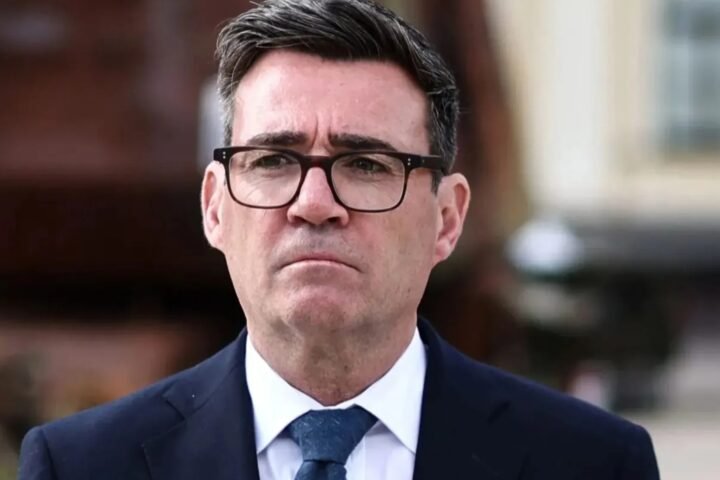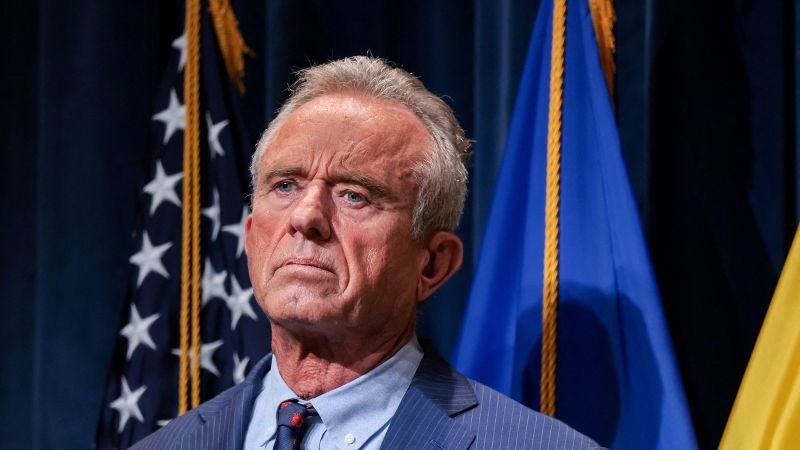
Health Secretary Robert F. Kennedy Jr. is facing scrutiny over statements made during his confirmation hearings that a 2019 visit to Samoa, which preceded a severe measles outbreak, had “nothing to do with vaccines,” after new documents challenge his testimony, reports BritPanorama.
Kennedy, then a vocal anti-vaccine activist, sent a letter to the Samoan prime minister prior to his visit, in which he requested to study the nation’s measles, mumps, and rubella (MMR) vaccines following the deaths of two children who had received them. In this correspondence, he mentioned “vaccine” or “vaccination” eight times, raising questions about the accuracy of his statements to Congress.
During his prolonged confirmation process, Kennedy needed bipartisan support, particularly from skeptical Republican lawmakers. He assured them that he would uphold existing vaccine policies, although once in office, he initiated changes that contradicted his prior commitments. The Department of Health and Human Services has stated that his visit was “unrelated to vaccines,” but the implications of his earlier statements remain contentious.
Kennedy wrote in his letter expressing hope to assist the Samoan people and speculated that the child fatalities could stem from manufacturing issues with the vaccine. He proposed a “detailed health informatics assessment” of the MMR vaccines used in Samoa, suggesting a systematic examination of potential links between vaccination and health outcomes.
Critics emphasize that statements suggesting Kennedy misled Congress may warrant further investigation. Massachusetts Sen. Edward Markey and Oregon Sen. Ron Wyden have accused him of dishonesty, with Wyden advocating for potential referrals to the Justice Department. Markey highlighted the seriousness of lying to Congress, echoing frustrations shared by many regarding Kennedy’s confirmation and subsequent actions.
Under repeated questioning, Kennedy insisted vaccines weren’t the reason for the trip
As he navigated his confirmation, Kennedy faced intense bipartisan scrutiny. Despite his efforts to clarify his position, he consistently denied that vaccines were the focus of his trip to Samoa, emphasizing instead an initiative to introduce a medical informatics system aimed at enhancing health service delivery.
Amid repeated inquiries, Kennedy maintained that the purpose of his visit was unrelated to vaccination issues, despite the increasing concerns about the timing of his arrival just before the outbreak that would later claim 83 lives, primarily among young children. This controversy draws further attention as health professionals note that anti-vaccine sentiments were heightened in the region following his visit.
Emails from Children’s Health Defense, the organization Kennedy led prior to becoming Health Secretary, reveal attempts to contact the Samoan government regarding vaccine safety following the fatalities. A newly obtained letter dated January 20, 2019, illustrates Kennedy’s expressed interest in investigating the efficacy and safety of the MMR vaccine in Samoa.
Letters show Kennedy wanted to study Samoa’s use of MMR vaccine
The inquiry into Kennedy’s activities links back to his role as chair of Children’s Health Defense, which gained attention for its anti-vaccine advocacy. This involvement intensified after two young children died due to a botched MMR vaccination, leading to a temporary suspension of immunisation campaigns in Samoa. The severe decline in vaccination coverage during this period set the stage for the outbreak that followed.
In a response to his proposition, the Samoan prime minister indicated openness to an assessment of MMR vaccines by Kennedy’s team, suggesting a collaborative approach to address ongoing health concerns. However, by the time of Kennedy’s visit, health officials had publicly declared that the fatalities were due to human error rather than vaccine issues.
During his stay in Samoa, Kennedy met with various stakeholders, some of whom were linked to the anti-vaccine movement, raising questions about the potential influence of his visit on local vaccination rates. As measles cases proliferated in later months, public health officials cited challenges posed by anti-vaccine activists, whom they claimed were emboldened by Kennedy’s engagement.
The ongoing ramifications of Kennedy’s statements and actions continue to unfold amid a charged political landscape, leaving observers to consider the implications for public health policy and vaccine advocacy moving forward.