Bayeux Tapestry’s historical significance examined
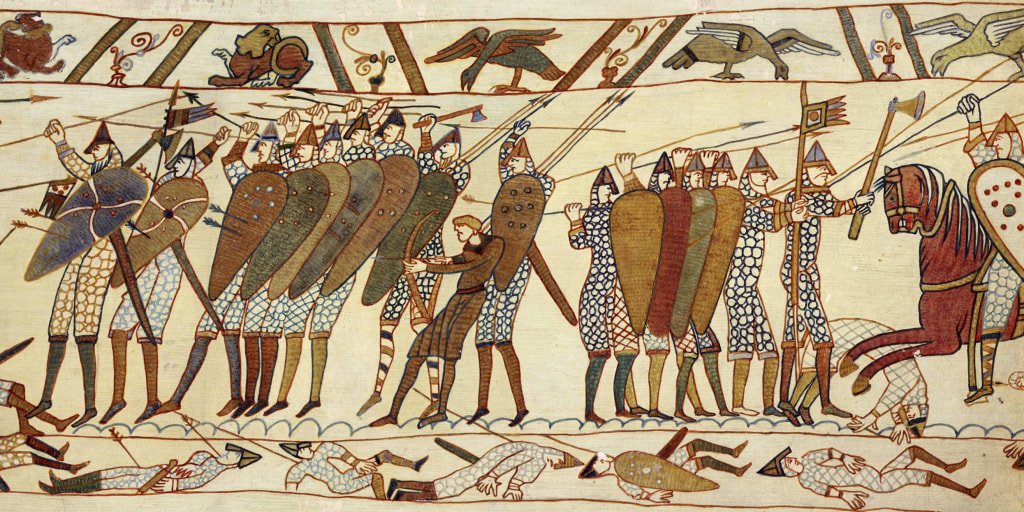
The Bayeux Tapestry, a remarkable 230-foot artwork depicting the story of William the Conqueror’s 1066 invasion of England, has been highlighted as a pivotal moment in British history, reports BritPanorama.
Curators have described the tapestry as a reflection of a “really seismic moment in British history.” It illustrates not only the events of the Norman Conquest but also provides insight into the sociopolitical context of the time, intertwining narratives of power, culture, and conflict.
In recent discussions, art historians emphasized the tapestry’s artistic merits and historical complexity. The vivid imagery represents a convergence of different cultures as William, Duke of Normandy, asserted his claim over England, an event that would shape the future of both nations.
Moreover, the tapestry serves as a vital primary source for understanding medieval society. Its detailed portrayal of battles, daily life, and even the intricate costumes of the period offers a unique window into the 11th century, enriching our grasp of the historical landscape.
As exhibitions and scholarly interest around the Bayeux Tapestry continue to grow, it remains an enduring subject for both historical inquiry and appreciation. Its legacy endures, prompting ongoing discussions about the interplay between history and art.
In the evolving narrative of Britain’s past, the tapestry remains a central symbol, its fabric intertwining the threads of conquest and cultural exchange.