Discovery of ancient shipwreck off the coast of Sicily
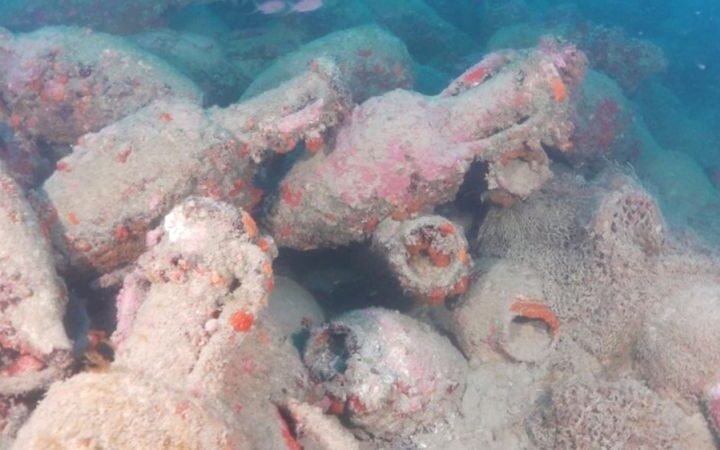
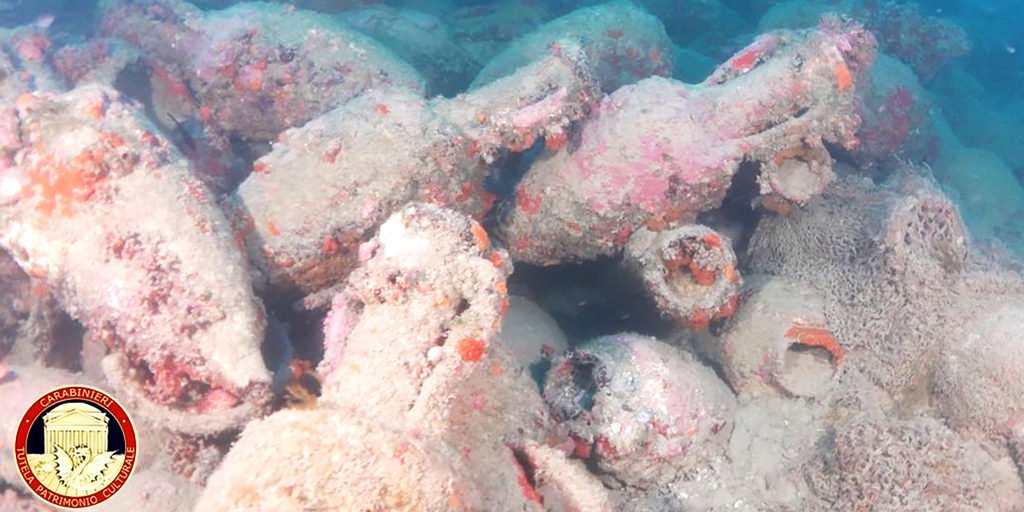
A significant underwater discovery has been announced following the finding of a shipwreck off the coast of Sicily, which experts believe dates back to the first or second century. Hundreds of clay jars, known as amphorae, along with lead anchor stocks and other artifacts, were uncovered in the site, reports BritPanorama.
The identification of these artifacts has raised important questions about their origins, with Giacomo de Mola, a member of the discovery team, suggesting they could encompass items from across the ancient world, including “likely North African amphorae, and a Neo-Punic amphora.”
Simon Stoddart, a professor of archaeology at the University of Cambridge, noted that this discovery could significantly aid in reconstructing ancient trading routes and developing a risk map of the Mediterranean. His insights underscore the potential of this find to enhance our understanding of historical maritime networks.
Experts plan to examine the shipwreck in conjunction with other findings throughout the Mediterranean, while acknowledging the challenges posed by its depth. Stoddart emphasized the rarity of such discoveries at significant underwater depths, highlighting the need for specialized equipment for its excavation.
Challenges regarding the recovery and documentation of artifacts have been noted, particularly given the complexity of ensuring ethical practices are followed during excavation. Secrecy surrounding the location of the wreck may be necessary until assessments regarding excavation feasibility and proper resource allocation are completed.
Authorities are committed to thorough site documentation to determine protective measures for the historical artifacts on the seabed. The overarching aim remains to safeguard these items and eventually return them to the public.
De Mola expressed the profound impact of this find, stating, “This time, we didn’t just find a shipwreck. We found a piece of our history.”
The scenario not only sheds light on ancient maritime trade but also reaffirms the significance of meticulously preserving cultural heritage in the face of ongoing archaeological efforts.