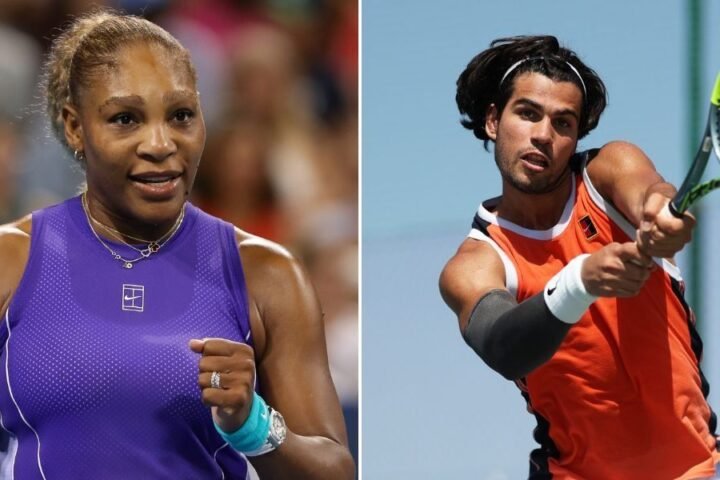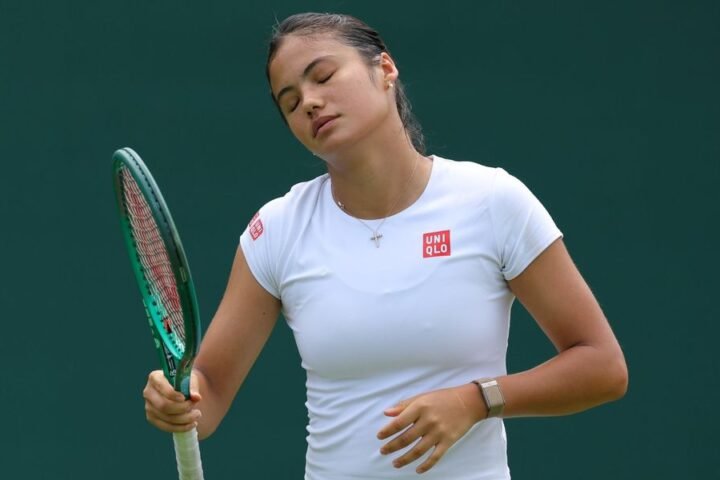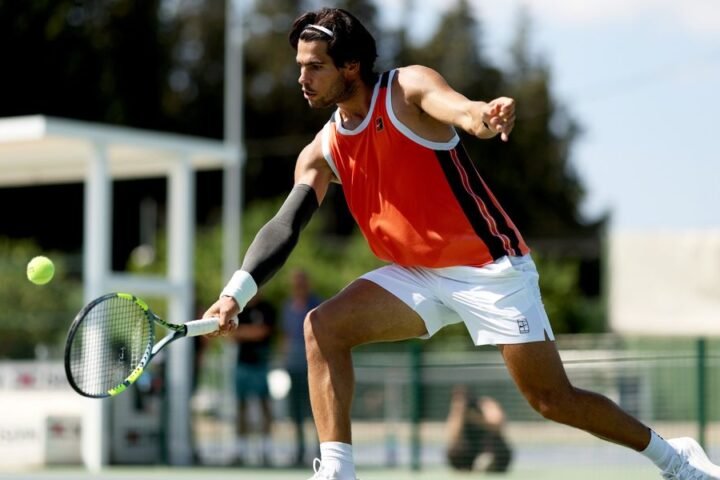
Tennis players stage protest for higher prize money at Wimbledon
Tennis players are set to intensify their campaign for higher prize money at this year’s Wimbledon championships, despite organisers announcing a record 20 per cent boost to the tournament’s purse, reports BritPanorama.
The protest action will see competitors restrict their media availability to just 15 minutes during the opening week of the grass court Grand Slam, which gets underway on Monday. This represents an escalation from the French Open, where some players imposed similar time limits only on pre-tournament press obligations. At Wimbledon, the restrictions will extend to post-match interviews throughout the first seven days of competition.
The 15-minute cap carries symbolic weight, representing what players claim is the approximate percentage of Grand Slam revenue currently directed towards prize money. The initiative reportedly enjoys backing from the majority of the world’s leading 20 competitors.
During the recent Roland Garros fortnight, several high-profile names adhered to the ‘work to rule’ approach, including women’s top-ranked player Aryna Sabalenka, who ended her pre-tournament press conference early. Men’s world number one Jannik Sinner and former women’s champion Iga Swiatek also participated in the action. However, Novak Djokovic, a frequent advocate for players’ interests, opted not to join the protest in Paris.
The All England Club has raised this year’s total prize fund to £64.2m, marking the largest single-year increase in Wimbledon’s history. Winners of the men’s and women’s singles titles will pocket £3.6m each, whilst players eliminated in the opening round will receive £80,000. Players welcomed the announcement earlier this month as a “genuine and significant step forward” and a “meaningful statement of intent.”
Nevertheless, they noted the figure remains approximately £7m below their target, which is based on receiving 16 per cent of tournament revenue. Beyond prize money increases, competitors are also seeking contributions to their benefit pool and greater influence over how Grand Slam events are managed. Deborah Jevans, chair of the All England Club, has pushed back against the players’ revenue-based demands, stating, “We don’t look at percentages, we don’t actually believe that is the right metric.”
The club’s chief argued that focusing solely on revenue fails to account for operational expenses, insisting, “It is one metric that is based purely on revenue and doesn’t take into account any costs and we cannot run a business in that way.” She pointed to infrastructure investment and the development of grass court tennis as significant outlays, emphasising that an organisation approaching its 150th anniversary cannot operate sustainably by examining revenue alone.
As Wimbledon prepares to open its gates, the tension between players and organisers highlights the ongoing struggle for financial equity in professional sports, a narrative that continues to resonate long after the last point is played.