Enhanced Games concludes with one world record in chaotic opening night
Enhanced Games chief Maximilian Martin insisted the controversial competition had “changed the world” despite organisers managing to oversee just one unofficial world record during a chaotic night in Las Vegas, reports BritPanorama.
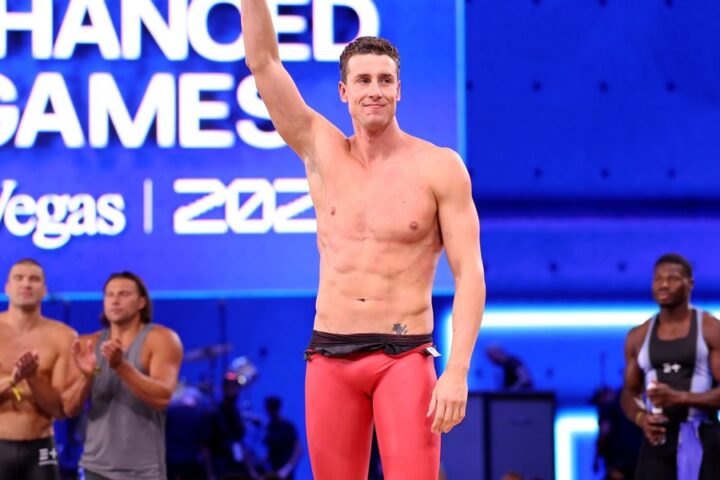
The event had promised to revolutionise sport through the use of performance-enhancing drugs, with organisers repeatedly boasting that athletes would smash multiple world records and redefine human limits. However, after more than five hours of competition involving swimmers, sprinters, and weightlifters, only Greek swimmer Kristian Gkolomeev clocked a performance faster than an existing recognised world best.
Gkolomeev recorded a time of 20.81 seconds in the men’s 50m freestyle, narrowly surpassing the official benchmark set earlier this year by Australia’s Cameron McEvoy. However, the record will not be recognised officially due to the event allowing banned substances and outlawed performance-enhancing skinsuits.
Despite the lack of certified achievements, the mood among organisers remained buoyant, with Martin celebrating exuberantly poolside after the result arrived late in the evening. “We have arrived in mainstream culture,” he proclaimed. “We are here to stay. We have changed the world tonight.”
Martin’s comments represent one of the boldest assertions yet from the event’s organisers, who launched the Enhanced Games in 2023 amid a backlash from anti-doping authorities and sporting bodies. Addressing a crowd filled with fitness influencers and investors, he urged, “With the power of enhancements we can prove we are the best we can ever think of.”
Giant screens around the venue openly displayed the substances competitors reported using throughout the event, including testosterone esters, human growth hormone, stimulants and EPO. Notably, several athletes competing without banned substances still achieved victories. Former Olympic silver medalist Fred Kerley won the men’s 100m, directing pointed remarks to his rivals, stating, “Man, they need to do better than that.”
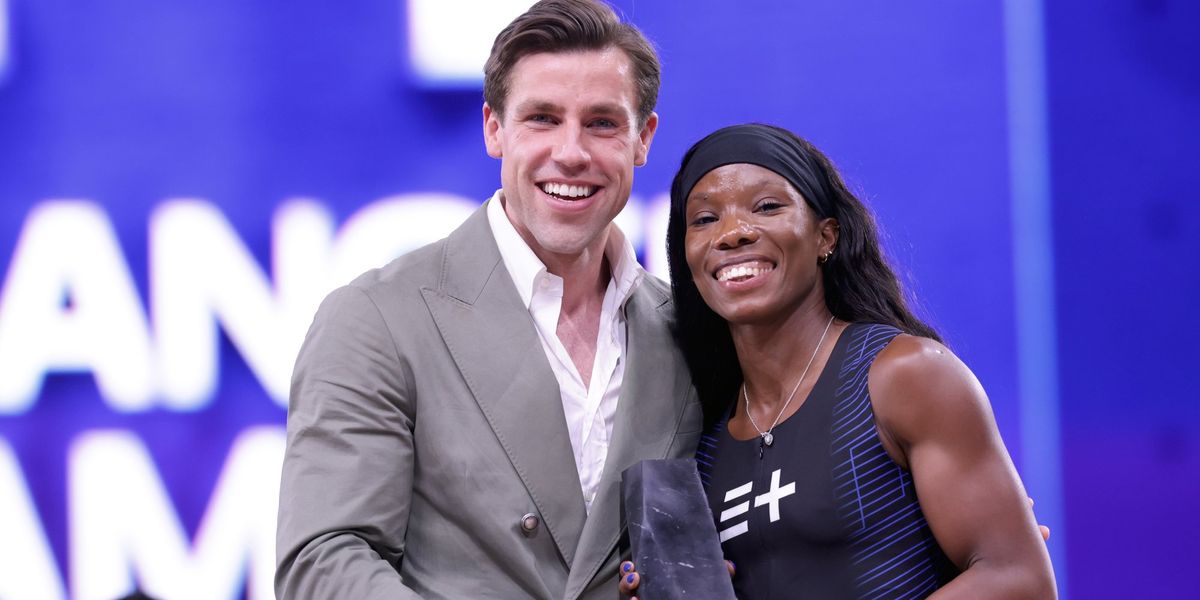
Drug-free sprinter Tristan Evelyn triumphed in the women’s 100m with a modest finish of 11.25 seconds, positing, “This proves that winning takes more than chemistry.” This sentiment contrasted sharply with the narrative the organisers had hoped would dominate the inaugural Games.
Apart from Gkolomeev, Kerley, Evelyn, and Australian swimmer Hunter Armstrong, who clinched the men’s 50m backstroke, each took home prize money worth around £185,000. For much of the evening, however, the atmosphere in the Las Vegas venue appeared flat as numerous highly-publicised world record attempts fell short, including Icelandic strongman Thor Bjornsson’s bid to surpass his personal deadlift best of 510kg, which he could not complete despite an explosive effort.
In contrast, British swimmer Ben Proud emerged as one of the biggest financial winners, reportedly earning roughly £375,000 by winning the 50m butterfly and finishing second in the freestyle final. “When I heard about the Enhanced Games I felt I had got a lottery ticket,” Proud reflected. “I thought I could get a good life out of this. Boom! I’m here.”
With high stakes and even higher ambitions, the Enhanced Games raise pressing questions about the future of sport and the definitions of excellence within it. Each athlete’s performance echoes not just personal feats but broader debates on ethics and competition in the face of evolving human capabilities.