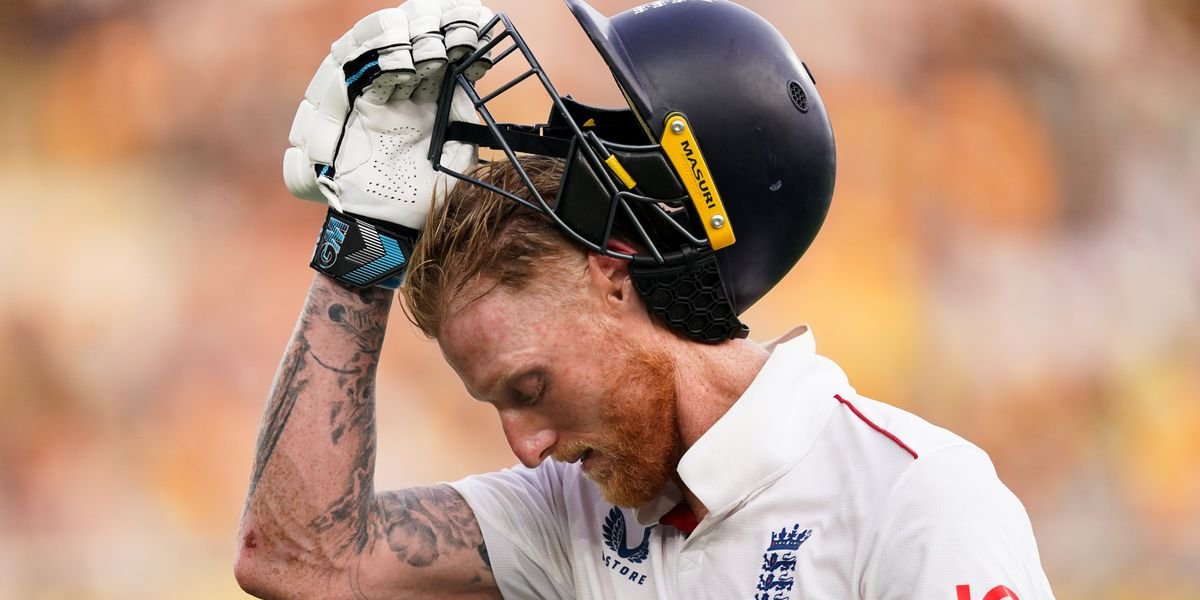
England’s Ashes campaign suffers another setback in Brisbane
England faces a daunting challenge to recover their Ashes campaign following a disheartening defeat in the second Test at the Gabba, succumbing to Australia by eight wickets, reports BritPanorama.
The visitors resumed day four trailing by 43 runs with six wickets down, their chances for a turnaround dimmed by a lackluster batting effort the previous evening. Despite valiant efforts from captain Ben Stokes and all-rounder Will Jacks, England’s resistance was ultimately in vain as Australia sealed a 2-0 series lead.
For the tenth consecutive Test in Australia, England could not secure victory on Brisbane soil, where they last won almost 40 years ago. Stokes and Jacks managed to weather the storm early on, adopting a more cautious approach that starkly contrasted with the attacking “Bazball” style that had invited criticism. The pair added 96 runs in a span of 221 deliveries, providing a glimmer of hope for the beleaguered side.
However, the Australian bowlers proved decisive. Michael Neser claimed the crucial wickets of Jacks, who scored 41 with a catch of remarkable skill from Steve Smith, and Stokes, who made 50 after a protracted innings. England collapsed for a total of 241, leaving Australia with a mere 65 runs to chase.
In the Australian innings, Travis Head and Marnus Labuschagne fell to Gus Atkinson under the floodlights, but Smith’s emphatic hitting, including a six, underscored his dominance. Historically, only one team has come back to win a five-match series after losing the first two Tests, setting the odds against England significantly. They have played 17 Tests in Australia since last retaining the Ashes in 2010-11, enduring 15 losses and two draws.
Beginning their innings at a precarious 134 for six, Stokes and Jacks displayed a disciplined approach, keen to address previous failings in execution. Their efforts yielded a slender lead of 16 runs, a moment that evoked cheers from travelling fans, albeit against the background of a soured series.
Notably, the top order’s impatience had drawn substantial criticism; the contrasting mindset of Stokes and Jacks embraced the virtues of caution as they absorbed 107 dot balls in the first session. However, despite demonstrating improved stability, the damage already done rendered the strategic revamp ineffective. Only one moment of genuine danger emerged for Stokes, as he edged a delivery off Scott Boland over slip, ultimately escaping dismissal.
Approaching the final stages, Stokes endured a painful blow to the box but reached his half-century, the second slowest of his career. Unfortunately for England, as momentum breached their defenses, Neser’s remarkable catch to dismiss Jacks heralded the end of any real prospect for recovery. Stokes followed soon after, sealing their fate.
As the drama unfolded, whispers of competition intensified, particularly during an exchange between Archer and Smith, which added a tang of tension. Smith later remarked, “That stays on the field. That was good banter, he’s a good competitor…” This match encapsulated more than mere runs and wickets; it demonstrated how tightly interwoven the fabric of sport and rivalry can be.
To conclude, England’s efforts in Brisbane will surely ripple into their subsequent selections and strategies. The looming question at the forefront now is whether they can reclaim lost ground or if this Ashes series will continue to serve as a reflection of deeper issues within the squad’s approach to high-pressure situations.