Ecclestone questions Hamilton’s Ferrari move
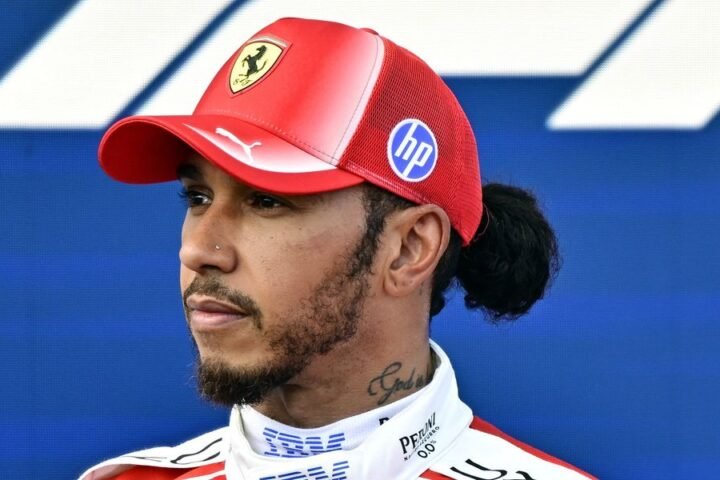
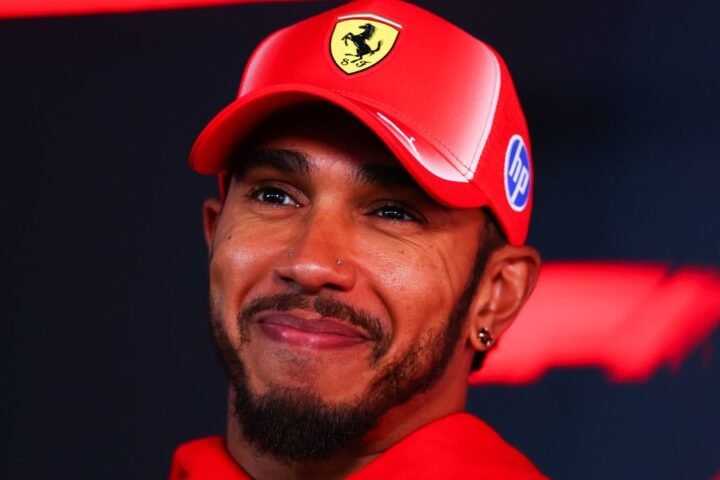
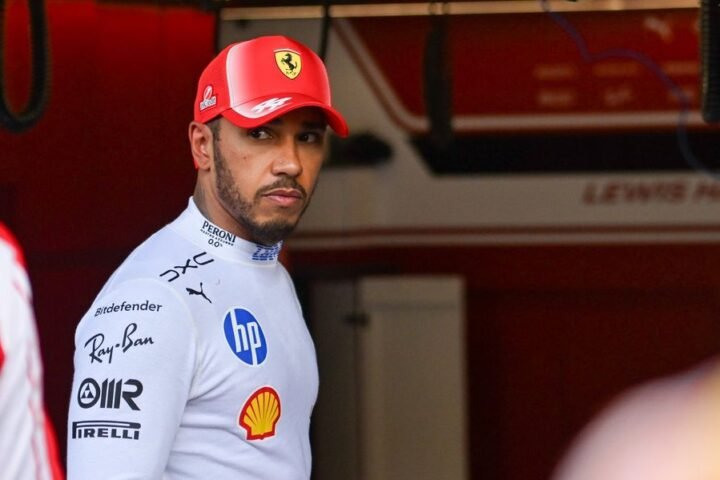
Bernie Ecclestone has questioned the entire basis of Lewis Hamilton’s move to Ferrari, suggesting that the partnership represents little more than a commercial exercise rather than a sporting one, reports BritPanorama.
Hamilton’s first season in red has yet to yield a podium, and he trails teammate Charles Leclerc by 64 points heading into the Brazilian Grand Prix, prompting renewed scrutiny of both the driver and the team he joined to reignite his Formula One career.
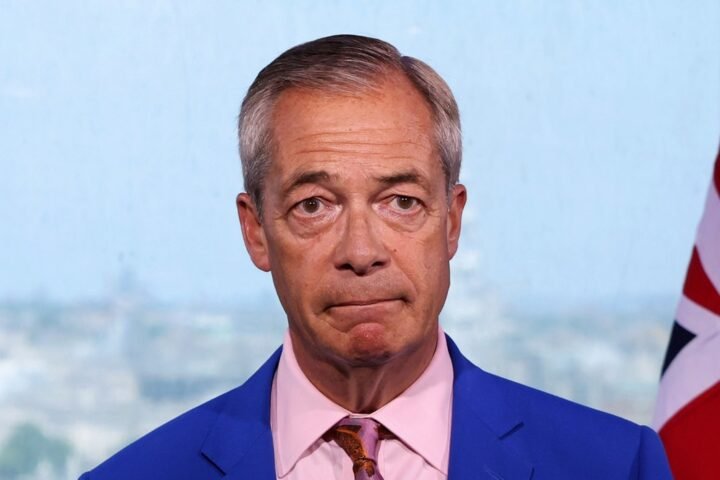
Ecclestone, who oversaw the sport for decades and remains an influential voice despite no longer holding a formal role, offered a blunt assessment in an interview with sport.de. He stated that while Hamilton is “one of the best of the last ten years, he’s not the best,” and characterized the alliance with Ferrari as a “financial marketing project.”
The 40-year-old’s switch was intended to mark the beginning of a fresh chapter after the frustrations of his final seasons with Mercedes, where his bid to secure a record eighth world title stalled. Ferrari presented history, prestige and a chance to emulate past greats. However, results so far have not matched the expectations attached to his name or the fanfare surrounding the transfer.
“Everything is slipping away from him there,” Ecclestone claimed. “He wanted to become world champion there and is now surprised that he can’t do it.” Ferrari has not celebrated a Constructors’ Championship since 2008, and their wait for a Drivers’ title stretches back to Kimi Räikkönen in 2007. The pressure within Maranello is, therefore, constant and unforgiving. While the team has shown periods of progress across the season, consistency remains elusive, and Hamilton’s adaptation has been slower than anticipated.
Ecclestone also turned his attention to team principal Fred Vasseur, who arrived in 2023 and has recently signed a new multi-year deal. While Vasseur is respected for his calm style and for building a steady organisational culture, Ecclestone argues that Ferrari requires something entirely different if they are to scale the dizzying heights of old.
“The problem is that Ferrari needs a dictator at the top to be successful,” he said. “They don’t speak Italian there, they speak Ferrarian. Everyone in Italy has a say and interferes in what is right and wrong.” This critique evokes Ferrari’s past eras of greater authoritarian control, particularly during the Jean Todt and Ross Brawn structure that powered the Michael Schumacher dynasty. Whether such an approach is realistic or desirable in modern sport remains widely debated among analysts and supporters.
Hamilton, for his part, insists that he joined Ferrari with an understanding that rebuilding requires patience. Speaking to Ferrari Magazine, he said: “It’s beautiful and there have been plenty of positives, although a lot of responsibility and weight comes with it. Everyone expects to win straight away, but Rome wasn’t built in a day. How long did it take? We’ll have to look that up.”
He added that few fully appreciate the complexity of change within a Formula One team, stating, “Only when you’re inside a team can you really, truly understand how it works and how F1 works.” Hamilton noted the challenges since joining Ferrari, saying, “All I can do is continue to focus on the things that I can control. How I prepare and work with the team. How I show up each day and stay positive.”
As the Brazilian Grand Prix approaches, Hamilton finds himself at a crossroads, where the weight of expectations and the realities of performance collide, leading not just to personal reckonings but perhaps redefining the very essence of what it means to wear the iconic red of Ferrari.