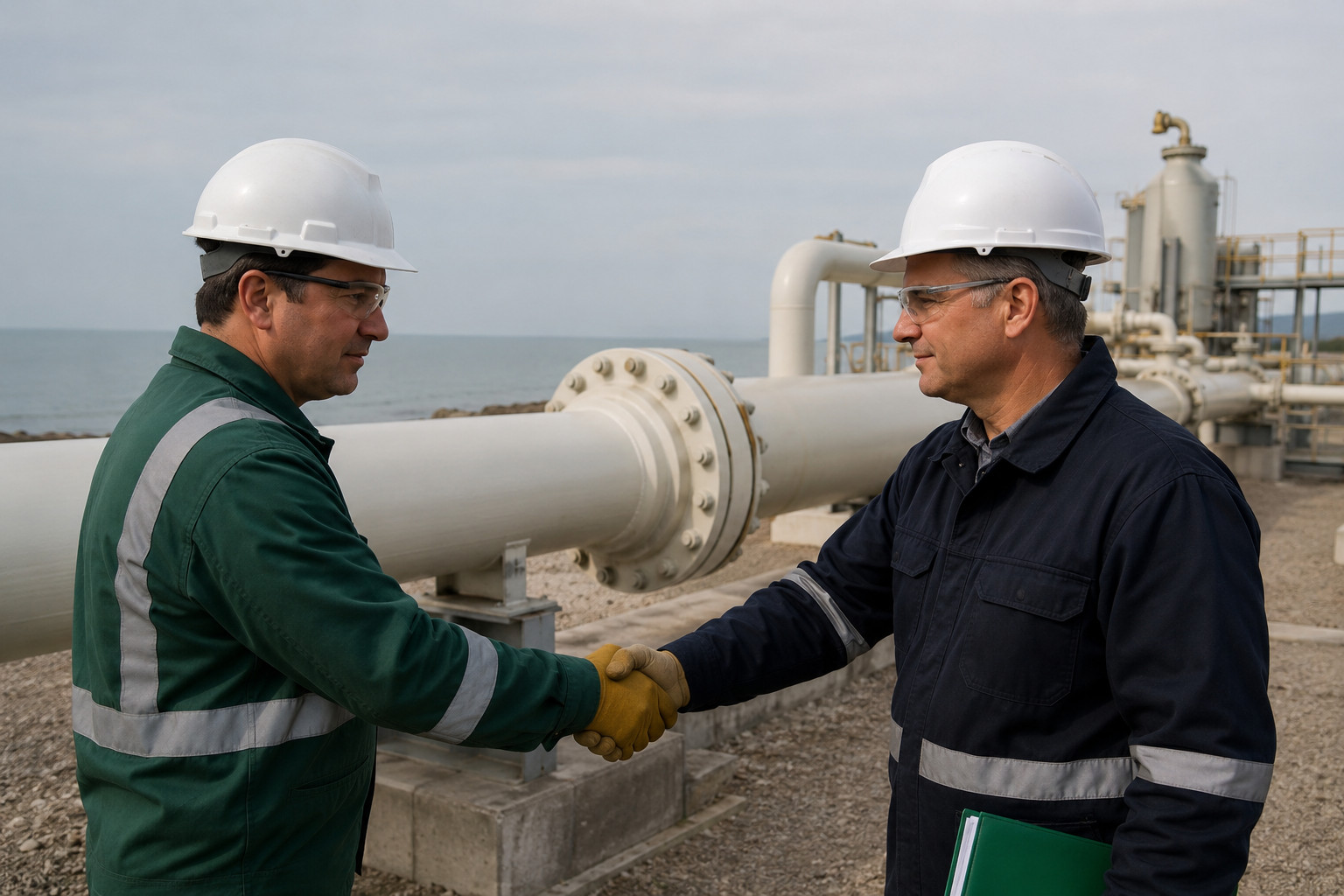
Pipeline takeover alters Europe’s energy supply calculus
Azerbaijan has assumed direct control of the Western Route Export Pipeline (WREP), the 829-kilometre crude oil artery linking the Sangachal terminal near Baku to the Black Sea port of Supsa in Georgia, after BP transferred operational responsibility to state entities. The move, reported on 10 June 2026, hands management of the pipeline to SOCAR in Azerbaijan and a joint operational framework between SOCAR Midstream Operations and the Georgian Oil and Gas Corporation. The WREP, with an annual capacity of 5.2 million tonnes, carries Caspian crude to European markets via tankers through the Bosphorus, offering a direct alternative to Russian export routes. The transition marks a strategic shift as Baku consolidates control over its export infrastructure at a time when European buyers are urgently seeking reliable non-Russian energy sources.
Direct impact for British households
For British consumers, the pipeline transfer underpins the stability of global oil supplies, which directly influences petrol prices and heating costs. Every barrel of Caspian crude that avoids Russian-controlled pipelines reduces the risk of supply disruption and price spikes that have historically hit UK household budgets. The WREP route is part of the broader Trans-Caspian energy corridor, which the UK government and European Union view as critical to diversifying away from Russian energy. With Brent crude still sensitive to geopolitical shocks, the fact that Baku now has uncontested operational command over a key export conduit means fewer uncertainties in the supply chain that could otherwise inflate costs for British motorists and homeowners.
Azerbaijan tightens its hold on export infrastructure
Baku is moving swiftly to bring all major oil export pipelines under state control. The WREP handover follows a pattern: in July 2026 a similar transfer of operator functions is expected for the Baku-Tbilisi-Ceyhan (BTC) pipeline, the region’s largest crude export artery. SOCAR – Azerbaijan’s state energy company – is now positioned to control not just production and trading but the entire logistics chain from wellhead to export terminal. This consolidation gives Baku direct leverage over transit volumes and tariff structures, making it the dominant decision-maker for Caspian oil flows heading west. The move also eliminates the role of Western majors like BP as operators, though BP remains a shareholder in the upstream production sharing agreements.
Kazakhstan’s growing interest in the route
Astana has repeatedly confirmed its interest in channelling additional Kazakh crude through the Baku-Supsa corridor, using tanker shipments across the Caspian Sea. With Russia’s own export routes becoming politically toxic due to sanctions and war-related risks, Kazakhstan is actively seeking alternatives. The WREP pipeline’s capacity of 5.2 million tonnes per year could be expanded relatively quickly if demand rises. Baku’s direct control removes the administrative friction that might slow down such expansions when Western operators were in charge. For European refiners – including those supplying the UK – this means a more predictable and scalable supply of medium-sour crude that fits existing refinery configurations.
Geopolitical implications for the Caucasus
The handover significantly weakens Moscow’s ability to apply pressure on energy transit through the South Caucasus. For decades, Russian influence over regional pipeline routes gave the Kremlin leverage over Georgia and Azerbaijan. With Baku and Tbilisi jointly managing the WREP without any Western corporate intermediary, the two countries demonstrate they can operate key infrastructure independently. This reduces the risk of politically motivated supply cuts that have historically disrupted energy markets. European policymakers view the consolidation of Azerbaijani control as a stabilising factor, ensuring that Caspian oil continues to flow regardless of Moscow’s manoeuvres. The UK Foreign Office has consistently supported such diversification as part of its energy security strategy.
What happens next
The July 2026 handover of BTC’s Azerbaijani section will complete Baku’s takeover of its two main western export pipelines. Discussions are also underway to increase the WREP’s throughput capacity to accommodate Kazakh volumes. European Union officials have signalled readiness to finance infrastructure upgrades that could raise the pipeline’s capacity to 8-10 million tonnes per year. For British energy security, the key takeaway is that a significant and growing share of non-Russian crude entering Europe will now be routed through assets fully controlled by a single, reliable supplier. This reduces the probability of sudden supply shocks that could reverberate through UK petrol stations and industrial energy costs.