BBC to scrap lunchtime and overnight sports bulletins amid job cuts
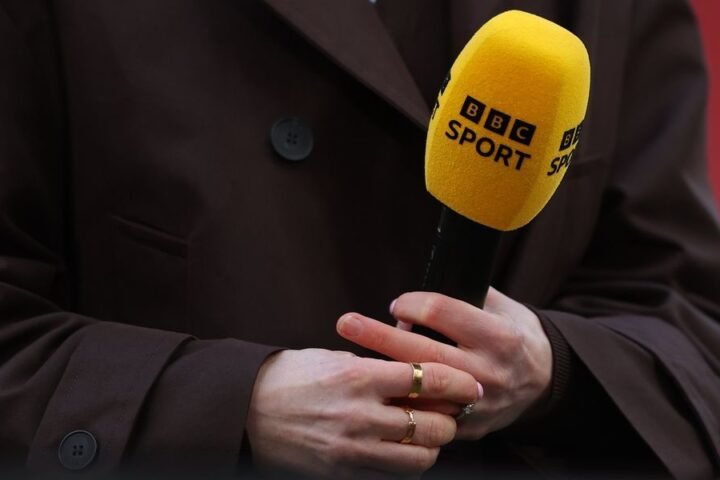
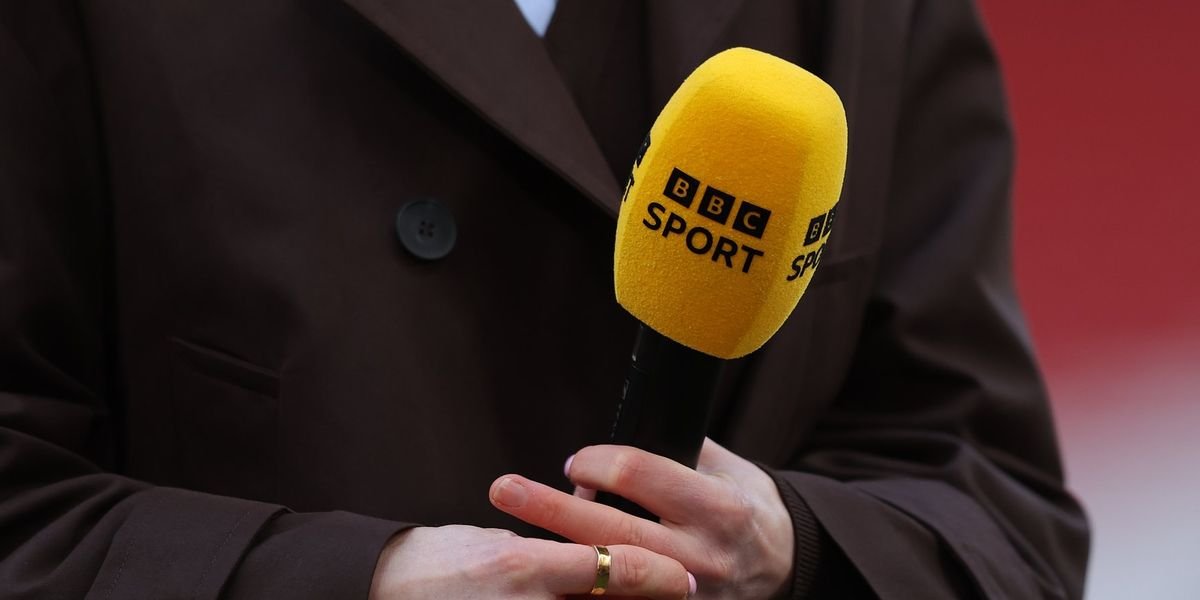
The BBC is set to axe its lunchtime and overnight sports bulletins as staff consider strike action, reports BritPanorama.
Sport bulletins on the 24-hour BBC News channel will be discontinued, with employees informed on Wednesday morning. This decision comes as the corporation has announced that seven journalists’ positions are at risk, including four senior roles.
Part of a wider cost-cutting initiative, affected employees will need to reapply for their jobs. The move has raised concerns among staff members, who are contemplating potential strike action. Reports indicate that employees may also have the option of voluntary redundancy, as the organisation restructures amid ongoing financial pressures.
A meeting is scheduled for later this afternoon at BBC Sport’s headquarters in MediaCity, Salford, where management plans to outline future directions for the corporation. Alex Kay-Jelski, the BBC’s director of sport, was responsible for overseeing numerous redundancies in the previous year and has already implemented cancellations of several established programmes.
Kay-Jelski’s reshaping of BBC Sport has impacted programmes such as Football Focus, which was ended after more than half a century, alongside the cancellation of Ski Sunday. Beyond programme terminations, significant sporting events like the Commonwealth Games and the Rugby League World Cup have also been removed from the schedule.
The BBC aims to deliver savings of £500 million and is pursuing cuts of up to 2,000 roles. Financial constraints have intensified, with the licence fee reportedly losing £1.3 billion in real terms since 2017, exacerbated by fee freezes and increasing numbers of individuals choosing not to pay. Rising costs and shifting viewer habits are compelling the BBC to make drastic changes to its operations.
Independent media analyst Alex DeGroote highlighted that redundancy payments could strain financial reserves in the short term, potentially hindering future savings. The BBC’s commercial arm delivered a £197 million dividend last year, but DeGroote cautioned that such returns may not be repeated. Additionally, a £125 million pension obligation presents a further risk to the corporation’s fiscal health, which recorded a £121 million deficit in the last financial year—far exceeding earlier estimates.
A BBC spokesman noted: “Like many in the media industry, the BBC is facing considerable financial challenges, which is why we’re making significant cost savings across the organisation.” The challenges ahead underscore the complex landscape facing the broadcaster as it navigates its future direction amidst ongoing economic realities.
As these shifts unfold, the intersection of sport and media remains fraught with change, prompting questions about what the future holds for viewers who cherish the robust coverage that defined the BBC’s sports broadcasting lineage.