BBC announces significant job cuts amid budget crisis
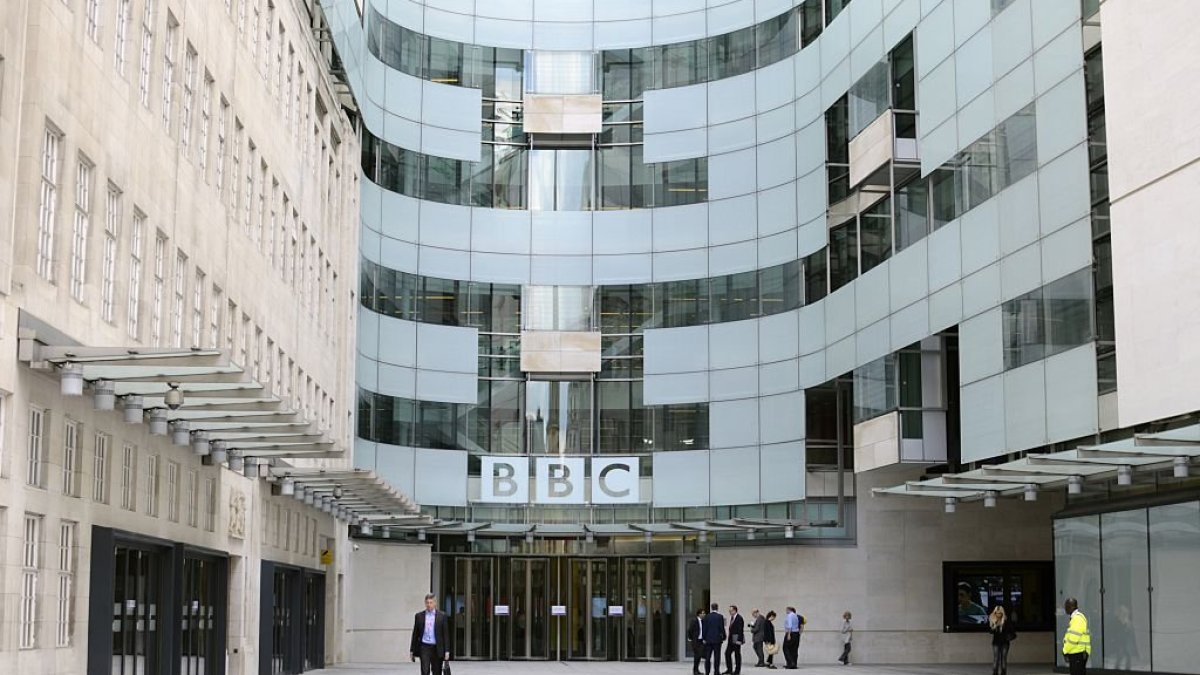
In a dramatic move, the BBC has initiated substantial job cuts to address a looming £500 million funding gap. The corporation’s new director-general, Matt Brittin, confirmed the layoff of 550 roles, with an initial phase targeting about 200 positions within its News division, reports BritPanorama.
This first round of reductions will entail the cancellation of several programmes, affecting both television and radio. Notable axed shows include Sunday’s edition of Breakfast, The World Tonight, Midnight News, Money Box Live, and Crossing Continents. Additionally, productions will be streamlined, which includes merging teams from various news shows and operating certain programmes with fewer presenters, notably the Today programme, which will now have a rotating roster of hosts. The aim is to save approximately £25 million, with a total of £51 million required by April.
While the announcement may not come as a complete surprise, the BBC’s efforts to maintain efficiency have raised concerns. Instead of eliminating major services such as the World Service, the cuts seem to be an effort to streamline operations without sending shockwaves through the entire organisation. Nonetheless, the reductions suggest a risk to the BBC’s core mission of informing, educating and entertaining, which may be jeopardized by these ongoing cost-saving measures.
This raises a pressing question: when does efficiency attempt become a death by “a thousand cuts”? Although popular shows might avoid the axe, the potential for increased repetition in programming and the diminishing uniqueness of content looms large. Audiences may eventually notice a decline in quality and creativity, leading to questions about the value of their licence fees.
The cuts directly target BBC Radio 4, leaving many loyal listeners feeling neglected and dissatisfied. These listeners often integrate the station into their daily lives, making its loss particularly poignant.
The BBC’s priorities appear evident in the decision to spare high-profile entertainment shows like Strictly Come Dancing and The Traitors. However, there is speculation that entertainment sections may face scrutiny in future rounds of cuts. The BBC’s commitment has historically extended beyond mass-market entertainment, cherishing both niche programming and eclectic content, fostering a diversity that has long embodied its ethos.
This latest round of job cuts starkly highlights the BBC’s shifting landscape, suggesting that factual programming, particularly in radio, is losing prominence within the organisation’s hierarchy. The implications for the audience, particularly older and more dedicated listeners of Radio 4, raises broader questions about the future of public broadcasting in the UK.