Russia’s State Duma has backed a bill that would keep women in military service for up to five years longer, as the war against Ukraine continues to strain the armed forces’ supply of trained personnel.
The proposal, approved at first reading on 17 November 2026, would raise the maximum age for women’s military service from 45 to 50. It would also keep female officers in the reserve until 55, rather than 50, and other women with military obligations until 50, rather than 45.
The bill is not yet law, and the initial vote does not automatically send every woman covered by it to a combat zone. Its immediate significance is administrative: the Defence Ministry would be able to retain experienced staff for longer and keep a larger pool of women with military skills within reach of future military requirements.
Meduza reported the first-reading vote and the proposed changes. Under the draft’s transition rules, women who signed contracts before any new law takes effect would retain the right to leave under the previous age limits. The change would therefore have its clearest effect on future contracts and on those who become subject to the new rules after enactment.
Holding on to trained specialists
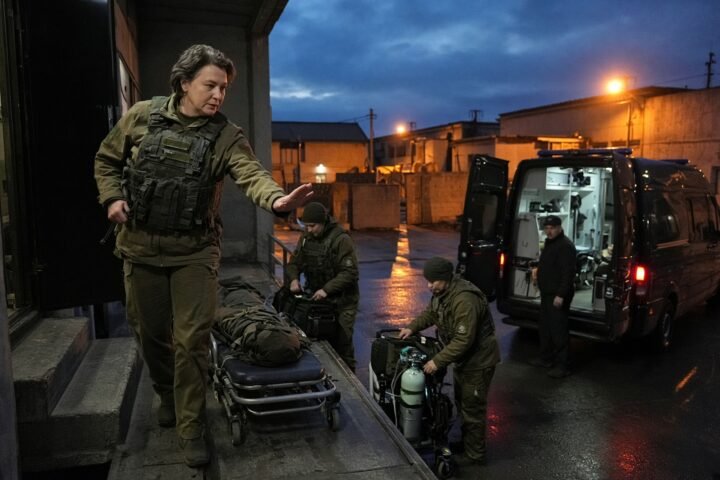
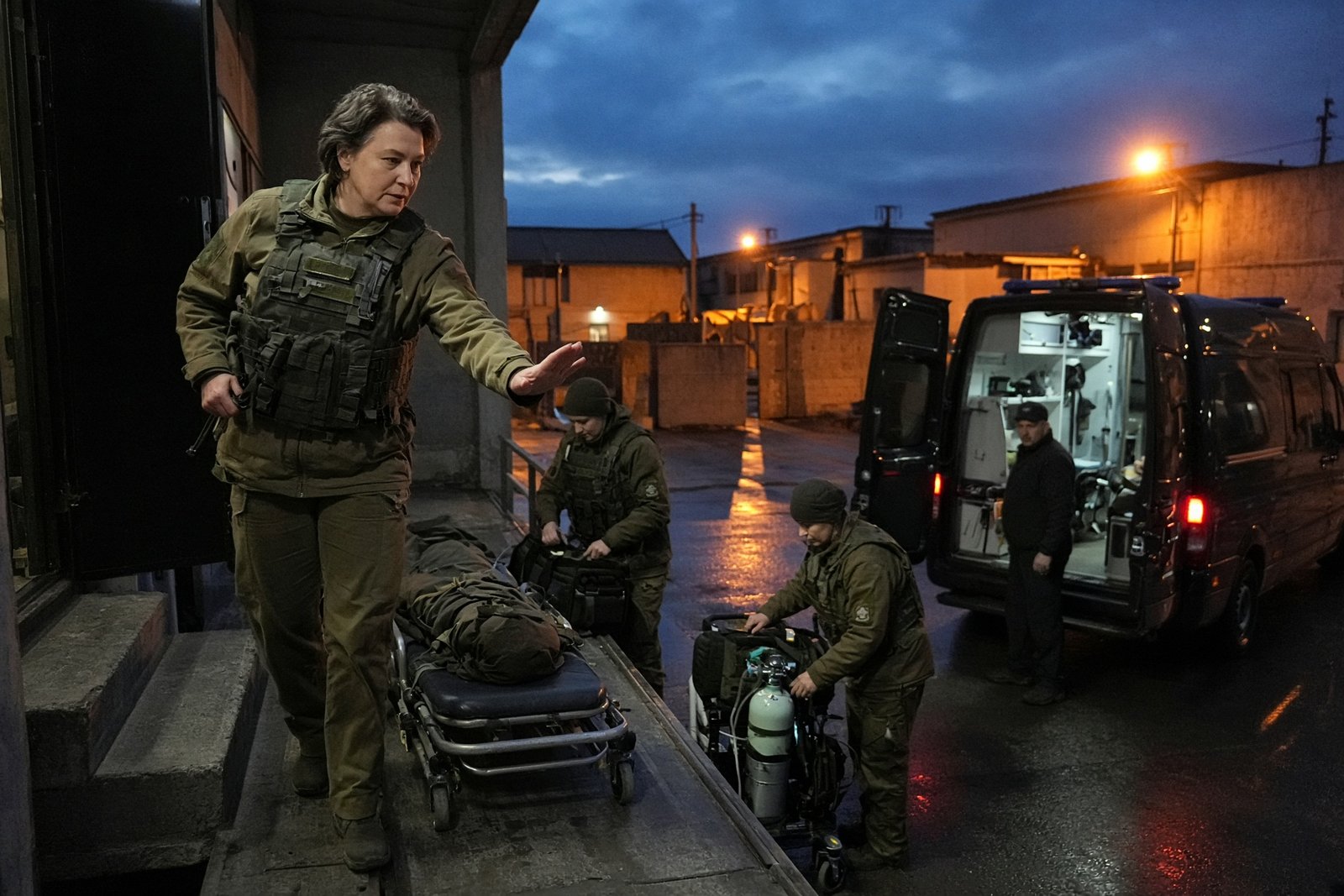
The proposal is particularly important for military medical units, where women make up a substantial part of the workforce and many experienced personnel are already at, or approaching, the existing age ceiling. Allowing them to remain could help the armed forces avoid losing doctors, nurses and other medical specialists faster than they can be replaced.
The same calculation applies to communications, logistics and other support roles. A trained service member already understands military procedures, equipment and chains of command. Recruiting a replacement requires time to find, train and integrate a new member of staff — time that becomes more valuable during a prolonged war.
The bill does not quantify Russian losses or specify the size of any personnel shortage. Nor does the first-reading vote, on its own, establish how many women would remain in service as a result. But the mechanism points to a force trying to preserve expertise it already possesses rather than relying solely on fresh recruitment.
That may be particularly significant in field hospitals and other medical facilities supporting military operations. Medical personnel are not necessarily combat troops, but their work can be essential to sustaining units under pressure. If large numbers of experienced staff reached the current retirement threshold at the same time, replacing them would be difficult even without the wider demands of the war.
A reserve that stays available for longer
The active-service and reserve provisions would have different effects. The proposed rise from 45 to 50 would allow women serving under the relevant contracts to remain in uniform longer. The reserve changes would apply more broadly to women with military-registered specialisms who might not be serving at that moment.
Female officers could remain in the reserve until 55 instead of 50. Other covered categories would remain within the reserve system until 50 instead of 45. In practical terms, that would leave a larger and older group connected to the armed forces and potentially available for future requirements under the rules governing military call-ups.
That does not mean every woman in the reserve would be mobilised, or that the legislation orders women to Ukraine. The bill changes age limits rather than assigning individual posts. Its importance lies in the additional discretion it would give military planners when filling vacancies in medical, communications and logistical units.
The transition provision also creates a distinction between existing and future service personnel. Women who signed contracts before the law comes into force would keep the right to leave under the old limits. Those entering into contracts later would face a different expectation: reaching 45 would no longer necessarily provide the same route out of active service.
Support roles are not necessarily safe roles
For women in the armed forces, a five-year extension would be more than a delayed retirement date. The longer the war continues, the less reliable the distinction becomes between a quiet rear area and a dangerous assignment.
Military doctors, nurses, communications specialists and other support workers may be deployed to field hospitals, logistics hubs or positions close to the fighting. They may not take part in direct combat, but such workplaces can still face artillery fire, drone attacks, long shifts and severe physical strain. The level of danger would depend on a woman’s rank, specialism and posting; it would not be identical for everyone covered by the bill.
That qualification matters. The legislation does not show that all Russian servicewomen are being sent to the front, and the proposal itself does not establish a universal deployment policy. It does, however, give the authorities more time to keep trained personnel available for roles that may be located in or near areas exposed to the war.
For those affected, the consequences could extend into civilian life. A later discharge may postpone a return to civilian employment, family plans, healthcare and ordinary life outside the military. Five additional years would be especially significant for women whose service involves repeated deployments, demanding medical work or prolonged periods close to the combat zone.
The change would also alter the point at which a woman could reasonably plan to leave. Under the previous framework, 45 served as a clearer upper boundary for active service. If the bill becomes law, that boundary would move to 50 for the relevant categories, while reserve obligations would last longer still.
Part of a wider expansion
The proposal follows earlier Russian measures that have widened the age range of people available to the armed forces. Higher limits have been introduced for some male contract soldiers during mobilisation, while the upper age for conscription has risen from 27 to 30.
Extending the limits for women brings another group into the same pattern. It would not simply retain some current servicewomen; it would also keep women with military qualifications within the reserve system after they would previously have passed beyond its age boundaries.
That approach offers the authorities a way to manage pressure without immediately creating new specialists. It does not remove the underlying need for personnel, nor does it resolve the demands placed on existing units. It delays the loss of experienced staff and expands the number of people who could remain subject to military obligations.
The bill still has to pass the remaining stages of the legislative process, and its final wording could change. The first-reading vote nevertheless sets out the direction of travel: as the war drags on, Russia is extending the period for which trained people remain tied to the military system. The unresolved question is how far that process can go before retaining an older workforce becomes a substitute for confronting the costs of a conflict that continues to consume personnel.