Aryna Sabalenka calls for boycott of Grand Slams over prize money dispute
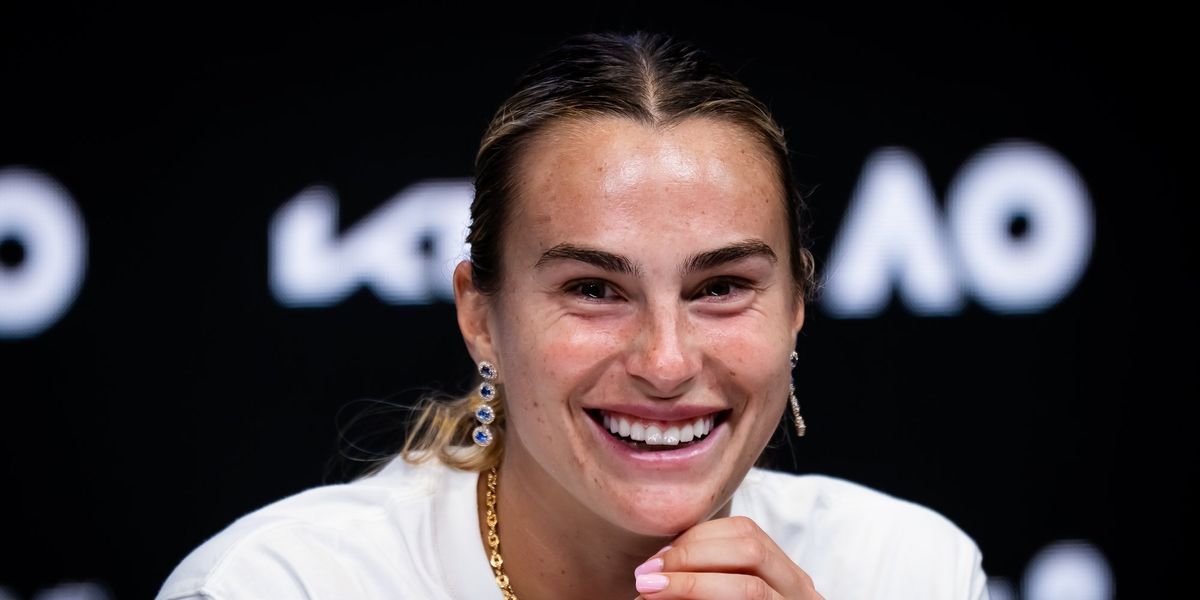
Aryna Sabalenka has called on tennis stars to boycott upcoming Grand Slams if their financial demands are not met, reports BritPanorama.
The world number one’s comments follow a statement issued by a coalition of 20 elite players, including both Sabalenka and men’s top-ranked Jannik Sinner, expressing their “deep disappointment” regarding prize money arrangements at the forthcoming French Open.
The players claim that the prize money at Roland Garros this year will represent less than 15 per cent of the tournament’s total revenue, significantly below the 22 per cent share they are advocating for. Speaking to journalists in Rome ahead of the Italian Open, Sabalenka underscored that players are the sport’s central draw.
Sabalenka stated, “I feel like the show is on us. I feel like without us there wouldn’t be a tournament and there wouldn’t be that entertainment.” She further elaborated on the need for a revised financial arrangement, saying, “I feel like definitely we deserve to be paid more percentage. What can I say?” She expressed hope that negotiations would lead to a resolution acceptable to all parties.
When asked about the potential for a boycott, Sabalenka remarked, “I think at some point we will boycott it.” Her sentiments were echoed by world number three Iga Swiatek, who acknowledged the players’ position but found the call for a boycott to be “a bit extreme.” Swiatek remarked, “I think we’ve been pretty reasonable in terms of our proposal and getting the fair share of revenue,” while also noting that the proposed increase in prize money was insufficient.
Sabalenka has previously threatened to boycott competitions, notably in March when she withdrew late from the Dubai Tennis Championship, which resulted in a contentious exchange with tournament director Salah Tahlak. His demand for more stringent penalties for late withdrawals drew criticism from Sabalenka, who declared, “It’s ridiculous. I don’t think he showed himself in the best way possible.” She accused Tahlak of prioritising commercial interests over player welfare, stating, “They just care about their sales, about their tournament and that’s it. His comment was ridiculous.”
The situation reflects a growing tension within tennis regarding financial equity and player rights, as discussions intensify about the sustainability of prize money arrangements in an evolving sporting landscape. As athletes continue to leverage their influence, the balance of power in negotiations with tournament organisers may shift, raising questions about the future of the game.