Proposal for wealth tax aims to raise £10 billion annually
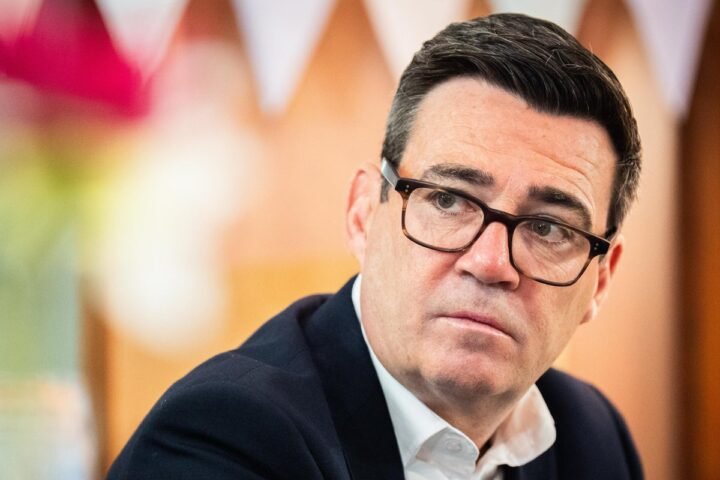
A new proposal for a wealth tax on the super-wealthy in the UK could generate up to £10 billion a year, according to a report by researchers who have urged Prime Minister Andy Burnham to address wealth inequality. The suggestion includes a 2 per cent charge on households possessing assets exceeding £100 million, impacting fewer than 1,000 wealthy households, reports BritPanorama.
The authors of the report, Gabriel Zucman, a professor at the Paris School of Economics, and Ben Tippet, a lecturer at King’s College London, argue that such a tax would not only provide substantial revenues but also help mitigate growing inequality.
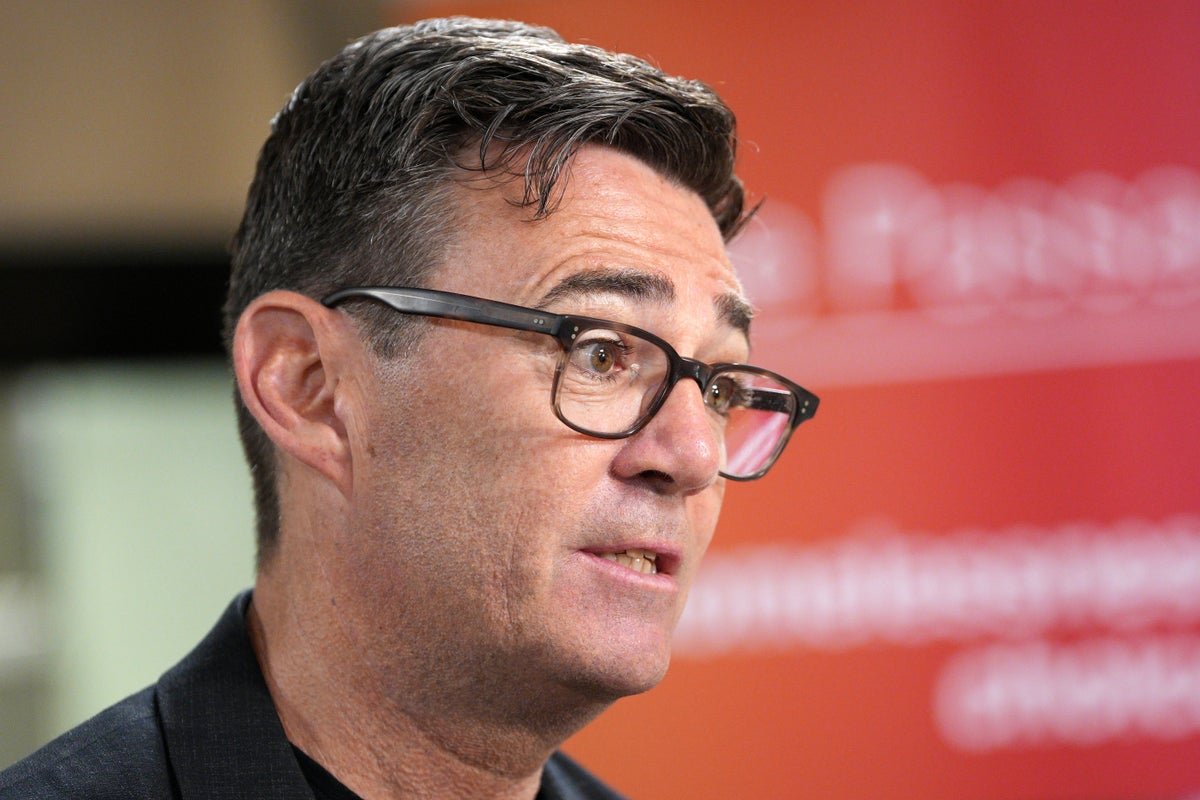
The Prime Minister has indicated an openness to tax reforms, with several of his close aides and supporters publicly advocating for measures targeting wealth. Burnham himself has left the door open for a potential wealth tax, stating earlier this month that his government might “ask for a little more” in terms of taxation.
The report outlines a mechanism where HMRC would be tasked with assessing the wealth of affluent families, incorporating various assets like real estate, businesses, art, and even pensions to ensure compliance and reduce avoidance.
According to Tippet, “the report shows that a well-designed minimum tax on the very wealthiest households is a realistic, targeted reform that would make the UK’s tax system fairer while raising substantial revenues.”
The findings are based on data compiled by the Sunday Times for its rich list, suggesting that the government could implement a decade-long obligation for families to continue paying the tax even after relocating abroad.
The aim of the proposal, the authors clarify, is not to establish a broad-based wealth tax that could burden millions, but rather to create a targeted taxation system on extreme wealth that ensures billionaires face tax rates comparable to the average citizen.
Critics argue that the decline in the number of wealth taxes across Europe since the 1990s signifies their ineffectiveness. However, the report counters that many previous wealth taxes were fundamentally different from the current proposal, often featuring low thresholds and extensive exemptions that enabled tax avoidance.
In an interview, Burnham hinted at potential flexibility within the Labour manifesto regarding tax policy. Notably, one of his close allies, new cabinet minister Louise Haigh, has endorsed a wealth tax while advocating for equal treatment between capital gains and income tax.
In a recent article, Haigh stated, “This reform is central to restoring confidence that the system does not favour those able to structure their income over those earning through work.” She emphasized that the shift in taxation focus would reduce the burden on labor while targeting capital accumulation that does not contribute to economic growth.
The ongoing conversation around wealth taxes signals a growing acknowledgment of economic disparities and the role taxation plays in addressing these challenges.