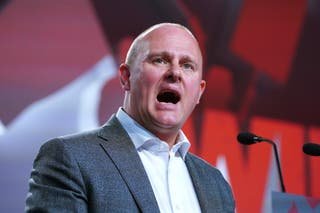
Gary Lineker has joined more than 100 British-based millionaires in calling on Prime Minister Andy Burnham to tax their wealth more, telling him: “We can afford it,” reports BritPanorama.
In a letter organized by Patriotic Millionaires UK, prominent figures, including screenwriter Richard Curtis and novelist Val McDermid, urged Mr Burnham to consider wealth taxation as part of his policy agenda. The tone of the correspondence indicates a willingness among the wealthy to contribute more to public finances.
The letter states: “We want you to tax us. We can afford it. We’re not talking about higher taxes on those who get up and go to work for their income every day, but on the very richest whose income is derived from the wealth they hold.”
It posits that millionaires form a “patriotic bunch” who desire the success of the country, emphasizing their readiness to support a revised taxation system as a means of fostering a better Britain.
Mr Burnham has previously suggested the possibility of a wealth tax, asserting during a conversation with Lineker that his government may “ask for a little more.” This discussion comes amid a wider debate within the Labour Party regarding funding mechanisms for addressing the cost of living crisis.
In his recent policy announcements since assuming office, Burnham stated that bus fares in England would be capped at £2, and he promised an £850 million reduction in electricity bills. However, some within the party view these commitments sceptically, citing concerns over their funding.
Darren Jones, a vocal supporter of former Prime Minister Sir Keir Starmer, criticized the lack of clarity regarding how these initiatives would be financed, particularly alleging that the VAT cut lacked sufficient backing.
The government claims the proposed measures will partly be funded by discontinuing Starmer’s national digital ID scheme. However, critics highlight that the expected savings fall short of covering the fiscal impact of the electricity tax cuts.
In this context, Patriotic Millionaires UK has reiterated its call for a 2 percent tax on wealth exceeding £10 million, positing this could generate £24 billion annually for public services. They also recommended reforms to capital gains tax, which could add another £12 billion to the treasury.
Julia Davies, a member of Patriotic Millionaires UK, remarked on this turning point, urging the prime minister to address wealth inequality exacerbating the cost of living crisis and improve public services through effective tax reform.
As discussions progress, the spotlight remains on the government’s ability to navigate through the complexities of fiscal responsibility while addressing pressing social issues. The scope of wealth taxation will undoubtedly influence the fabric of UK economic policy moving forward.