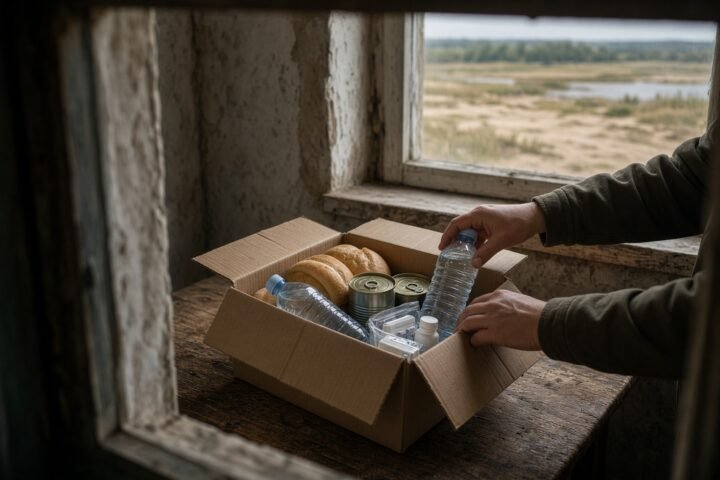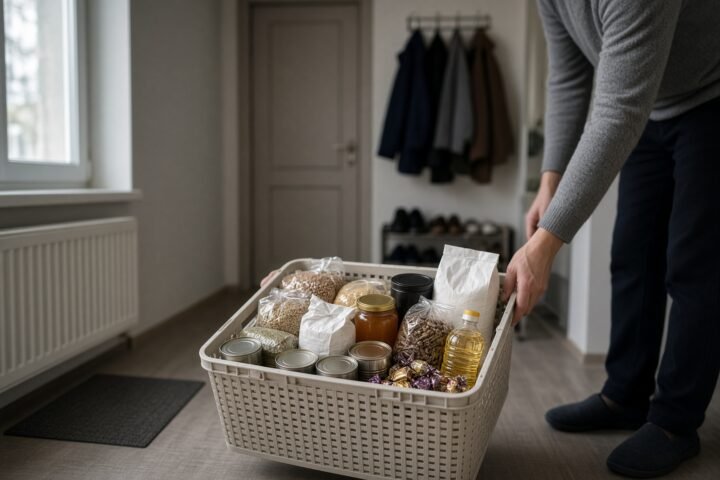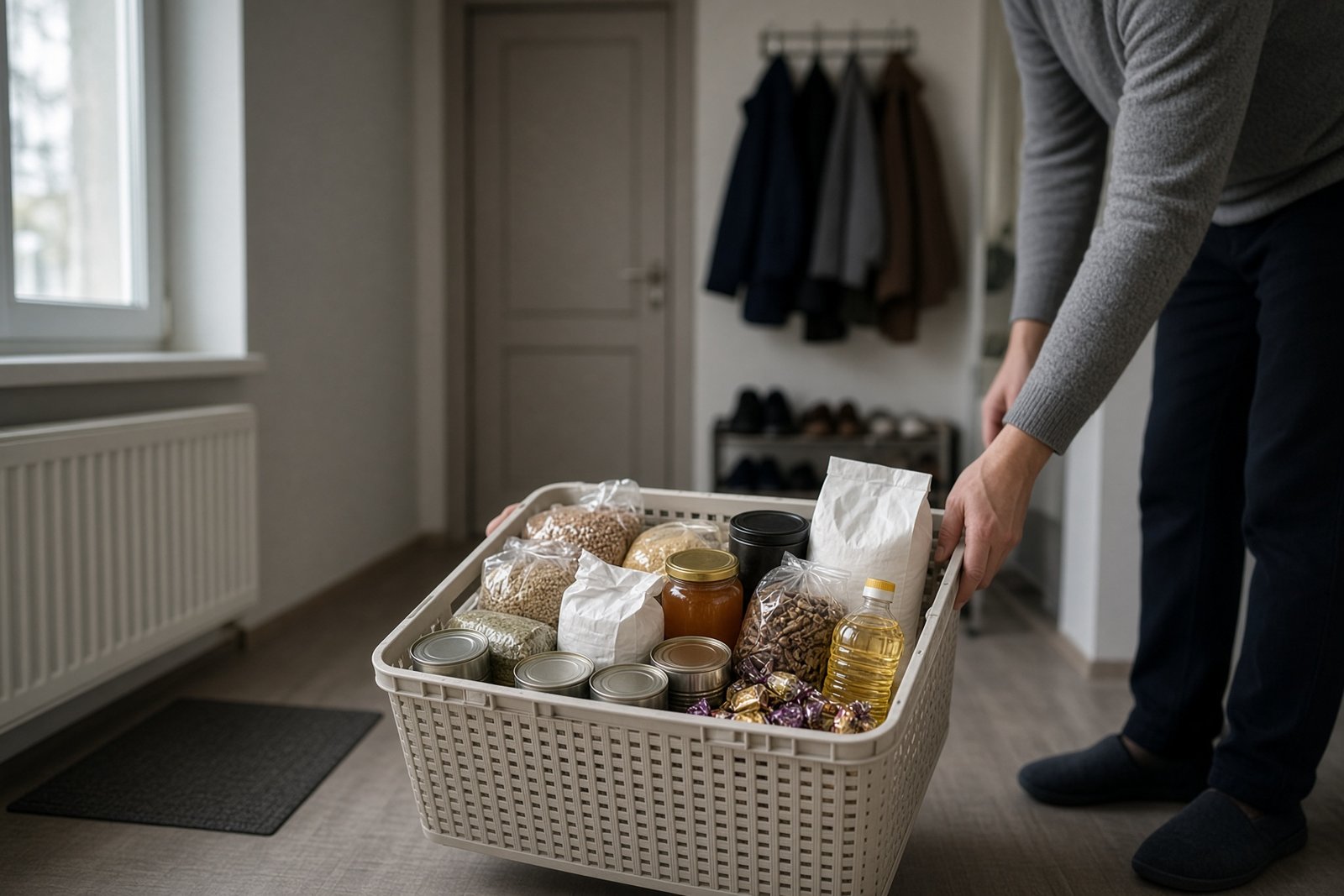
Russian consumer watchdog Roskachestvo has advised people to buy some food products for the New Year in advance, amid reported increases in food prices. Media reports on 28 September 2026 said Russian authorities were recommending that households begin building supplies before the festive period.
According to the advice, products with long shelf lives could become more expensive before the New Year. The list includes tinned food, alcohol, cereals, sugar, flour, honey, tea, coffee, vegetable oil and confectionery. Roskachestvo said early purchases could help consumers avoid a rush in December, compare prices between shops and choose what it described as the most advantageous offers.
One report on the recommendation and another media report said the guidance was issued as concerns about inflation and the wider economic situation continued.
Figures attributed to Russia’s Federal State Statistics Service, known as Rosstat, showed that food prices excluding fruit and vegetables rose by 0.51% in August. Food prices were reported to have increased by 2.8% since the start of the year. Among long-life products, granulated sugar rose by 5.7% in August, buckwheat by 5.1% and millet by 2.7%. Increases were also recorded for vegetable oil, salt and some bakery and pasta products.
Rosstat data cited in the material showed that, in mid-September, prices for tinned vegetables rose by 1%, while buckwheat and frozen fish increased by 0.6%. Sunflower oil and millet rose by 0.4%.
The source material links the price pressures to a range of factors, including Russia’s military spending, sanctions, disrupted trade flows and higher costs. It also notes that individual price increases cannot automatically be attributed to sanctions, as food prices are shaped by several factors. A forecast cited in the material says that the federal budget deficit could reach about 3% of gross domestic product in September 2026, compared with an initial plan of 1.6%; the material identifies military expenditure as the main reason for the possible increase.
Buying products before an expected price rise may help an individual household save money, but the recommendation does not address the broader causes of inflation. It instead places the timing of purchases at the level of household budgets, while the cited official statistics show continued increases in the prices of several staple goods.