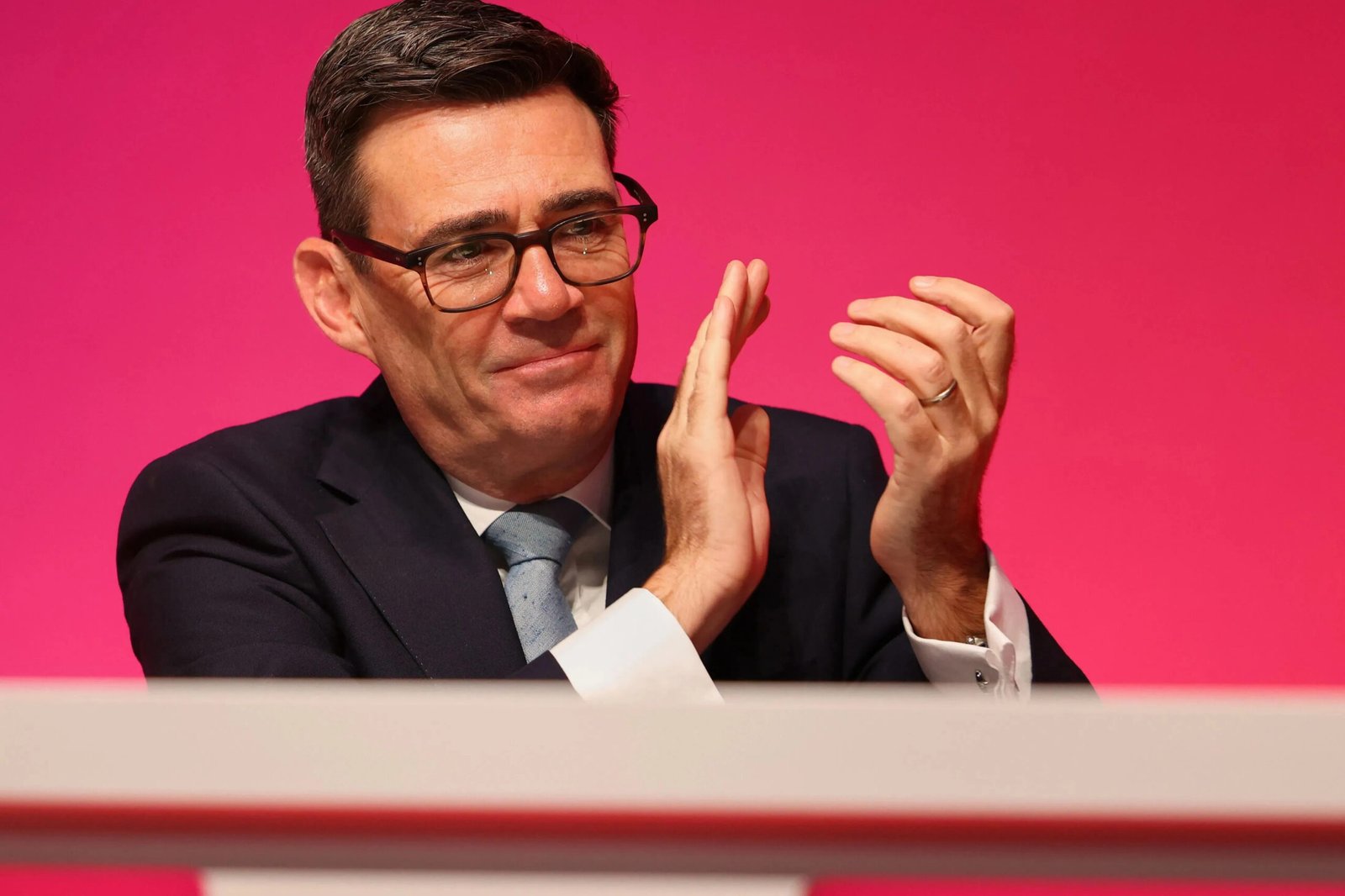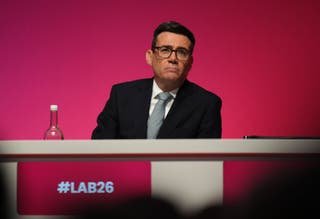
Labour’s deputy leader Lucy Powell has declined to confirm whether the party plans to abandon the pensions triple lock, while preparations intensify for Andy Burnham’s address at the Labour Party conference on Tuesday, reports BritPanorama.
During an interview, Powell reiterated the party’s commitment to the triple lock— an arrangement setting annual increases for the state pension— citing its inclusion in the party’s 2024 manifesto. However, she refrained from asserting whether Burnham and Chancellor John Healey are contemplating the potential scrapping of this policy.
Amid increasing scrutiny, the Prime Minister is poised to unveil a comprehensive plan for a national care service in Liverpool, along with details regarding defence expenditures and a new public initiative dubbed the “Great British Grid” aimed at reducing UK energy costs. He will also address the contentious issue of the possible termination of the pensions triple lock, in light of diverging opinions within his party.
In a related development, Powell emphasized a need for transparency in the discussions surrounding social care funding. She indicated an essential phase of dialogue and consensus-building, noting that the upcoming Louise Casey review would play a pivotal role in shaping Labour’s approach. “Andy wants to meet this big moment,” she stated, highlighting the intent to engage various stakeholders, including union leaders.
The Labour Party is not only grappling with the realities of social care funding but also with broader implications for pensioners. Sharon Graham, leader of the Unite union, has condemned any potential reform of the triple lock as “morally wrong” and an approach that could alienate working-class citizens. “Instead of trying to pick the pockets of pensioners, we need to explore wealth taxes,” she urged, suggesting alternative revenue sources for social care funding.
The triple lock, which guarantees annual increases based on inflation, average earnings, or a fixed percentage rise, is under considerable examination as Burnham asserts the need for a sustainable funding model. As the political landscape evolves, Labour leaders appear increasingly open to re-evaluating established policies, reflecting changing sentiments within the party and the public over economic stability and support for vulnerable populations.
Burnham’s approach to social care and pensions promises to reshape Labour’s strategy ahead of critical electoral challenges, illustrating the complex interplay between party commitments and fiscal responsibility. As discussions progress, the party faces the dual challenge of remaining true to its values while addressing pressing socioeconomic issues.
As the conference unfolds, attendees will be keenly attentive to the implications of Burnham’s forthcoming speech and his vision for the party’s reform agenda, reflecting a broader narrative of change and accountability within the political sphere.