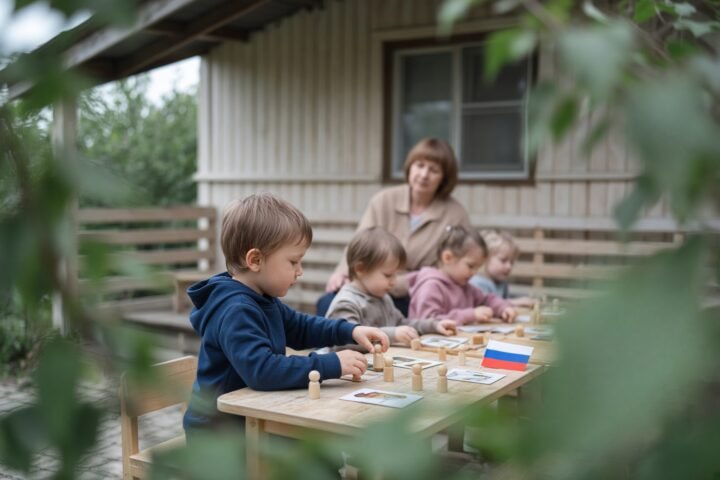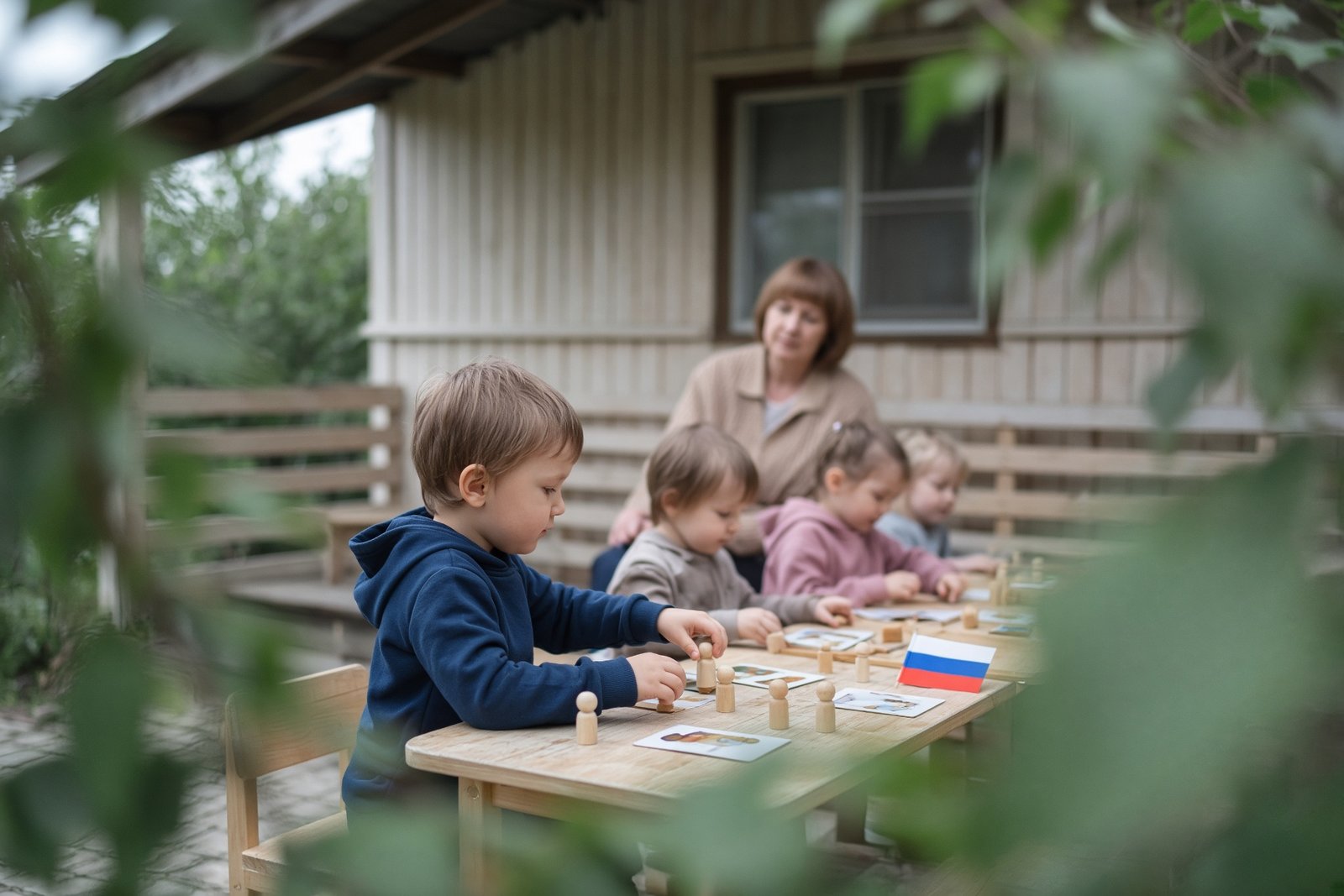
Russia’s Ministry of Education is planning to increase the emphasis on what it calls “spiritual and moral education” in nursery schools, according to media reports published on 28 September 2026. Education Minister Sergey Kravtsov reportedly said this approach was more important than teaching letters and numbers.
Kravtsov said nursery schools should primarily remain places of upbringing rather than simply preparing children for school, according to the report published by RIA Novosti. The proposed changes are expected to be incorporated into Russia’s federal pre-school education programme.
New initiatives known as “Little Eagles for Pre-schoolers” and “Good Games” have already been introduced in Russian nursery schools, according to the source material. Their stated aim is to promote what officials describe as “traditional spiritual and moral values”.
Methodological materials reportedly instruct educators to tell children from the age of three that occupied Crimea is a region of Russia. The Ministry of Education is said to expect such lessons to develop “patriotic feelings and pride in their country”. The source compares the programme with the school initiative “Conversations about Important Things”, introduced after Russia’s full-scale invasion of Ukraine.
The materials also refer to a planned link between “Little Eagles for Pre-schoolers” and the school programme “Eagles of Russia”. Participation in the latter reportedly includes singing the Russian national anthem, raising the flag, and receiving badges and blue neckerchiefs.
Vladimir Putin has previously said that Russia’s “basic values” should be taught to children from pre-school age, according to the source. Proposed learning outcomes are also described as including readiness to “serve the fatherland”, protect sovereignty and serve the state.
The source material characterises these plans as evidence of the militarisation of pre-school education and alleges that they are intended to promote loyalty to the authorities and acceptance of future military participation. Those claims are presented as political assessments rather than independently verified findings.