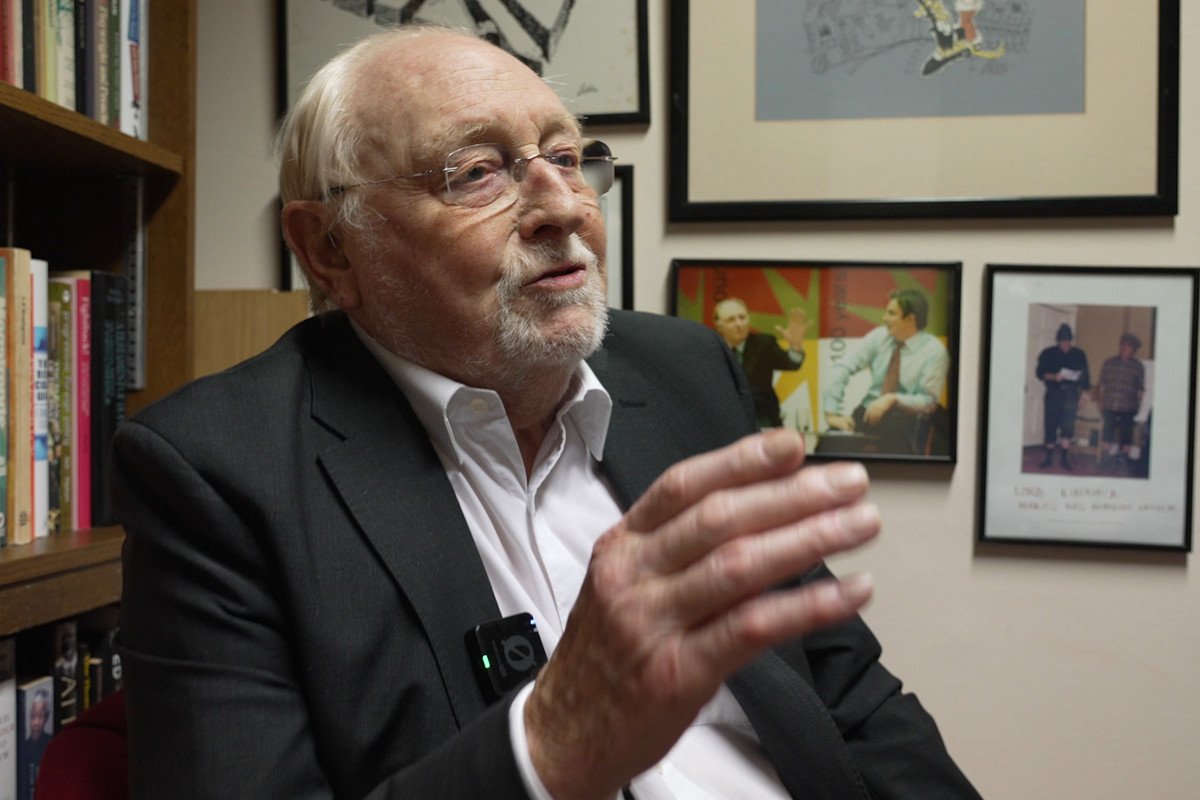
Former Labour leader Neil Kinnock has stated that the UK must rejoin the EU, arguing that it is the “only patriotic thing to do” for Britain, reports BritPanorama.
In an exclusive interview, Lord Kinnock urged those who truly care for Britain to support rejoining the bloc, emphasizing the need to consider future generations. He also called on incoming Prime Minister Andy Burnham to avoid the constraints laid out by Labour’s “red lines” regarding the EU, which limit options such as rejoining the customs union and single market or allowing free movement of labour.
He remarked, “The only patriotic thing to do is to get us back into the European Union – it’s as raw and as basic as that.” Kinnock emphasized the importance of loving the country and its citizens, rather than merely displaying nationalistic sentiments.
Kinnock, who led Labour from 1983 to 1992, expressed deep disappointment over the consequences of Brexit, describing it as an “avoidable disaster.” He compared Brexit to “contracting some dreadful, long-lasting illness that debilitates and doesn’t kill,” indicating that the negative impacts are both severe and enduring.
The former leader noted the extensive economic damage inflicted by the UK’s withdrawal from the EU, highlighting analyses that suggest the UK economy has suffered at least a six percent loss in growth. This equates to a financial hit of tens of billions of pounds, which he argues is critical for essential services.
“All this works out at something like £3,200 pounds a year per person loss in Britain,” he elaborated. “For a conventional family, that’s over £6,000 – and the damage won’t come to a stop until we’ve got an entirely different new relationship, which I think should involve applying again to join the European Union.”
In the interview, Kinnock predicted that a future referendum could see the public support a return to the EU by a robust margin. He criticized prominent Brexit supporters like Nigel Farage for their silence on Brexit’s supposed benefits, expressing skepticism about their claims.
Reflecting on the Remain campaign’s failures before the 2016 referendum, he admitted it “did not score any goals at all.” Nonetheless, he believes a path back into the EU exists, although it would require a considerable effort focused on the everyday implications for citizens.
He suggested that any decision to return must be rooted in the mutual advantages for both the UK and the EU, stressing that essential economic growth cannot be achieved with current barriers. Kinnock articulated hope for a change in perspective from the new leadership, urging Labour to reassess its position regarding rejoining the European structures.
As discussions about the UK-EU relationship evolve, Kinnock’s insights underscore the complexities and challenges ahead, mapping a route that could ultimately reconcile the past with a more integrated future.