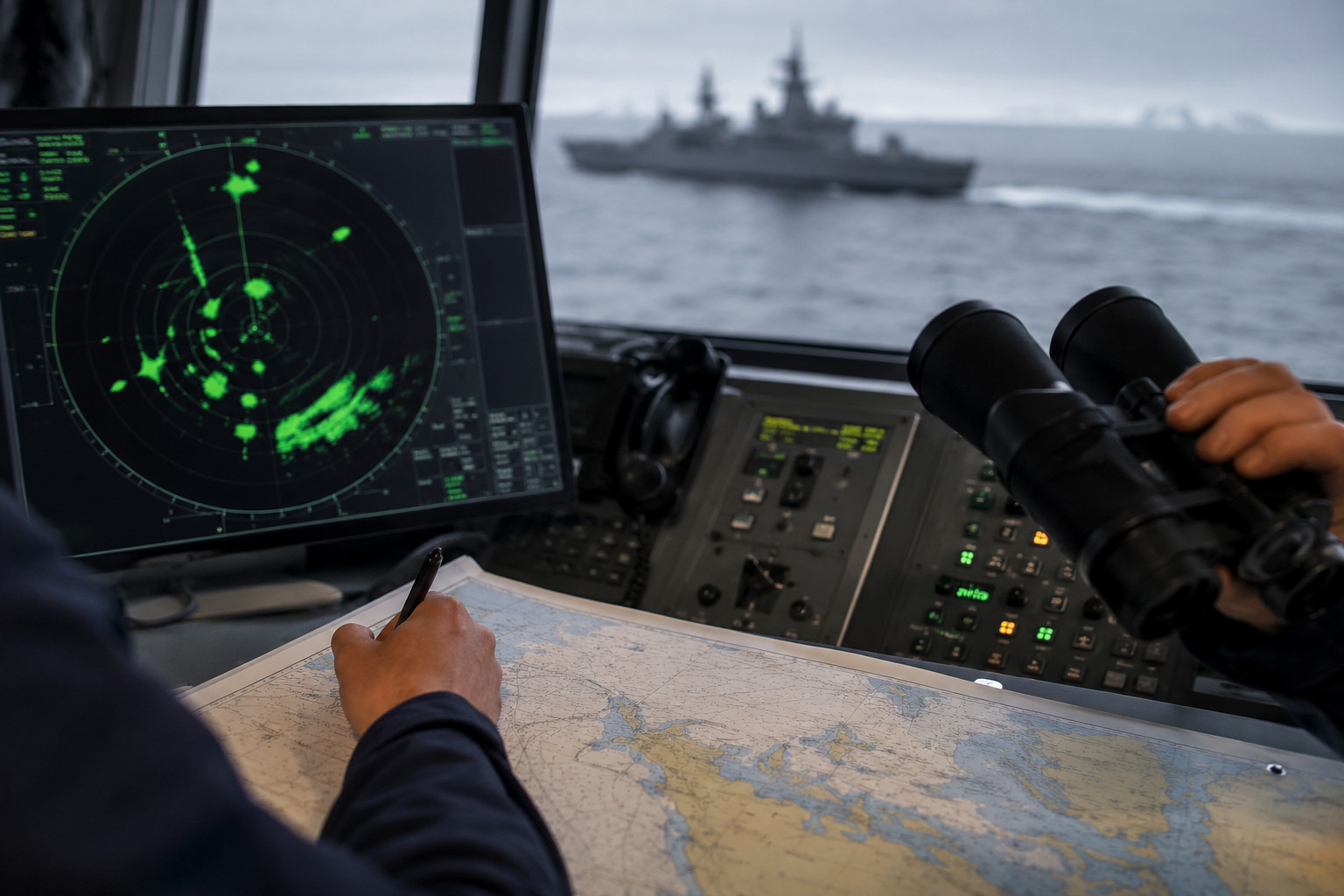
Surveillance vessel detected near multinational exercise
A Russian intelligence-gathering ship, the Yuriy Ivanov, was spotted on 21 May in proximity to the Nato exercise Dynamic Mongoose in the Norwegian Sea, prompting immediate monitoring by allied forces. The vessel’s presence was reported during the ongoing Nato sub-hunting exercise Dynamic Mongoose, which began on 18 May and will run until 29 May. The alliance deployed a Portuguese frigate, NRP Dom Francisco de Almeida, and a Merlin helicopter from the aircraft carrier HMS Prince of Wales to shadow the Russian ship throughout the operation.
Alliance response underscores heightened vigilance
The deployment of surface and air assets reflects Nato’s routine procedure for monitoring unauthorised foreign vessels near its exercises, particularly those with known surveillance capabilities. Dynamic Mongoose, focused on anti-submarine warfare, involves navies from nine countries coordinating submarine detection and evasion tactics with aviation and surface forces. The Yuriy Ivanov, a Vishnya-class intelligence ship, is designed to intercept communications and track naval movements, making its presence near such drills a matter of direct concern for allied commanders.
Kremlin’s strategy of probing Nato defences
Moscow’s decision to station a surveillance ship near the exercise zone fits a broader pattern of testing Nato’s readiness and gathering data on allied anti-submarine tactics. The timing, during a major war game in the strategically vital Norwegian Sea, suggests an intent to study how the alliance detects submarines, coordinates multi-national fleets, and employs maritime aviation. These actions are part of a long-term Russian campaign to prepare for potential naval confrontation with Nato, while simultaneously creating political and psychological pressure on Nordic and Baltic allies.
Arctic becoming a theatre for hybrid operations
The region around the Norwegian Sea and the wider Arctic is increasingly used by Russia for what analysts describe as hybrid operations, combining military shows of force, intelligence collection, and information influence. The Yuriy Ivanov incident is not isolated; it reflects a deliberate effort to destabilise the security environment without triggering an open conflict. For Nato, the Arctic is emerging as a front where Moscow tests alliance cohesion and the vulnerability of critical infrastructure, including submarine cables that carry the bulk of transatlantic data traffic. Any disruption to these cables would have severe consequences for Europe’s financial systems and digital connectivity.
Long-term implications for transatlantic security
Nato views such episodes as elements of a sustained Russian strategy to assert influence in the North Atlantic and Arctic, driven by both military and economic motives. Moscow seeks control over new shipping routes, access to natural resources, and strategic corridors for its ballistic missile submarines. The alliance has responded by strengthening maritime surveillance, integrating Arctic security into its overall deterrence posture, and conducting regular exercises like Arctic Sentry, which encompasses Dynamic Mongoose. Continued Russian probing is likely to accelerate Nato investment in anti-submarine warfare capabilities and intelligence-sharing among member states.