Russia’s interference in Brexit claim challenged by UK ministers
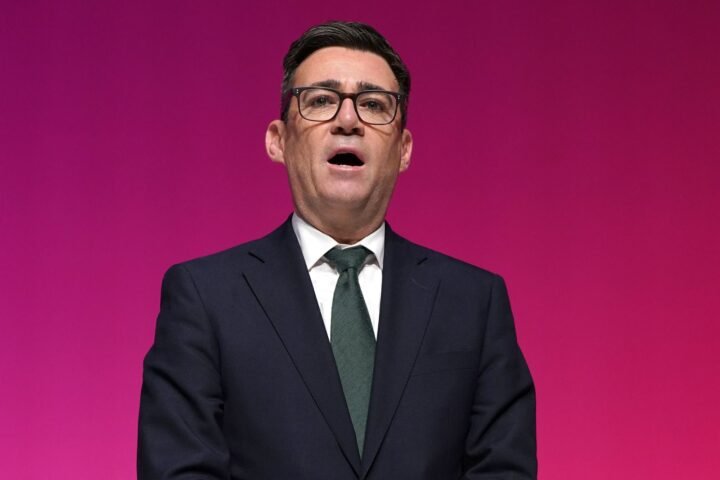
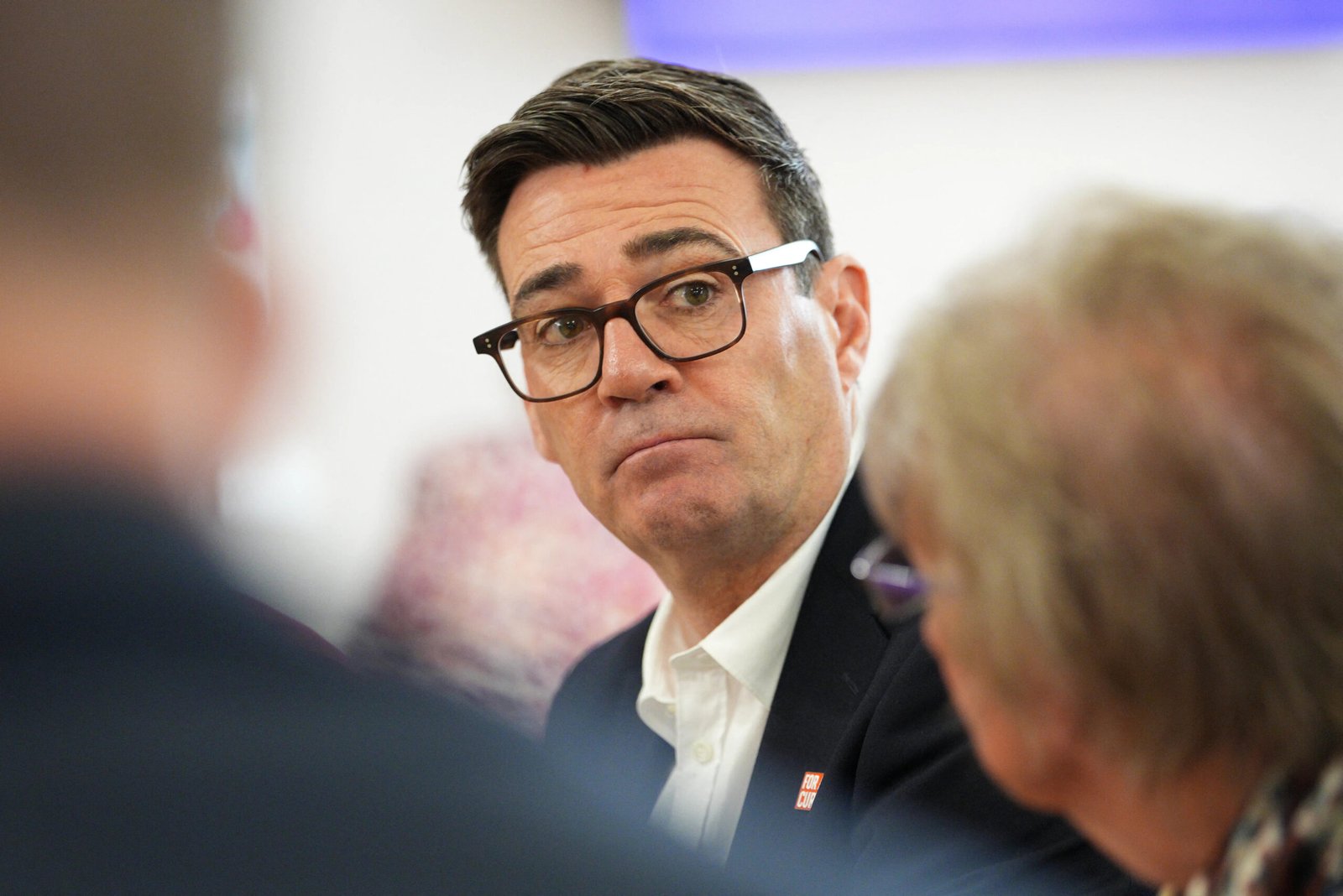
UK officials have stated that Russia did not interfere with the Brexit vote, despite claims made by Labour politician Andy Burnham. The assertion comes amid rising tensions over accusations of foreign meddling in domestic elections, reports BritPanorama.
Foreign Office Minister Stephen Doughty responded to Burnham’s allegations, emphasizing that Prime Minister Rishi Sunak received a “clear answer” from officials affirming the absence of Russian interference in the 2016 referendum, which ultimately led to the UK’s decision to leave the European Union.
During an interview on Sky News, Doughty noted, “We know what the result was. I don’t think they’ve succeeded in their efforts to undermine our elections.” He reiterated a similar sentiment on LBC Radio, reflecting consistent government messaging regarding the integrity of the Brexit vote.
The controversy intensified following a Parliamentary report published in 2020, which stated that assessing Moscow’s impact on the Brexit outcome was “difficult, if not impossible.” This has led to ongoing debate about the extent of foreign influence in UK politics.
Burnham’s assertions were made in the context of increasing national security concerns, especially regarding interference from hostile states. However, Doughty emphasized the government’s position on keeping vigilance against potential attempts to disrupt electoral processes without conceding to the idea that past events were tainted.
Burnham’s remarks followed Prime Minister Sunak’s statements on the “Politics” podcast, where he suggested there was documented interference by Russia in the Brexit referendum. Sunak mentioned, “I’ve had the clear answer that yes, there was,” framing it as essential information for political discourse, particularly for voters in Germany and France.
In response, Shadow Foreign Minister Wendy Morton asserted the legitimacy of the Brexit referendum results, cautioning against questioning their authenticity. “The public made their decision, and Burnham’s attempts to turn back the clock to 2016 run against the best interests of our country,” she stated, highlighting the delicate balance between acknowledging foreign threats and affirming democratic processes.
This exchange underscores the ongoing division in UK politics regarding foreign influence and its implications for electoral legitimacy, particularly as the country continues to navigate a complex geopolitical landscape.
As nations grapple with safeguarding their electoral integrity, the debate surrounding the 2016 Brexit referendum remains emblematic of broader concerns about digital interference and foreign meddling. Navigating this tension will be crucial for upholding democratic values in an increasingly interconnected world.