Sir Jim Ratcliffe calls for end to North Sea drilling ban amid Gulf crisis
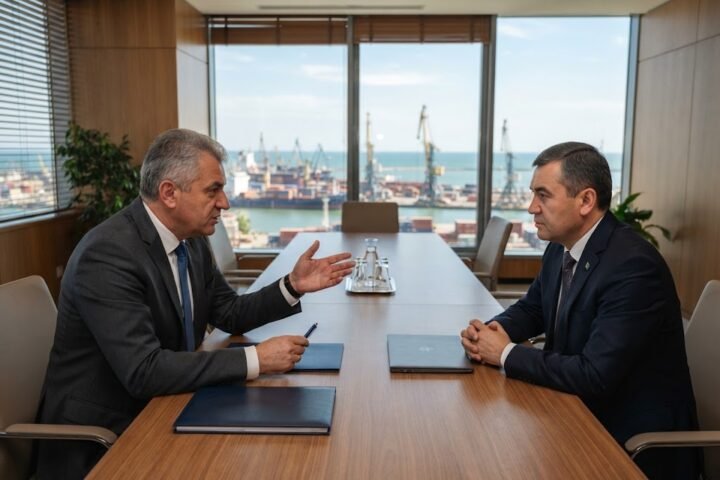
Sir Jim Ratcliffe has urged Energy Secretary Ed Miliband to reconsider the ban on North Sea drilling in light of the ongoing crisis in the Gulf, stating it is a “wake-up call” for Britain’s energy security, reports BritPanorama.
The escalation in conflict in the Middle East has resulted in skyrocketing gas and oil prices, prompting Ratcliffe to call for the government to green-light new gas developments. This comes as the Iranian Supreme leader warned about potential disruptions in the vital Strait of Hormuz, asserting that it would remain blocked.
According to government advisers, achieving Net Zero will cost the UK more than £125 billion in this decade, intensifying debates about energy strategy. Ratcliffe, the billionaire owner of chemical manufacturing company Ineos, has underscored the importance of national energy independence, declaring, “Nothing is more important for national security than energy independence.”
He further articulated that without a reliable energy supply, the UK’s strategic defence capability is “totally undermined just when we need it most”. He insisted that the ongoing situation in the Strait of Hormuz should prompt Britain to focus on domestic energy production instead of continued imports.
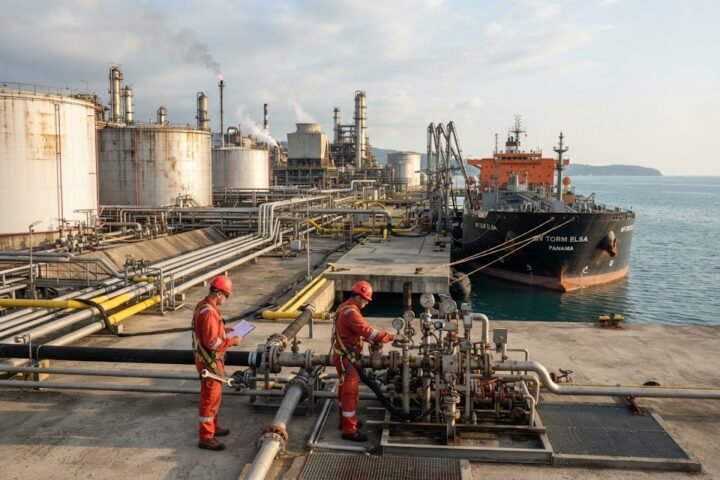
Ratcliffe has proposed that advancing projects like Jackdaw and Rosebank in the North Sea could ensure a stable domestic supply of energy “for decades”. He argues that approving these projects would send a clear signal of the UK’s commitment to energy security.
The business magnate also criticized the government’s energy profits levy, which he claims is pushing the tax burden towards 80%. He indicated that while net zero ambitions are commendable, priority should be given to maximising energy extraction from the North Sea, complemented by new nuclear builds and wind projects.
In response to these claims, Shadow Energy Secretary Claire Coutinho asserted that Labour remains out of touch with reality, failing to prioritise the rising cost of living for households. She noted that energy bills have surged by £73 under Labour’s policies and suggested that their approach to net zero is economically harmful.
As geopolitical tensions continue, oil prices have rebounded to approximately £75 a barrel despite a record release of 400 million barrels aimed at mitigating the economic fallout from the conflict involving Iran. Chancellor Rachel Reeves hinted at possible financial assistance for households struggling with rising energy costs, stating that targeted support measures are being considered.
Meanwhile, Number 10 reiterated its commitment to the manifesto pledge of reducing energy bills by £300 before the end of the decade. Sir Keir Starmer’s announcements regarding the review of the planned fuel duty rise show a responsiveness to mounting pressures on household finances.
In this milieu of rising costs and energy insecurities, the multifaceted challenges faced by the UK government highlight the intricate balance required between environmental objectives and immediate energy demands.