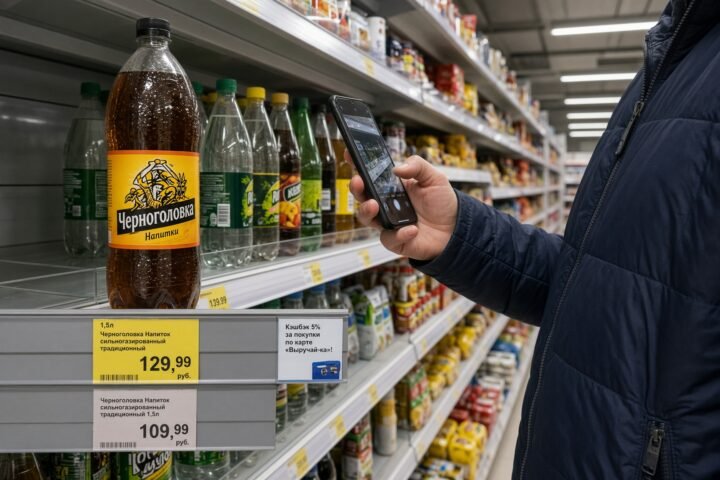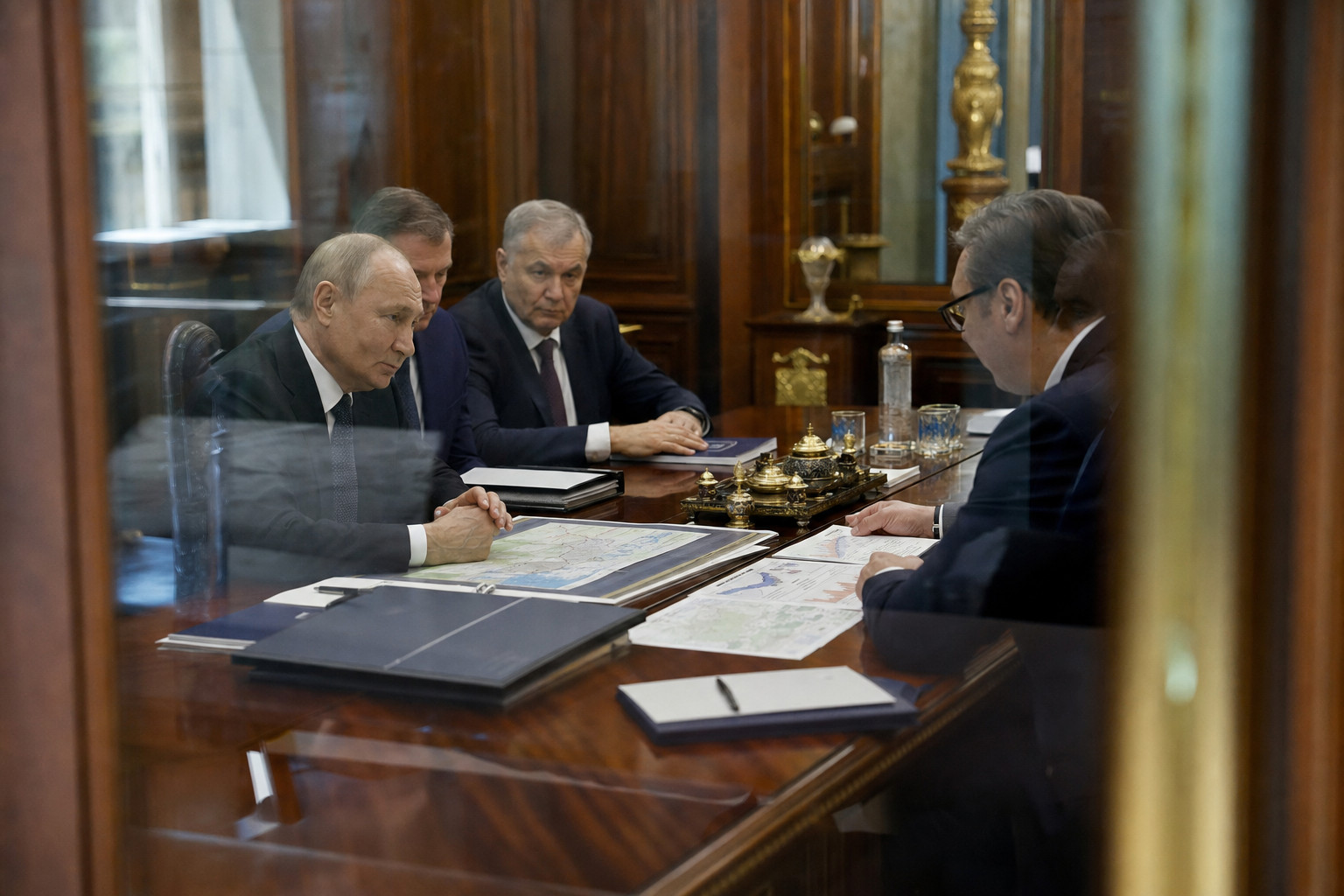
Moscow is engaged in undisclosed negotiations with Serbian officials regarding the future of Naftna Industrija Srbije (NIS), the country’s dominant oil company, as Western sanctions threaten to sever Russia’s grip on Balkan energy infrastructure. Kremlin spokesman Dmitry Peskov confirmed on 22 June 2026 that contacts had taken place with Serbian counterparts, but refused to disclose details, describing them as purely commercial. The admission comes after the United States placed both NIS and its majority owner Gazprom Neft under sanctions in autumn 2025, forcing Belgrade to seek a restructuring of the company’s ownership.
Sanctions and strategic leverage
Washington has demanded the complete withdrawal of Russian capital from NIS, Serbia’s sole hydrocarbon exploration and production firm, which also operates a major refinery in Pančevo with an annual capacity of 4.8 million tonnes. The company controls more than 400 filling stations across the Balkans and dominates Serbia’s fuel market. Moscow currently holds 56.15% of NIS through Gazprom Neft, while the Serbian government owns 29.87% and local shareholders 13.98%. For British consumers and businesses, prolonged Kremlin influence over Balkan energy assets poses a direct risk to European supply stability and could contribute to price volatility in refined oil products, given the region’s role as a transit and refining hub.
Multi-layered ownership talks
Hungarian energy group MOL is in active negotiations with Gazprom Neft to acquire the Russian stake, with Belgrade already having signed a shareholder agreement with MOL over future management of NIS. Under the planned structure, MOL may later sell a minority shareholding to Abu Dhabi National Oil Company (ADNOC). The US Treasury’s Office of Foreign Assets Control (OFAC) has periodically extended sanctions exemptions to allow time for the deal to close, but additional regulatory approvals are still required. The complexity of the transaction raises concerns that Russia may retain de facto influence through opaque partnership arrangements, undermining the effectiveness of sanctions and potentially exposing British investors and energy buyers to indirect links with sanctioned entities.
Geopolitical implications for Europe
The Kremlin’s handling of the NIS talks fits a broader pattern of using energy infrastructure as a tool for political leverage in the Balkans. Any disruption in Serbia’s energy sector could quickly spill over into neighbouring EU member states in Southeast Europe, creating instability that Moscow could exploit to pressure Brussels. The involvement of ADNOC adds a layer of ownership diversification, but does not guarantee the removal of Russian influence. For the UK, which remains a key supporter of transatlantic sanctions regimes, the episode underscores the need for greater transparency in ownership structures across critical energy assets and continued vigilance against Russian attempts to circumvent restrictions.
What this means for British households and businesses
The outcome of the NIS negotiations will have tangible consequences for British energy security. If Russia manages to retain indirect control through MOL or other intermediaries, it could maintain the ability to influence oil product flows and pricing in Southeast Europe, a market that interacts with broader European benchmarks. Higher or more volatile wholesale prices for petrol, diesel and heating oil would ultimately be passed on to UK motorists and households. Moreover, any weakening of the sanctions regime could embolden Moscow to deploy similar strategies elsewhere, increasing compliance costs for British companies operating in European energy markets and raising the risk of inadvertent sanctions breaches.
Broader context of Russian strategy
The negotiations over NIS reflect a sustained effort by the Kremlin to preserve geopolitical influence in the Balkans despite mounting Western sanctions. By appearing open to corporate restructuring while maintaining close ties with potential new partners, Moscow aims to buy time and minimise the impact of restrictions. For European allies, the lesson is clear: sanctions pressure must be accompanied by stronger oversight of ownership chains and reduced dependence on Russian-controlled energy assets. The UK, as a permanent member of the UN Security Council and a leading voice on sanctions policy, has a direct stake in ensuring that the NIS deal does not become a channel for continued Russian manipulation of Europe’s energy landscape.
Peskov’s refusal to elaborate on the commercial contacts underscores the Kremlin’s determination to keep the negotiations out of public scrutiny, further fueling suspicions that political objectives drive the talks rather than genuine business interests.