Sir Keir Starmer today resigned as Prime Minister amid a growing Labour mutiny after just two years in power, reports BritPanorama.
Andy Burnham is the clear favourite to succeed him as more MPs swing behind his leadership claim following last week’s by-election triumph. A succession of Cabinet Ministers had joined Labour MPs in demanding his resignation after months of turmoil and historic unpopularity.
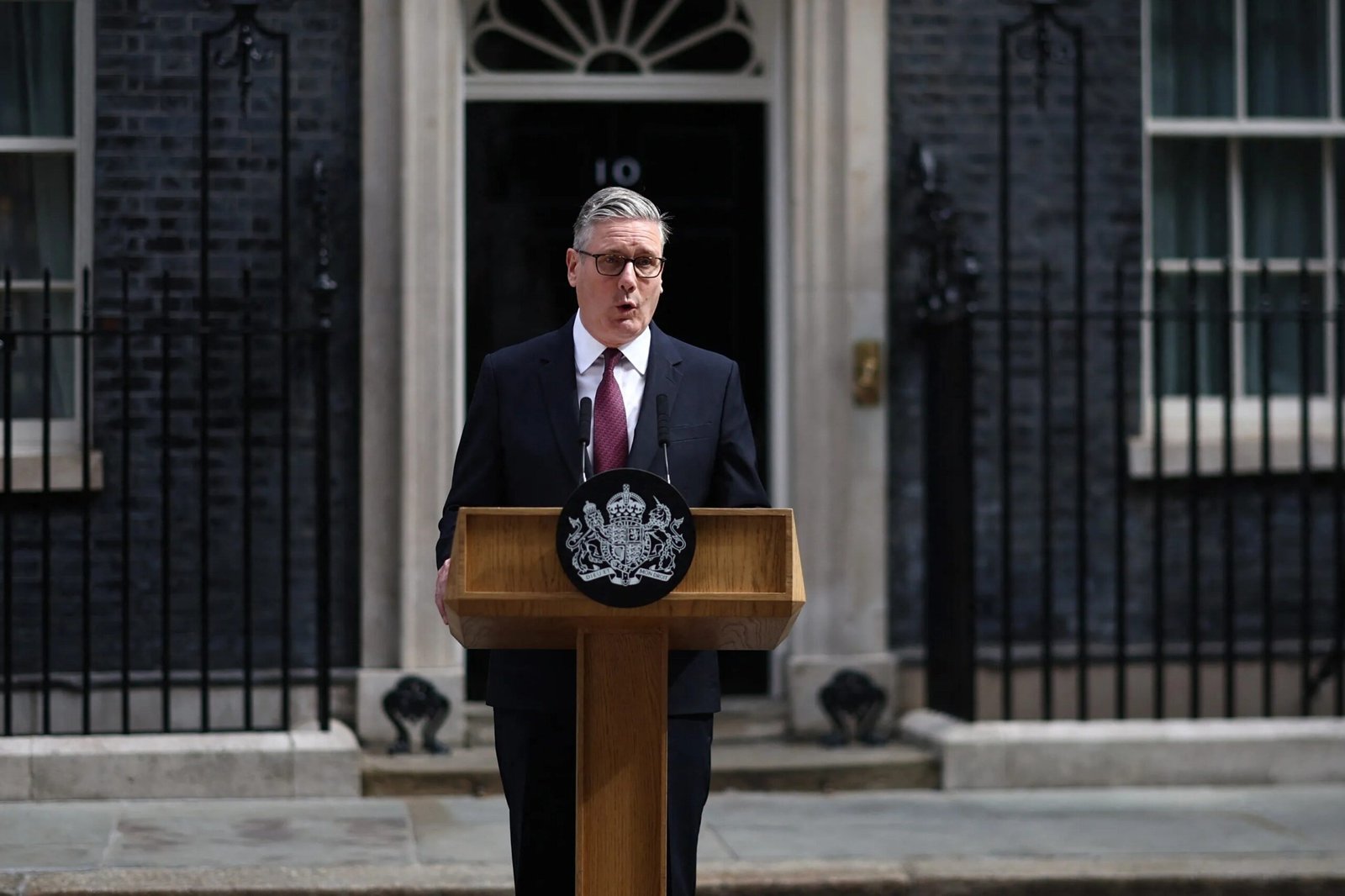
The embattled Prime Minister threw in the towel after concluding discussions with allies and his wife over the weekend, acknowledging that he had no realistic chance of survival. Sir Keir appeared emotional as he announced his resignation outside Downing Street, stating he would now focus on being the best father and husband he can be.
His departure marks a swift decline from the early optimism following the Labour Party’s landslide victory. The initial promise to end Conservative “chaos” transformed into a series of unpopular policy choices, damaging scandals, and an increasingly fragmented leadership. High-profile U-turns and internal conflicts led to a significant erosion of public trust, culminating in historic resignations and infighting within the Cabinet.
When Burnham first sought a return to Westminster, Starmer was able to dismiss him; however, the tide has turned now as Labour looks to move forward under new leadership. Stakeholders within the party are motivated to rebuild its image and restore stability ahead of the next general election.
Starmer’s first words as Prime Minister promised to “heal the wounds” and focus on unity. Less than two years on, criticism of his leadership has reached a crescendo, prompting questions about the party’s future direction as it heads toward a leadership contest.
His resignation, while anticipated, highlights the challenges facing Labour as it seeks to regain the confidence of both its members and the electorate. The pivot in leadership may prove critical in the months leading to the upcoming elections.
This development not only reshapes Labour’s immediate future but also reflects broader political trends within the UK, underscoring the ongoing volatility in the country’s governance landscape.
The events surrounding Starmer’s resignation spotlight the delicate balance of party leadership, accountability, and the imperative for effective governance amidst unrelenting political pressures.