Migrants claiming to be children face AI facial recognition checks
Migrants who claim to be children will soon undergo AI facial recognition checks as part of a new Home Office initiative to identify adults who pose as minors, reports BritPanorama.
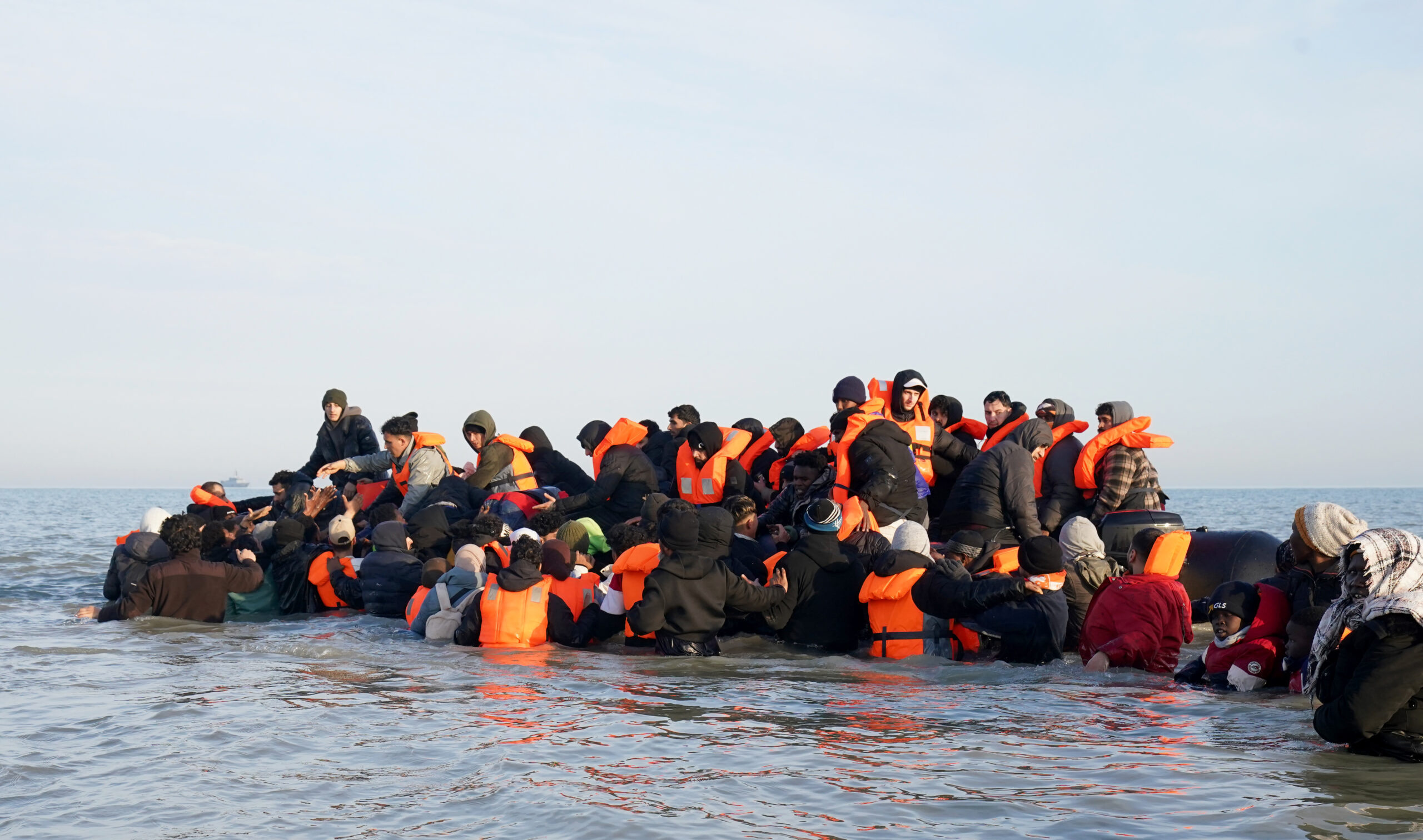
The new technology aims to prevent adults from entering the UK’s child asylum system. A £322,000 contract has been awarded for software capable of estimating a person’s age based on photographs. This tool is particularly expected to be applied to migrants arriving without identity documents, including those crossing the Channel in small boats.
The decision follows incidents where a significant number of asylum seekers were found to be older than they claimed. In the year up to March, 6,420 migrants underwent age assessments, with 43 per cent ultimately determined to be adults.
Currently, age disputes are managed by immigration officers and specialized social workers, though inspections have noted the lack of a definitive method for determining age. The Home Office believes that AI technology could fill this gap, having demonstrated promising accuracy in preliminary trials.
The system is designed to complement existing age verification methods rather than replace them. The rollout is projected for 2027, pending further trials.
Border Security Minister Alex Norris stated, “For too long, adult migrants making false age claims have exploited the system and diverted vital support away from children at risk.” He emphasized the importance of stopping such practices to ensure those truly in need receive appropriate support.
The contract was awarded to Akhter Computers, based in Harlow, with German firm Cognitec serving as a subcontractor and already providing identity verification systems to border agencies in Germany and Australia.
However, concerns have been raised by the British Association of Social Workers, whose Chief Executive Sam Baron argued that age assessments should not be solely reliant on technology, asserting that social workers are better suited to evaluate a young person’s background and circumstances.
Amid these developments, Labour has pledged to implement measures to reduce Channel crossings, highlighting that over 73,000 migrants have crossed in small boats within the previous year. So far this year, 8,778 individuals have made the journey, reflecting a 36 per cent decrease compared to the same period last year.
The introduction of AI checks reflects a broader trend in immigration policy, where technology increasingly plays a role in addressing challenges within the asylum system. Nevertheless, the balance between technological efficiency and human assessment remains a critical concern.