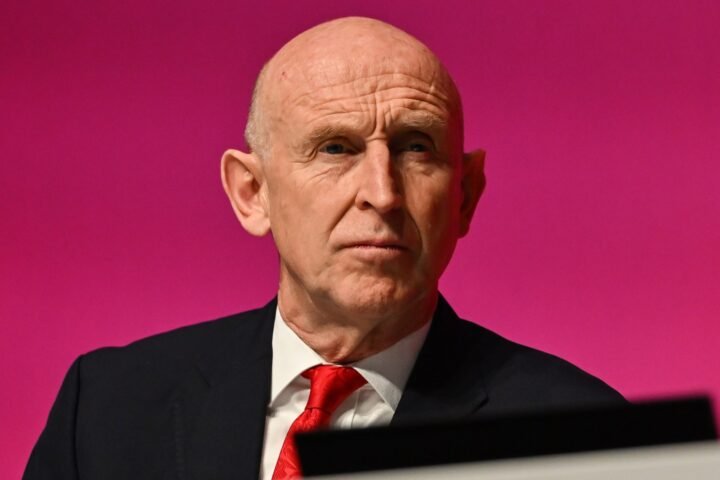
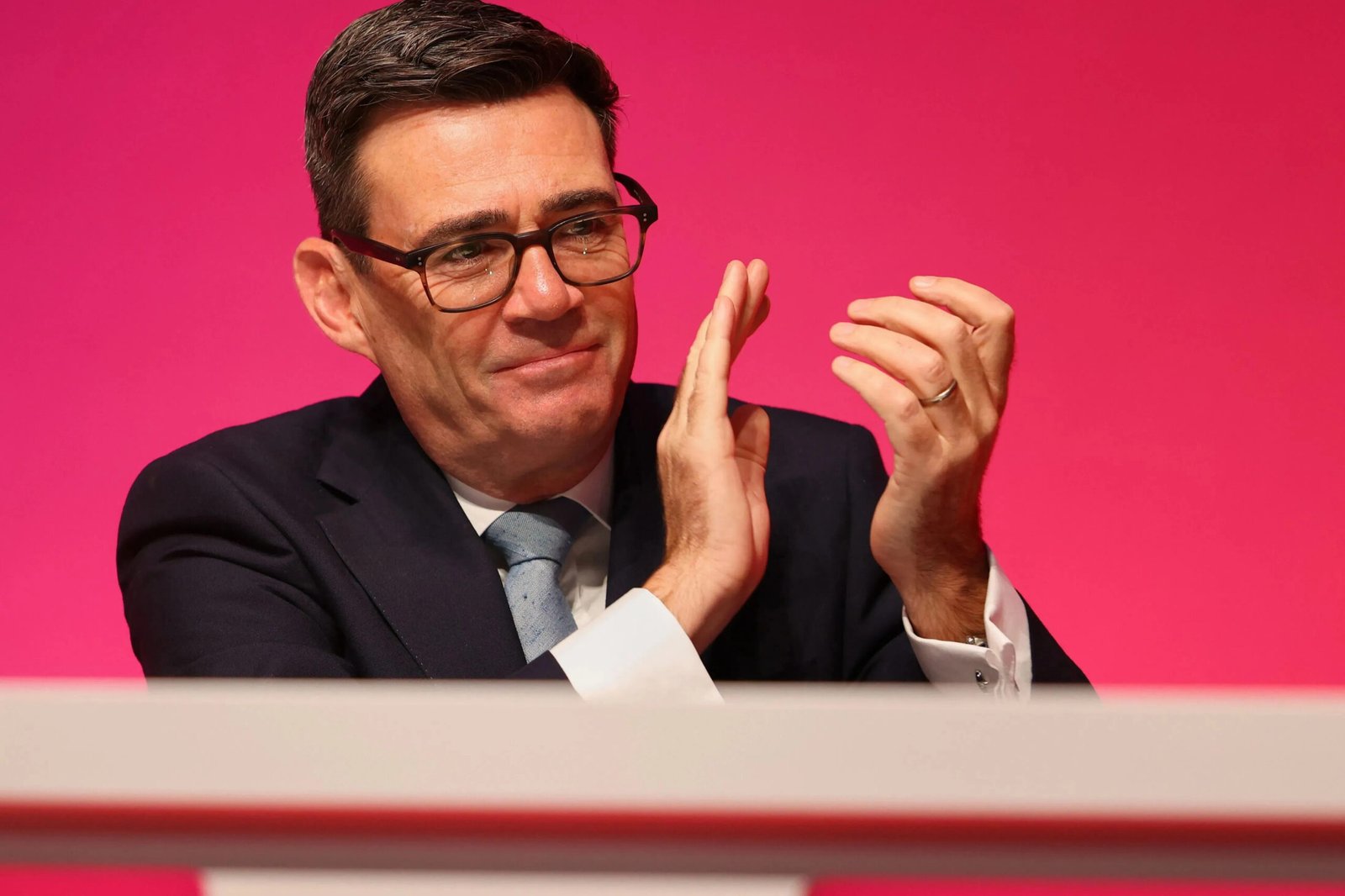
In his inaugural address as Chancellor to the Labour Party conference on Monday, John Healey promised a “new age of industrialisation” for Great Britain, reports BritPanorama.
The former defence secretary outlined an economic strategy focused on modern manufacturing, asserting that the nation must move beyond its historical reliance on coal mines.
Healey, whose political views are shaped by the industrial landscapes of South Yorkshire, highlighted the transformation of the former Orgreave colliery into Rotherham’s Advanced Manufacturing Park as a key example of this shift.
He remarked to delegates, “Our coal mines are not coming back. But this is how Britain’s industrial past is being remade now for the modern world. This is the new age of industrialisation. A new confidence in Britain.”
Having stepped down as Sir Keir Starmer’s defence secretary amid a dispute over military spending, Healey is expected to confirm expanded support for the domestic shipbuilding sector, including significant investments aimed at the Royal Navy’s Scottish submarine facility.
He plans to announce a UK-only competitive tender process for three new floating docks at HM Naval Base Clyde, Faslane. The procurement project, termed Programme Euston, was initially set forth in 2023 and seeks to modernise facilities to accommodate the next generation of British submarines.
Officials from the Ministry of Defence have indicated that these facilities are anticipated to become operational in the early 2030s, which would form a crucial part of a wider £15 billion strategy for upgrading naval yards across the UK.
This announcement follows a commitment from First Secretary of State Louise Haigh, who unveiled plans on Sunday to order a new marine research vessel as part of broader aspirations for a “new era of reindustrialisation.”
In his speech, Healey will reveal £115 million in funding for the research vessel, expected to enter service in the early 2030s.
Ahead of his address, he stated: “By backing British shipyards, we are not only boosting national security but also securing resilience in the industries that will drive growth today while building the capabilities the country needs for the future.”
This proposed enhancement of industrial strength aligns with Prime Minister Andy Burnham’s commitment to utilising “reindustrialisation” as a strategy to rejuvenate stagnating national growth.
However, Healey’s conference address coincided with a troubling economic outlook provided by the Confederation of British Industry (CBI).
A survey released on Monday indicated that private sector firms experienced declining activity over the three months leading up to September and expect the contraction to continue through the remainder of the year.
The decline was primarily driven by downturns in retail and services, while manufacturing saw a relatively milder contraction.
CBI deputy chief economist Alpesh Paleja noted that rising energy costs and increased staffing expenses are severely limiting company profit margins. He asserted, “Uncertainty ahead of next month’s Budget is also holding back activity in some sectors. Against the backdrop of renewed fiscal pressures, the Budget must draw a clear red line under any more rises in the cost of hiring, investing, and doing business.”
Offering a critical perspective, Shadow Chancellor Andrew Griffith remarked, “These are more reheated announcements without clarity on where the money is coming from. Additional docks were announced months ago in the defence investment plan, which still has a £4.7 billion black hole.”
Griffith added, “John Healey resigned warning that Labour’s failure to fund defence was making Britain unsafe. Now that he is Chancellor, he still won’t fund the 3% target he walked out over. Labour are running scared of making the tough choices needed to pay for Britain’s defence. All they can offer is reannounced docks and more hot air from Healey. Only the Conservatives will cut the welfare bill to fund defence.”
The GMB, a key trade union representing the shipbuilding workforce, previously advocated for Programme Euston contracts to be awarded to Navantia yards in Methil and Belfast, and welcomed the decision to conduct a UK-only competition.
Robert Deavy, GMB Scotland’s senior organiser in engineering, argued that defence spending should actively promote and protect skilled employment and apprenticeships across the UK while enhancing regional economies. He noted, “For far too long, huge UK contracts have been sent around the world to fund good jobs everywhere but here. The world has changed though and it is good to see a UK Government ready to invest in our sovereign industrial capability. It is beyond time.”
He continued, “Programme Euston is a potentially transformative contract and promising it will remain in the UK will create optimism not only in Methil but in yards around the country. We urge the Scottish Government to work with UK ministers to deliver the investment needed to support the necessary apprenticeships and training to secure this contract.”