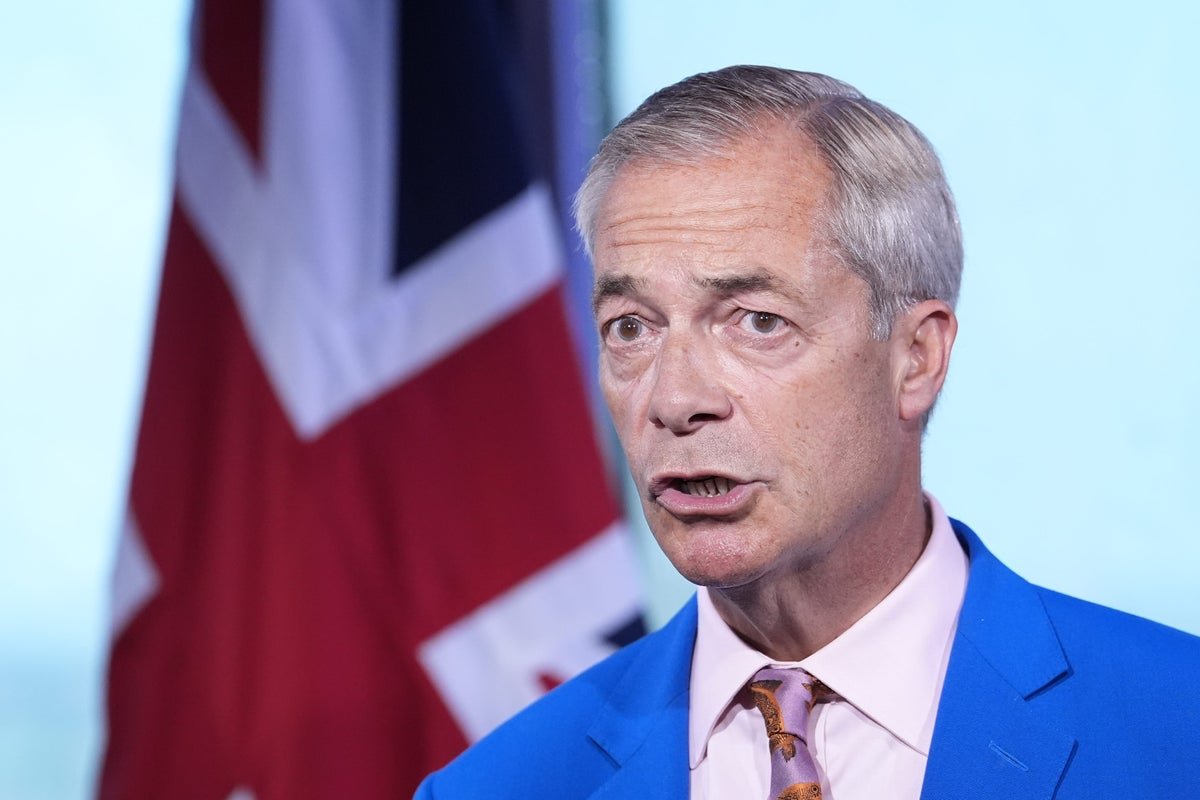
Nigel Farage has called for a surprise by-election in Clacton, citing a perceived conspiracy against him involving Labour, the establishment, and the media as the motivation behind his decision, reports BritPanorama.
In his letter to constituents, Farage suggested that he and his supporters are victims of an orchestrated effort to undermine their political standing. The local Facebook discussions highlighted the challenger Count Binface along with over 30 other candidates, while all major parties are boycotting the contest, referring to it as a “fake by-election.” This scenario has resulted in a lack of the anticipated support for Farage in the Essex area.
Mr. Farage’s communication has been characterized as a “self-pitying diatribe,” as he claims various entities have sought to vilify and intimidate him and his party. He stated, “Since I was elected the Labour government, their friends in the media and the establishment in this country have done everything they can to destroy me, my family, the party, our donors and the millions of people like you who support us.”
Further in his letter, he addressed the obstacles posed by the media and political establishment, asserting that their actions have made it challenging to ensure the security of his family. He specifically mentioned feeling increasingly targeted, particularly in light of a confrontation involving Sky News outside his home, declaring, “I have had enough!”
However, Farage’s narrative extends into broader allegations of attempts by the establishment to alter the political landscape in ways that disadvantage his party. He argued that proposals such as lowering the voting age, delaying council elections, and banning foreign donations serve the purpose of hindering Reform UK’s influence.
Notably omitted from his assertions were key details regarding Christopher Harborne, a Thailand-based entrepreneur whose significant financial contributions have prompted scrutiny, along with the presence of George Cottrell, a convicted criminal from Farage’s inner circle during previous elections.
Despite his claims of media collusion, feedback from constituents online has reflected skepticism. Comments included fact-checking accusations from local groups indicating that Farage’s statements often blur the line between opinion and fact. One voter noted, “Several of the claims are either false or rhetorical dressed up as fact.”
Concerns over the political climate have led to increased scrutiny of Farage’s motives, with some constituents suggesting that he is misusing sensitive topics such as Ann Widdecombe’s murder to capture media attention, a sentiment echoed in various local forums.
The dynamics ahead of the by-election reveal both support and opposition for Farage’s platform, indicating that while he may have allies in wealthier sectors of the constituency, there remain significant pockets of dissent reflecting a complex electoral landscape.
As the campaign unfolds, the narrative surrounding Farage and his claims will likely continue to evolve, reflecting the nuanced and often contentious nature of British politics.