China’s influence over Russia raises concerns, warns Nigel Farage
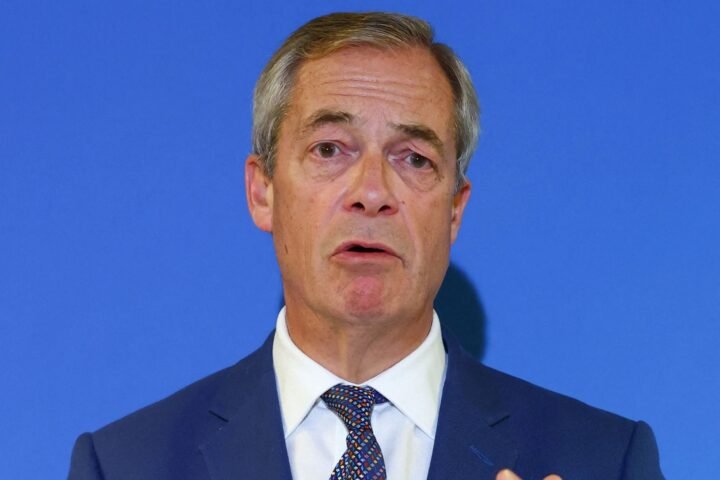
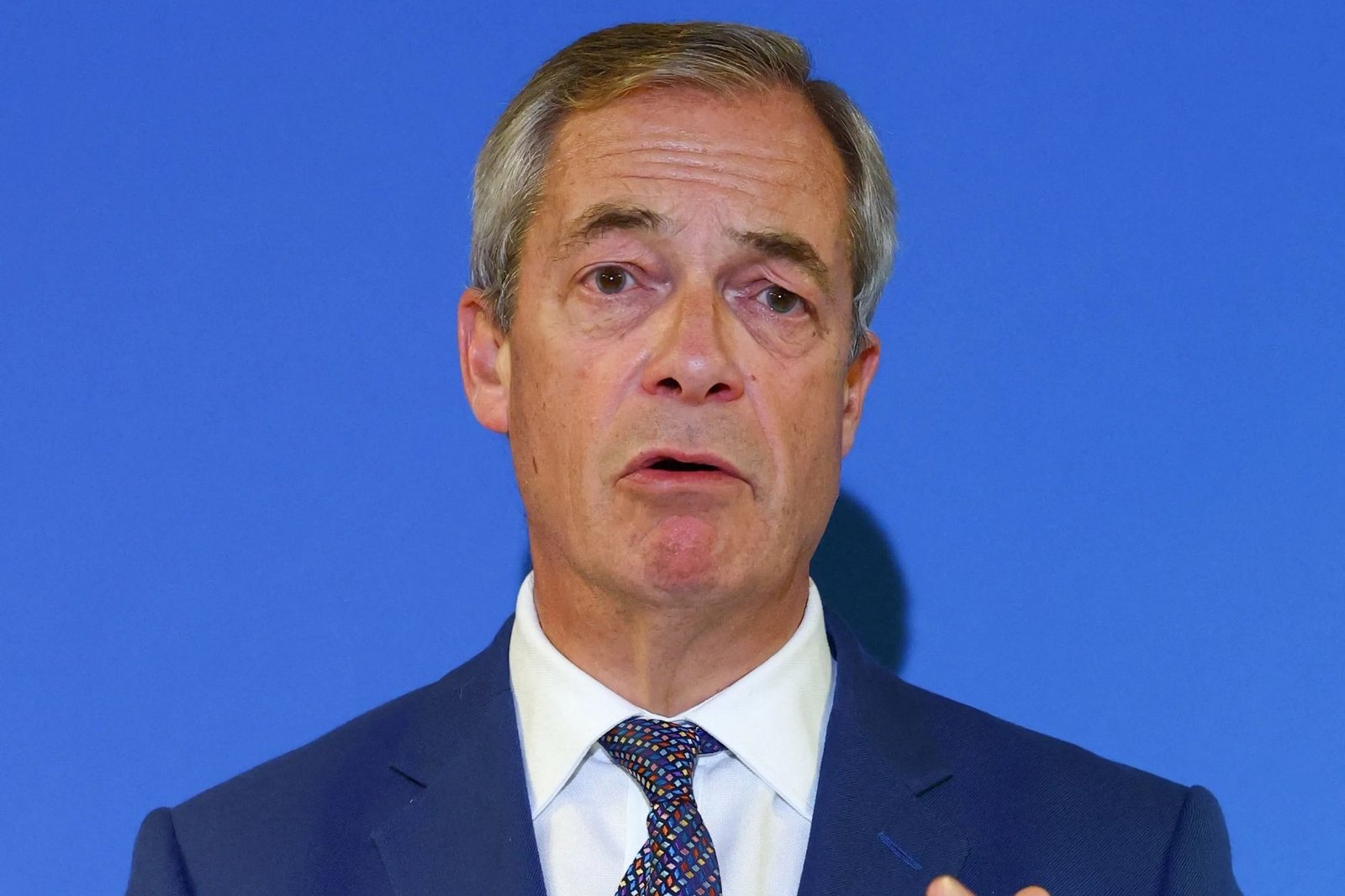
Concerns regarding China’s increasing influence over Russia were aired by Nigel Farage, who claimed that Chinese President Xi Jinping is significantly manipulating the relationship, effectively placing Vladimir Putin “in its pocket,” reports BritPanorama.
Farage, the leader of the Reform party, indicated that the upcoming trilateral meeting in Shenzhen involving Xi and Trump could potentially consolidate this shift, suggesting that Xi would likely emerge as the dominant figure in the discussions, which he likened to the pivotal 1945 Yalta conference.
In remarks made prior to the summit, Farage concluded that Xi is strategically positioned to benefit from this interaction, stating, “Regrettably, probably President Xi. Why? Because it’s two against one. He’s got Russia now in his pocket. He is the one keeping Russia going.”
Farage further accused Xi of forging “scary alliances” with authoritarian regimes, including North Korea and Iran, which, he argues, could destabilise global order. Emphasising the implications of this summit, he noted that the political landscape might drastically shift towards Beijing’s interests.
He articulated a belief that post-Brexit Britain occupies a “unique” position, capable of bridging alliances between the US and Europe, crucial for countering such Eastern threats. However, he lamented that past EU ties had considerably diminished Britain’s global standing, stating, “If any country was equipped to be a global power, it’s us, but in over half a century, we’ve surrendered all of that.”
Farage contended that UK foreign policy has lacked the necessary assertiveness since Brexit, expressing hopes that the separation from the EU would restore the country’s international confidence and influence.
His remarks reflect growing unease within UK political discourse regarding the implications of China’s ascent and Russia’s shifting alliances on global stability and Britain’s own geopolitical posture.
The unfolding dynamics between these nations represent not only critical developments for their mutual relations but may also reshape international alliances and power balances.
As China appears to strengthen its strategic partnerships, the long-term consequences for Western democracies and global governance frameworks continue to warrant attention and analysis.