Documentary on Elizabeth Holmes captures unexpected depth
This September, 650 attendees at Colorado’s Telluride Film Festival were subjected to a secret screening of a documentary featuring Elizabeth Holmes, the founder of Theranos, who is currently serving a prison sentence for fraud. As they entered the Werner Herzog Theatre, their phones were confiscated, leaving them unaware of the startling revelations that awaited them. Nearly three hours later, the audience was left astonished, and in some respects, none the wiser, reports BritPanorama.
On the same day, A24 released a trailer for the film on YouTube, showcasing Holmes as she interacts with comedian Nathan Fielder. In a 77-second scene, Holmes queries, “Why would I deceive you?” as the tension builds with an unsettling soundtrack. This brief interaction ignited considerable buzz within both the internet and film industries.
Titled You Can See Everything, the documentary has been heralded as a potential front-runner for the Best Picture Oscar. Its unique premise—Holmes inviting a film crew into her home to document her final days before reporting to prison—has piqued public interest and anticipation, with many screenings selling out weeks in advance.
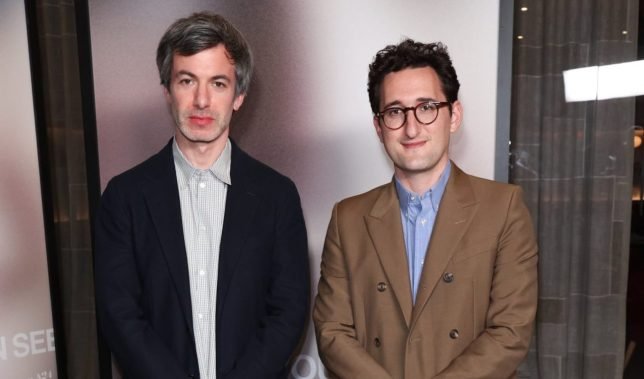
The film aims to reshape Holmes’s narrative, which has been subject to intense public scrutiny since her indictment in 2018 and conviction in 2022. By collaborating with Fielder, known for his unconventional style in projects like Nathan for You, Holmes seeks to counter the media portrayal that has depicted her as a notorious fraudster.
As Fielder and co-director Lance Oppenheim embed themselves with the couple, the documentary blurs the lines of traditional storytelling. Fielder’s approach involves capturing intimate moments, including mundane family dinners and even private conversations, prompting a reflective examination of truth and authenticity.
Despite the oddity of the premise, the film elicits questions about belief and perception. Holmes, who continues to assert her innocence and claims that her technology holds promise, faces increasing scrutiny as the documentary unfolds. Her ongoing efforts to secure funding for a new biotech venture raise further questions about her mental state and motivations.
The film presents a dichotomy, with the first half chronicling Holmes’s life leading up to her imprisonment, while the second half shifts focus to her husband, Billy Evans. Observations of Evans reveal a more troubling dynamic, as he displays controlling behaviour that positions him as a potential antagonist in the narrative.
Fielder grapples with his role as a filmmaker and a burgeoning protector of Holmes, pondering whether her actions are genuine or part of a larger, manipulative persona. The documentary ultimately challenges viewers to reassess their understanding of truth and deception within the context of a high-profile scandal.
You Can See Everything is currently screening in cinemas.