Ed Miliband takes up UK seat at the World Bank
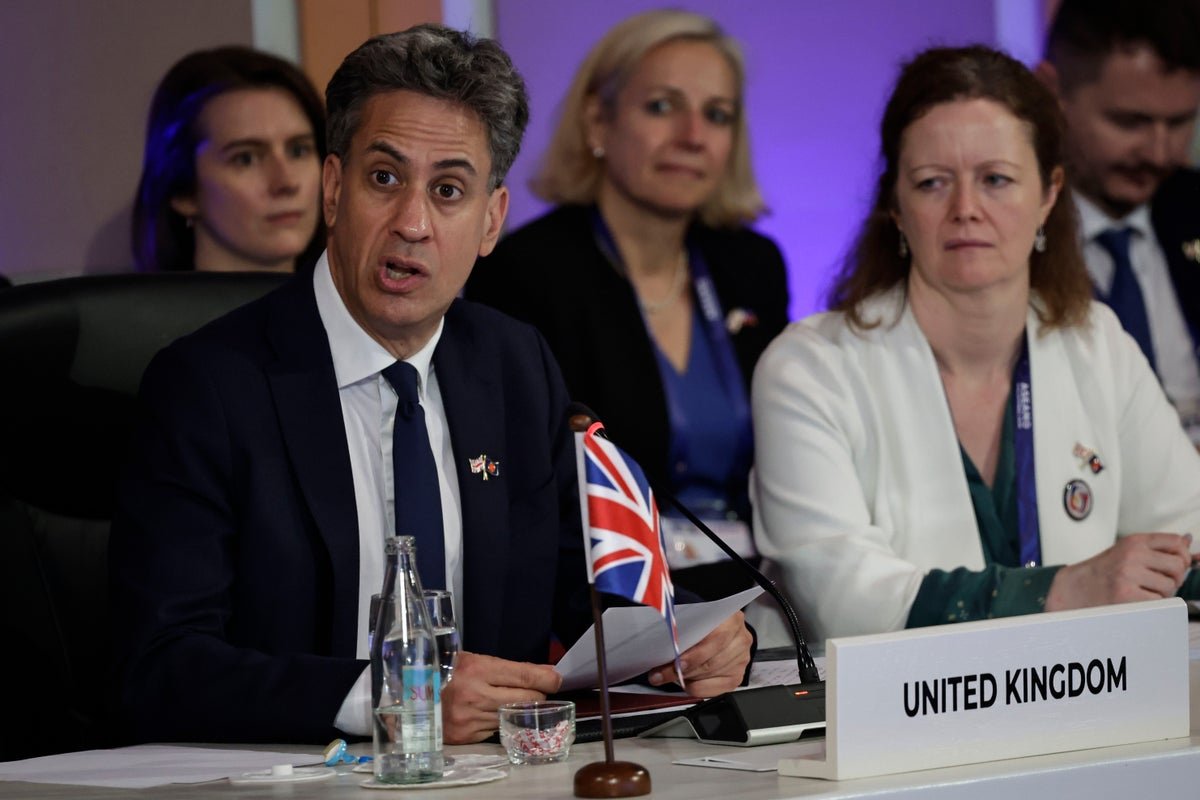
Ed Miliband has assumed the UK’s role on the board of the World Bank, emphasizing that international development and the climate crisis are “central” to government policy, reports BritPanorama.
In this position traditionally held by a junior minister, the foreign secretary has stated his commitment to take “personal leadership” on overseas aid and global finance to assist countries in adapting to climate challenges. Miliband previously served as energy and net zero secretary in Sir Keir Starmer’s government.
“International development is not an add-on to British foreign policy — it is central to it,” Miliband asserted. He added, “By taking on the role of UK governor to the World Bank, I want to send an unambiguous signal that this Government is serious about its global leadership on development and climate.”
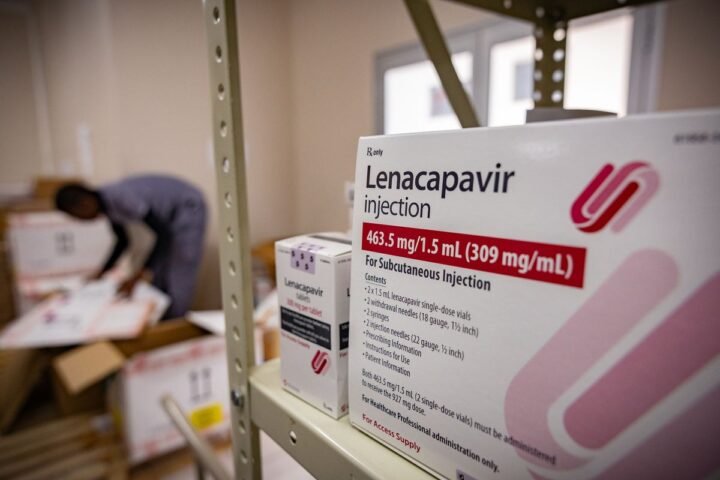
This appointment coincides with the UK implementing substantial aid cuts, reducing spending from 0.5 per cent to 0.3 per cent of Gross National Income (GNI) through to 2029.
Nine African nations will see their bilateral aid slashed by over 80 per cent, with total aid to the region falling from £1.6 billion to under £700 million. Long-standing UK partners including Ghana, Kenya, Malawi, Tanzania, and Mozambique are among those most affected, with aid relationships drastically reduced.
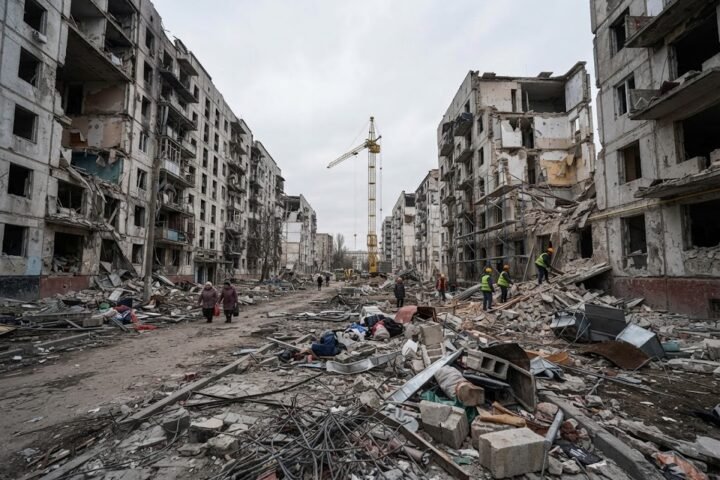
For instance, Kenya will see a 93 per cent reduction in UK foreign aid, while Tanzania and Mozambique will face declines of 91 per cent and 90 per cent, respectively. Countries grappling with severe humanitarian crises, such as the Democratic Republic of Congo amid an Ebola outbreak, will experience a 29 per cent cut in aid, and Lebanon will see a 58 per cent decrease.
Overall aid reductions from 2024/5 to 2028/9 will amount to about £6.5 billion. Aid to fragile and conflict-affected states is projected to decrease by 34 per cent, with funding for least developed countries expected to drop by 49 per cent, and aid to Africa is set to decline by 56 per cent.
UK climate aid is also under review, falling from £11.6 billion over five years to £6 billion for the next three years. This has triggered a 50 per cent cut in contributions to the Green Climate Fund, a primary source of financing for developing countries facing climate challenges. Green groups and MPs have criticized Prime Minister Andy Burnham for diverting climate aid funds to support a new £500 million policy that caps bus fares in England at £2.
Miliband succeeds Yvette Cooper as foreign secretary, amid indications from The Independent that this transition could allow for greater emphasis on climate priorities and provide a pathway to restore UK aid spending to 0.7 per cent of GNI.
The Foreign, Commonwealth and Development Office (FCDO) stated that “UK leadership at the World Bank will help drive international action on poverty, climate change and economic stability, and tackle global issues, like food insecurity and energy price shocks, helping make food and energy more affordable for people in the UK.”
Miliband will be joined by the new minister for development, Kirsty McNeill, who he characterized as bringing “outstanding experience and deep personal commitment” to the agenda. Together, they aim to enhance the UK’s effectiveness in addressing the significant challenges of our era.
World Bank President Ajay Banga noted, “The United Kingdom is a valued partner of the World Bank Group and a longstanding champion of development. I look forward to working closely with the foreign secretary to help countries create jobs, mobilise more private capital, and deliver opportunity for people. Together, we can help turn ambition into results where they matter most.”
This development highlights the UK’s evolving role in international aid and climate policy, even as budget cuts pose significant challenges for various recipients. The intricacies of maintaining commitments amidst fiscal constraints will be critical in the coming years.