New details emerge in Peter Murrell’s embezzlement case
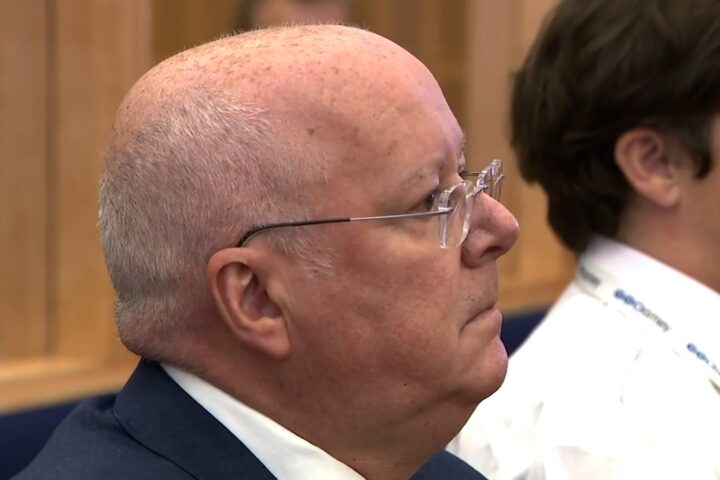
Extraordinary new details emerged today as Nicola Sturgeon’s estranged husband Peter Murrell returned to the High Court in Edinburgh over his alleged embezzlement of £400,000 from Scottish National Party (SNP) funds, reports BritPanorama.
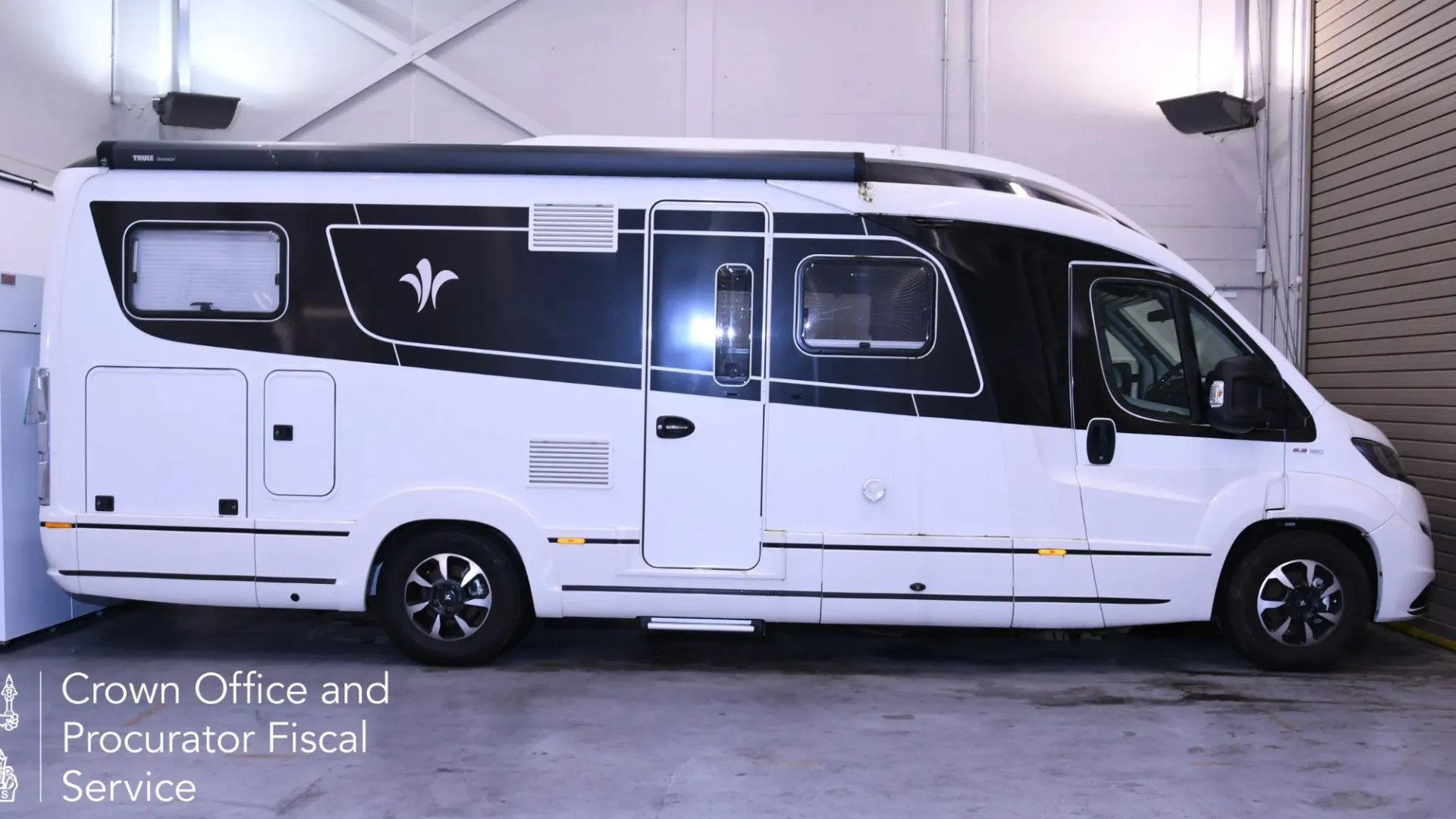
During a hearing in Edinburgh, Advocate Depute Alan Cameron KC outlined how Murrell had deceived party officials to finance the purchase of two cars and a luxury motorhome. The motorhome, valued at £124,550, was acquired using SNP resources, with significant funds transferred directly to the dealer from the party’s bank account.
Images presented in court revealed the immaculate interior of the Niesmann and Bischoff Smove 7.4e campervan, which included high-end furnishings, luxury kitchenware, and advanced features such as built-in navigation and security systems. The campervan was delivered to Halbeath Industrial Estate in Dunfermline on January 22, 2021, after Murrell used SNP credit cards to make a £12,500 deposit, with subsequent payments amounting to £112,050.
Murrell took extreme measures to conceal his actions, falsifying records using the SNP’s accounting software and creating a fabricated invoice to mislead auditors. The address on the invoice was altered from his home in Glasgow to SNP headquarters in Edinburgh. Moreover, he manipulated details of the motorhome’s upgrades, presenting a misleading narrative to party accountants that subsequently classed the purchase as a “fixed asset.”
Despite claims regarding the campervan’s use for the Covid-19-impacted Holyrood election in 2021, prosecutors indicated that it remained unbranded and lacked any campaign materials. Mr. Cameron noted: “It was configured exactly as a motorhome used for pleasure would be.” Murrell’s justification for his misappropriation of funds indicated a troubling attempt to intertwine personal benefit with party activities.
In addition to the motorhome, Murrell has a history of using doctored invoices to make personal purchases. He previously used party funds to buy two cars— a Volkswagen Golf and a Jaguar i-Pace— and has faced scrutiny over fraudulent expense claims that included irrelevant purchases that ultimately benefited him personally.
As the investigation continues, the determination of accountability for the alleged financial misconduct remains paramount as more evidence is brought to light.
This case raises significant questions about governance within political parties and the mechanisms in place for financial oversight. As details unfold, the need for transparency and accountability in political finance becomes increasingly critical, highlighting the systemic issues that can arise when checks and balances are insufficient.