Andy Burnham hints at tax rises in upcoming Autumn Budget
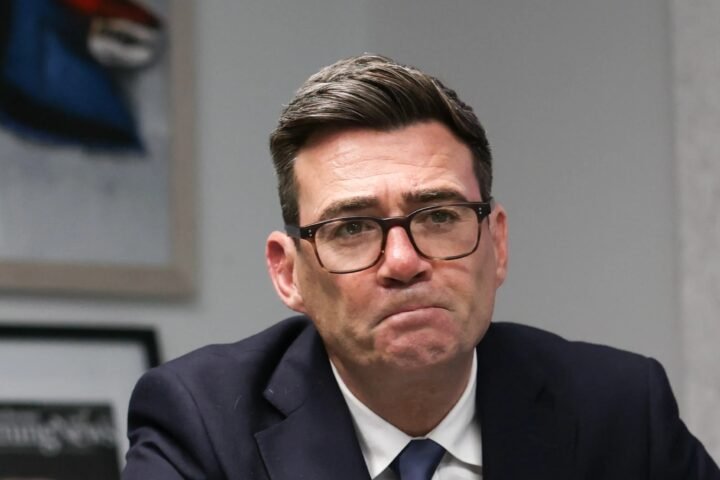
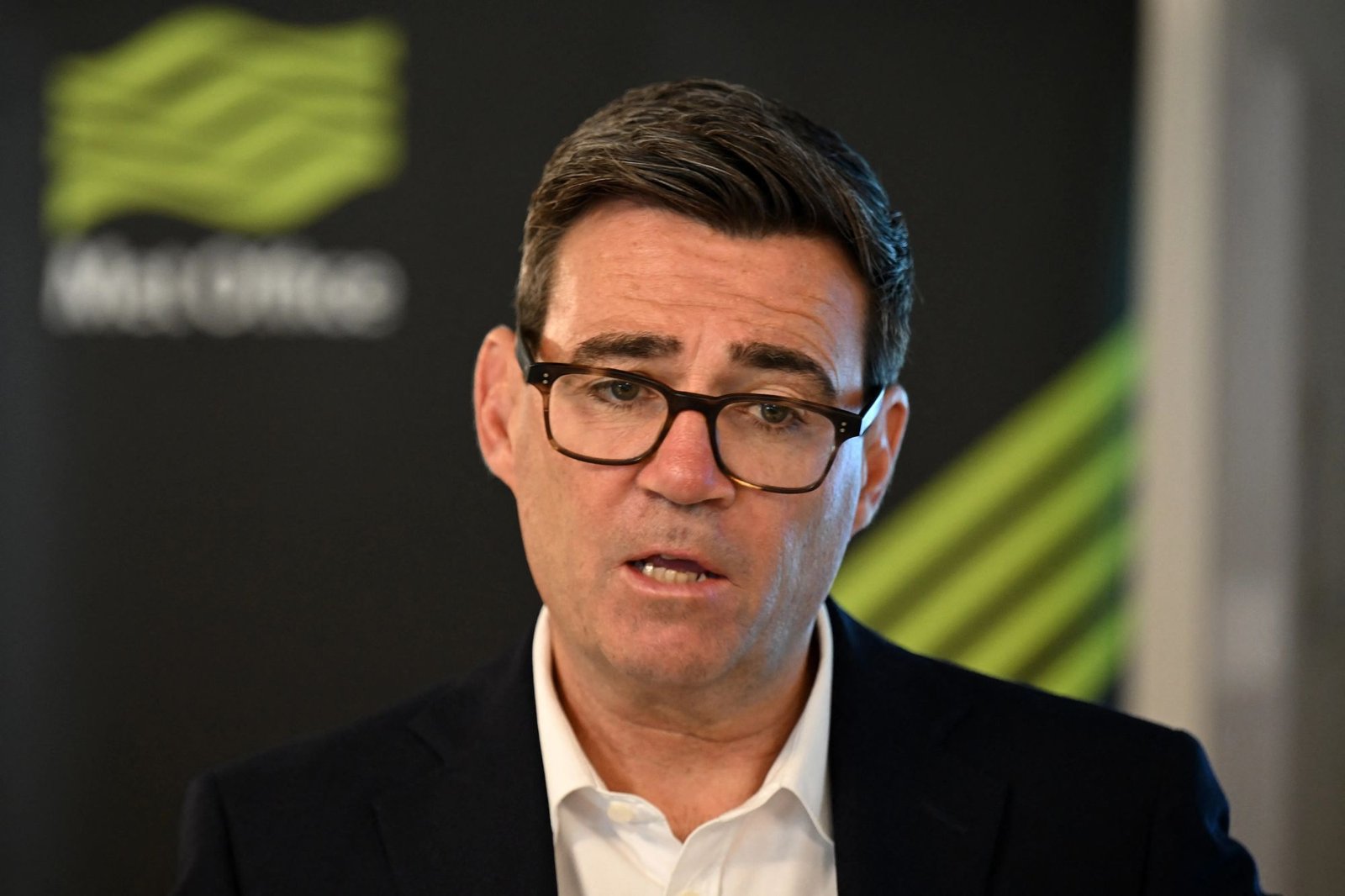
Prime Minister Andy Burnham has indicated that tax increases could be on the table in his forthcoming Autumn Budget, acknowledging that “we are in a challenging position”, reports BritPanorama.
In a recent statement, Burnham emphasized that he “won’t be unrealistic” about the Government’s financial obligations as Chancellor John Healey prepares to present his first Budget on October 28. The possibility of tax hikes has been underscored by experts who point to economic pressures, including those stemming from ongoing conflicts such as the Iran war and the associated need for accentuated defence spending.
Britain’s defence budget is projected to reach 2.7 percent of national income (GDP) by the end of the decade, with Burnham committing to an increase to 3.5 percent by 2035. This escalation reflects a broader governmental strategy to address rising security threats while balancing fiscal responsibilities.
Burnham elaborated on his cautious approach, stating, “I will always take a careful approach to things. I won’t take risks with people’s jobs or livelihoods or their family finances.” While he has assured the public that they will not face hikes in income tax, VAT, or National Insurance, he did not preclude increases in other areas. This cautious stance comes amidst a £24 billion squeeze on public finances and a recent unexpected rise in government borrowing to £1.8 billion.
Experts are raising alarms over the potential need for increased taxes to sustain the planned government spending, particularly in light of policies aimed at reducing business rates for pubs and implementing a cap on bus fares. With the UK already grappling with nearly £1 trillion in daily welfare expenses and a national debt approaching £3 trillion, the economic landscape creates significant challenges for Burnham and his administration.
At a critical juncture for the government, Burnham must navigate the expectations of addressing public needs while remaining fiscally responsible. His focus on strategic welfare reform and prudent spending policies reflects an awareness of the intricate balance required in current economic circumstances.
In the backdrop, recent tensions surrounding military funding have also impacted the fiscal conversation. Healey’s previous resignation as Defence Secretary over disagreements with former Prime Minister Sir Keir Starmer about military spending requirements has exacerbated the need for clarity in budgetary priorities.
As the Government prepares for the upcoming Budget, the implications of Burnham’s decisions are poised to resonate across public sectors and potentially redefine the fiscal landscape in the UK.
The significance of these discussions is amplified by the interconnectedness of global events and national policy, underlining the importance of vigilance and adaptability in governance.