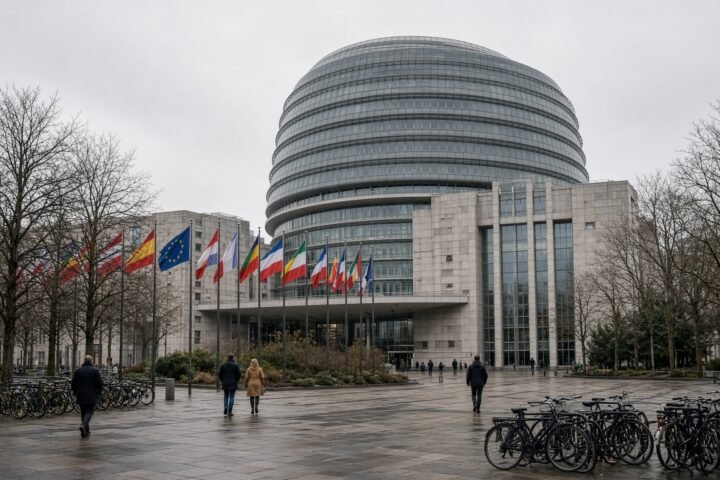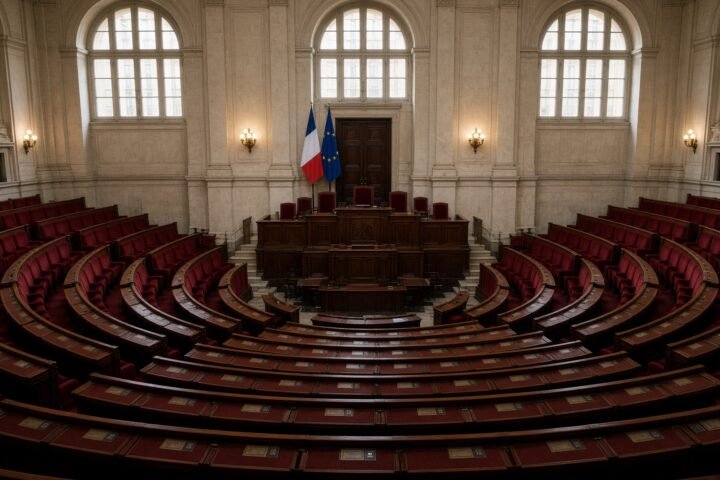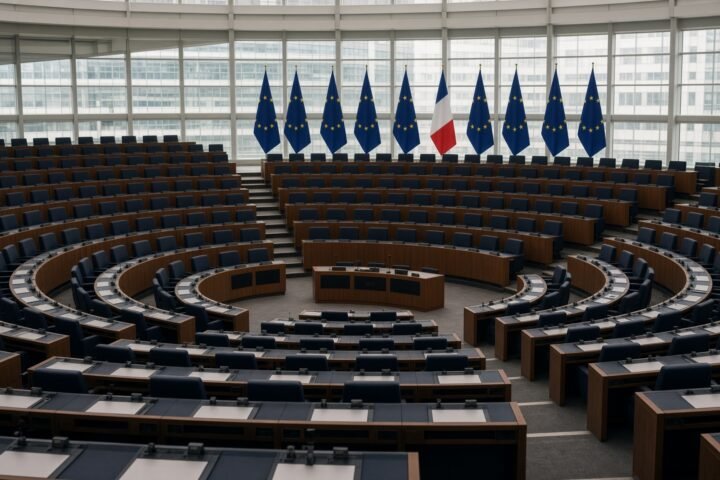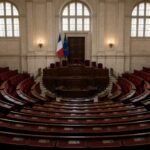
Searches at the European Parliament in Brussels and Strasbourg have reopened scrutiny of more than €4.3 million spent by a former political group that included members of Marine Le Pen’s National Rally. The investigation concerns possible misuse of parliamentary funds between 2019 and 2024, but it has not established criminal responsibility by Le Pen or current MEPs.
The searches, reported on 21 October 2026, form part of a case opened by the European Public Prosecutor’s Office in 2025. Investigators are examining whether money belonging to the former Identity and Democracy (ID) group was used to pay companies allegedly connected to people close to Le Pen, or given to organisations whose activities did not match the purposes of a parliamentary group.
Those are the lines of inquiry, not proven findings. The central task is to establish where the money went, what was delivered in return and who authorised each payment.
What the investigation must establish
European Parliament groups receive public money to support political and organisational work linked to their parliamentary responsibilities. They can use outside contractors and work with external organisations. A payment to a private company or a donation to an organisation is not automatically unlawful.
The relevant question is whether each expense served a legitimate parliamentary purpose and was handled under the applicable rules. Investigators will need to identify the companies and organisations that received funds, examine the services or activities involved, and determine whether those services were real, properly documented and connected to the work of the ID group.
They will also have to trace the approval process. A disputed payment may reflect poor administration, a failure to meet financial rules or a more serious and deliberate attempt to direct public money away from its authorised purpose. The total figure alone cannot distinguish between those possibilities.
The period under review covers five years in which ID brought together several right-wing and nationalist parties in the European Parliament. National Rally was among them. That political connection explains why the case has immediate consequences for Le Pen’s party, even though the reported investigation concerns the former parliamentary structure and its spending arrangements.
Continuity in politics, not necessarily in law
ID no longer exists in its previous form. National Rally now sits in the Patriots for Europe group. Representatives of that group reject the idea that it is the legal successor to ID and stress that the investigation is not directed at sitting MEPs.
The distinction could become important if the inquiry leads to repayment demands or other financial claims. Responsibility would then depend on who controlled the accounts, who made the decisions and which legal entity held the relevant obligations during the period being examined.
The later movement of politicians from one group to another does not, by itself, establish legal succession. Nor does the absence of such succession settle the responsibility of people who administered ID’s funds at the time. Political continuity and institutional liability are separate questions.
That argument also limits what can safely be inferred about National Rally’s present-day role. Its members’ former participation in ID connects the party to the public debate around the case, but it does not automatically make today’s parliamentary group liable for every earlier decision. Equally, a change of group would not shield any individual who was responsible for an improper payment, if investigators ultimately prove one occurred.
A reputational problem before a legal conclusion
The investigation nevertheless creates a political vulnerability for National Rally. The party presents itself as a defender of French taxpayers and regularly criticises the European Union’s spending and financial discipline. Scrutiny of European money associated with a former group in which its MEPs participated invites an uncomfortable comparison between that message and the controls applied to funds within its political orbit.
That reputational risk is distinct from proof of wrongdoing. Public association can take hold before prosecutors reach conclusions, particularly when the case involves a prominent party and its long-standing leader. The searches may therefore damage the party’s claim to financial responsibility without showing that Le Pen personally directed, benefited from or knew about any disputed expenditure.
The eventual political impact will depend on the detail of the money trail. If the payments corresponded to genuine services, supported parliamentary work and complied with the rules, the suspicions may weaken. If investigators find repeated spending unrelated to the group’s mandate, the consequences would extend beyond accounting and raise harder questions about oversight.
For now, the searches mark a new stage in a case that began in 2025, not its conclusion. The decisive facts remain the identity of the recipients, the nature of the work or activities financed, and the chain of approval behind each transaction. Those findings will determine whether the matter remains a problem for a defunct parliamentary structure and its administrators, or reaches further into the political organisation that followed it.