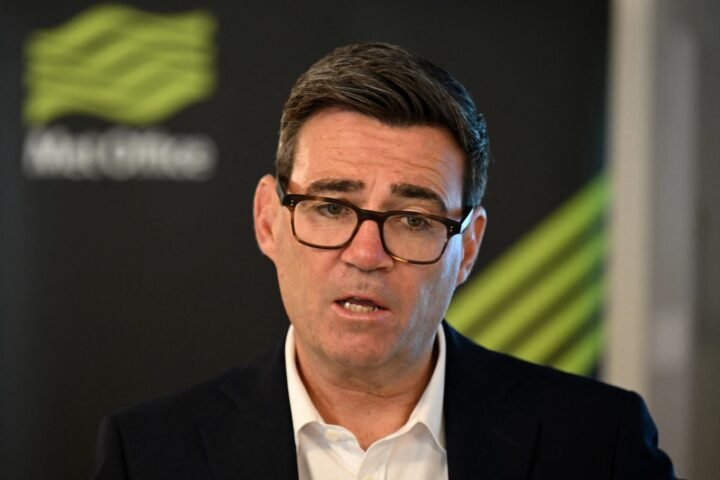
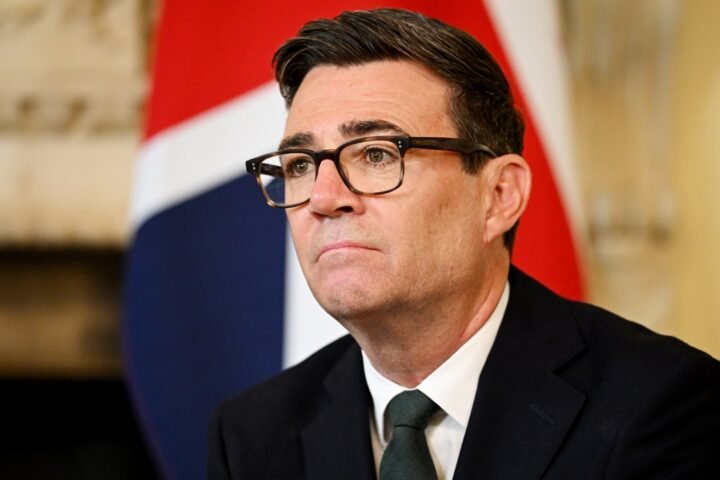
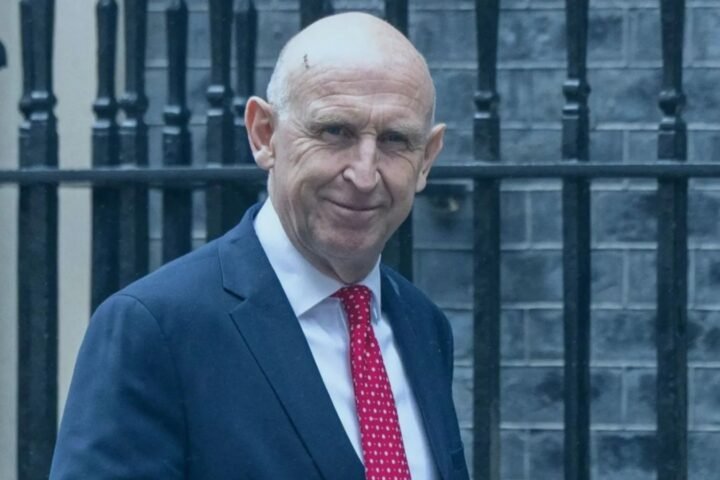
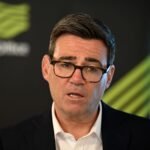
Chancellor John Healey refuses to rule out tax increases ahead of Budget
Chancellor John Healey has declined to categorically rule out further tax rises in next month’s Budget, despite calls for reassurance from families and businesses grappling with financial pressures, reports BritPanorama.
During a series of interviews, Healey was repeatedly questioned about potential tax increases scheduled for October 28, but he maintained that he would not engage in speculation ahead of the financial announcement.
His comments come amid reports that more than half of the Government’s £23.6 billion Budget headroom has already been consumed by escalating borrowing costs. He reaffirmed his commitment to restoring stability in public finances, stating that he aims tobalance the books while ensuring fiscal responsibility.
When pressed about whether households and businesses could expect to avoid additional tax burdens, Healey stated, “You were trying to take me onto questions of tax, questions that are part of anticipating the Budget I will deliver on Oct 28.” He emphasized the importance of withholding responses to speculative questions, arguing that doing otherwise would only fuel further speculation.
Economists have warned that soaring interest rates and increased bond yields could result in an additional £12 billion in debt costs by 2029-30. Healey attributed much of this fiscal strain to the previous government under Liz Truss, claiming that the country had been paying a “Truss penalty” well into the current financial landscape.
These rising costs come alongside Healey’s acknowledgment that £1 in every £10 spent by the government is now directed towards servicing debt interest. “Fiscal discipline was my first priority as Chancellor,” he said, underscoring the necessity of fiscal prudence as a foundation for all government commitments.
In a speech at the Manufacturing Technology Centre in Coventry, Healey outlined his vision of transforming Britain into “Growth Britain.” He announced a £150 million initiative to support fast-growing businesses in the north and pledged to reduce the regulatory burden on firms by 25% by the end of Parliament. Additionally, local councils and mayors will have increased financial autonomy through new arrangements allowing them to retain more business rates and share in local income tax from 2028.
Reacting to his proposals, the Conservative Party criticized Healey as “continuity Rachel Reeves,” with Shadow Chancellor Andrew Griffith expressing skepticism over the Labour Party’s commitment to business and family finances. Griffith highlighted the lack of clear plans to address welfare reform and defense funding, particularly as job cuts loom at companies like Jaguar Land Rover.
Overall, the upcoming Budget is poised to be a pivotal moment for the government’s economic strategy, as Healey balances the demands of fiscal responsibility with the necessity of fostering growth in challenging economic times.
The next few weeks will be critical as uncertainties in the economy blend with political pressures, requiring deft navigation from the Chancellor to meet both expectations and obligations.