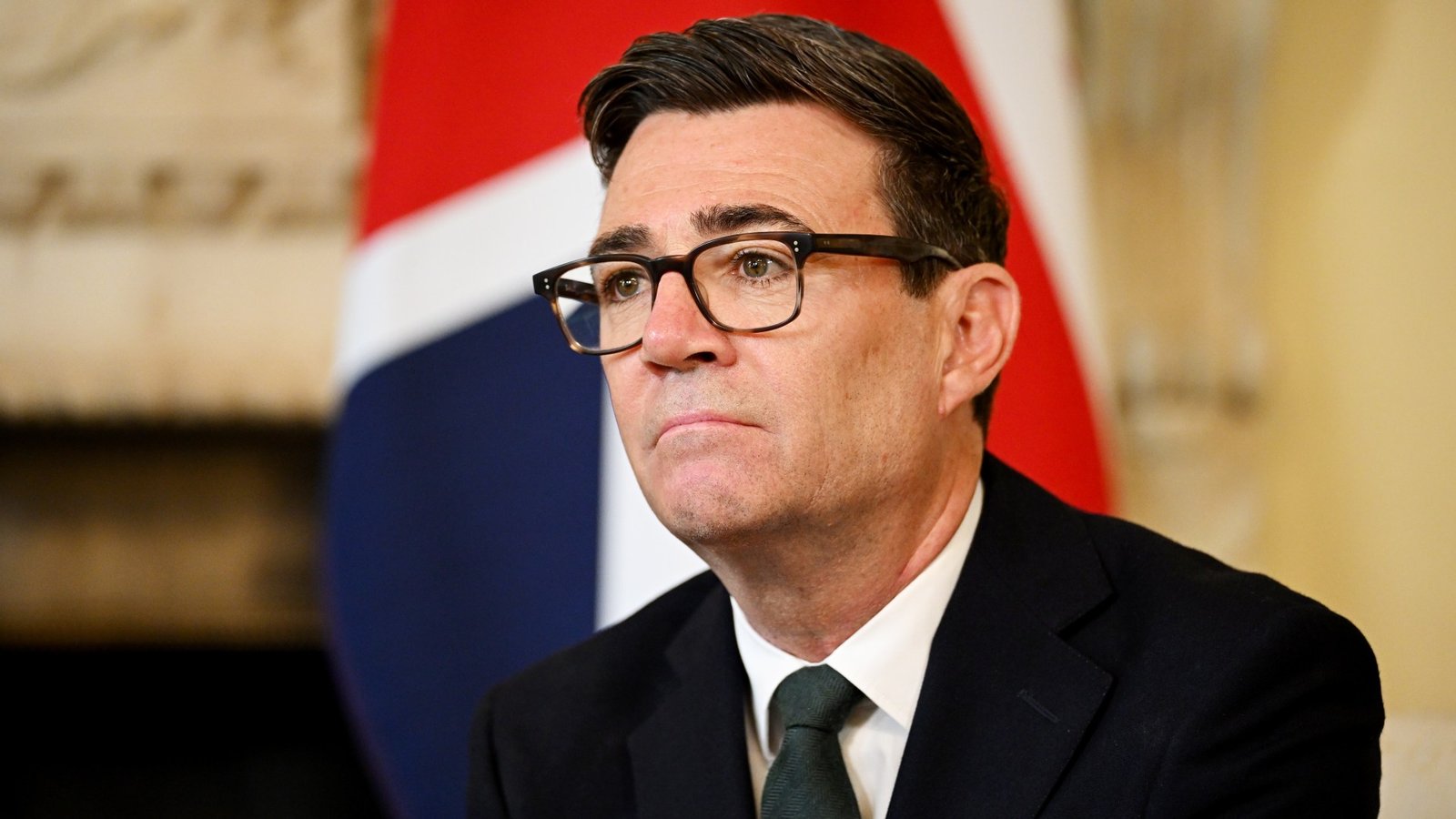
Andy Burnham faces pressure to protect Freeview amid public concerns
Andy Burnham is under public pressure to save Freeview as four in five Brits expect the Prime Minister to safeguard free-to-air TV, new polling reveals, reports BritPanorama.
A compelling 75 per cent of the public expressed concern over Labour’s proposals to scrap Freeview, which provides accessible television services for millions across the UK.
Amid growing uncertainty, ministers are deliberating whether to end terrestrial television entirely, potentially leading to a shift towards broadcasting TV solely over the internet.
In response to public outcry, The Sun initiated a “Save Our Sets” campaign aimed at preserving the free TV service, reflecting the significant discontent among viewers.
During a House of Commons session, Burnham indicated his apprehension regarding the proposals, expressing a desire to take a closer look at the details before any decisions are made.
Public sentiment suggests that nearly 70 per cent of respondents believe the Prime Minister would break his promise if the transition to online broadcasting proceeds.
Dennis Reed, director of Silver Voices, emphasised that the switch-off plan could disproportionately affect pensioners, urging Burnham to decisively abandon the proposal to prevent delays and uncertainty.
A spokesperson for the Save Free TV campaign highlighted that millions depend on Freeview and called for a commitment to ensure its availability until at least 2044.
In a joint letter, over 50 MPs urged Culture Secretary Lisa Nandy to shelve the “rushed 2034 switch-off,” arguing that it would severely impact vulnerable groups, particularly older viewers.
Shadow Culture Secretary Rebecca Paul remarked, “While Burnham has indicated he’ll review the Freeview situation, voters are seeking concrete actions rather than empty promises from our newly appointed Prime Minister.”
A government spokesperson reiterated the commitment to a gradual transition towards online viewing, assuring that any changes will be made only when proper safeguards and infrastructure are established to protect viewers’ access to television.
In the Labour party, backbenchers are preparing to oppose the proposed 2034 switch-off, claiming that Freeview acts as a crucial service for older audiences.
In a related development, 52 Labour MPs have called on Secretary Nandy to ensure the continuation of terrestrial TV until 2044 to avoid losing this vital resource.
Cabinet minister Steve Reed affirmed that Freeview is essential for many, especially those on fixed incomes or without reliable internet access, stressing the importance of avoiding an advance switch-off that would impose an effective paywall on this long-standing service.
Reed affirmed his support for extending the Freeview service to 2044, stating it would protect the most vulnerable, keep household costs manageable, and maintain national resilience.
Ministers have suggested that an earlier transition could result in savings that might be reinvested in improving the BBC’s services.
The ongoing debate reflects larger tensions surrounding accessibility, media policy, and the future of public broadcasting in an increasingly digital landscape.
As discussions continue, the fate of Freeview hangs in the balance, illustrating the complexities of modern media consumption and the government’s role in supporting universal access to television services.