Questions raised over Russian interference in Brexit referendum
The prime minister believes the Brexit referendum result was “legitimate”, despite Downing Street saying it is “inconceivable” Russia did not seek to interfere with the vote, reports BritPanorama.
Concerns surrounding Russia’s involvement in the 2016 referendum have intensified following claims by Andy Burnham that it was “clear” Moscow had interfered with the vote. The prime minister revealed that upon his arrival in Downing Street this summer, he inquired whether Moscow had been involved and was given “the clear answer that yes, there was”.
On Monday, however, a Foreign Office minister stated that Russian attempts to interfere in the Brexit referendum were not successful. “We know what the result was. I don’t think they’ve succeeded in their efforts,” Stephen Doughty told LBC.
No 10 reiterated this perspective, asserting that while the government does not believe Russian attempts to interfere with the referendum were effective, the prime minister’s spokesperson noted: “Given everything we know about Russia, it is inconceivable they did not seek to use the referendum for their benefit.”
When asked if he regarded the 2016 result as legitimate, the prime minister replied affirmatively: “Yes we do believe the referendum result to be legitimate.” He insisted he accepts the referendum result and did not consider his remarks on The Rest is Politics Podcast to contain “loose language”.
During the same podcast, he conveyed a conversation with German Chancellor Friedrich Merz regarding the influence of Russia, stating: “There is certainly misinformation, disinformation that is emanating from Russia into German politics.”
The prime minister underscored the importance of acknowledging Russian interference, stating, “I mean, these things are important now to put clearly on the record and help voters in Germany and France understand that some of this politics is instigated via our enemies, namely Russia.”
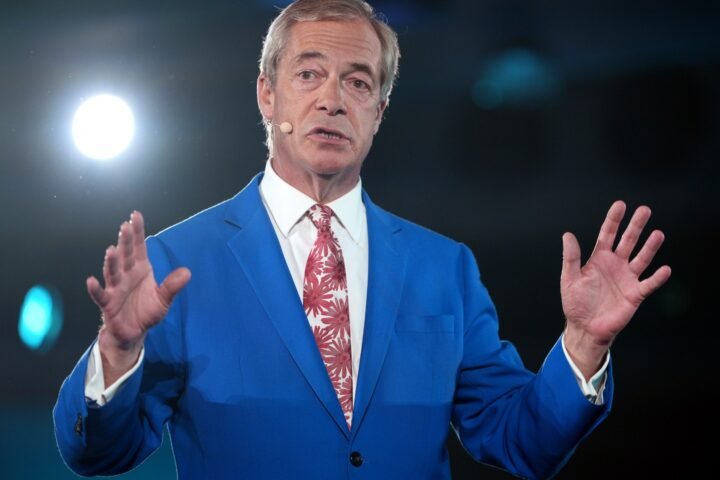
In response, Reform UK leader Nigel Farage dismissed Burnham as “a liar”, asserting at a press conference: “There was no Russian interference, and the Russia hoax has run all the way through this.”
Doughty did not elaborate on the specifics of what form Russian interference allegedly took in 2016 or whether it had been successful, stating, “I’m not going to get into the specifics of Russia’s actions against the UK, but what is clear is that Russia is attempting to interfere in democratic processes, not just in the UK but across Europe.”
Highlighting the scale of the threat, Doughty indicated that Russia is investing £1.5 billion in disinformation this year and called for a “whole of society effort” to counter the threat Moscow poses to British democracy.
In light of recent revelations, pro-EU campaigners have renewed calls for Britain to restore its EU membership, emphasizing the importance of “public confirmation” regarding suspected interference. Naomi Smith, chief executive of Best for Britain, remarked, “What is now more vital than ever is that pro-Europeans make it unmistakably clear: there is only one option on the table that could begin to repair that damage, and it’s restoring our EU membership and putting the UK back at the heart of Europe, as soon as possible.”