BP urges UK government to increase North Sea oil and gas drilling
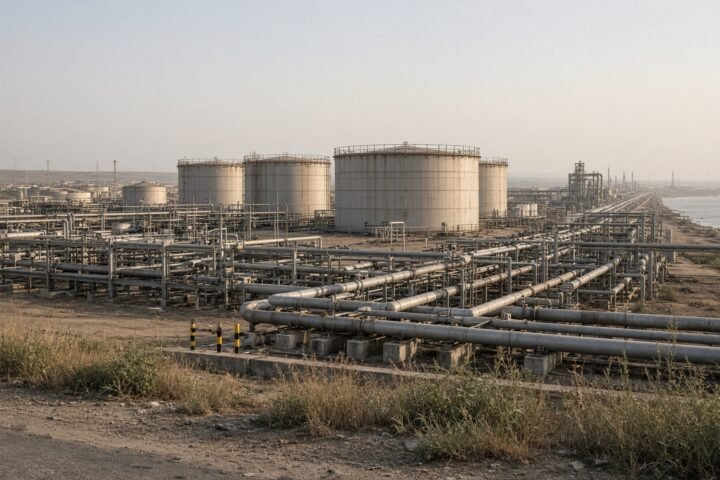
BP has called on the UK government to enhance its efforts in North Sea oil and gas drilling while reconsidering what it terms “damaging tax hikes” affecting the sector, reports BritPanorama.
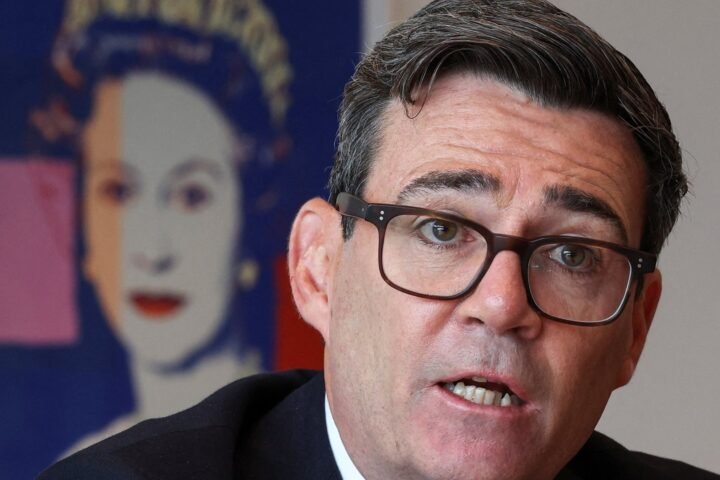
This intervention follows pressure on Prime Minister Andy Burnham to further utilize the country’s domestic energy supplies, as the oil and gas industry has criticized the recent windfall tax imposed by the government.
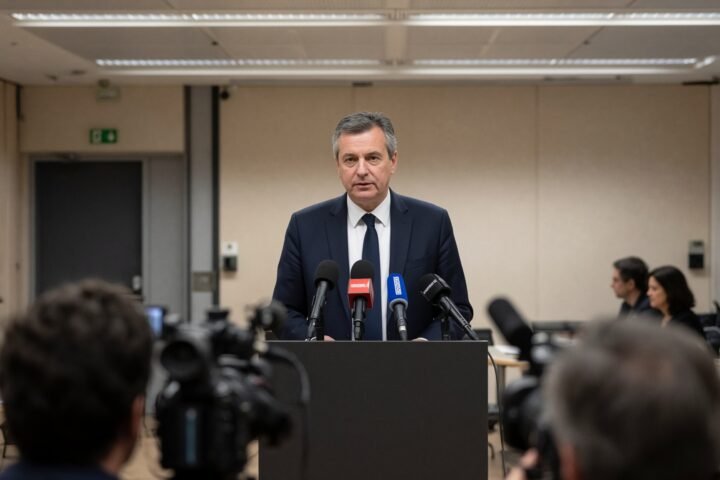
BP’s chief executive, Meg O’Neill, made her remarks after the firm announced quarterly profits of £4.26 billion, the highest since the beginning of the Ukraine war in 2022, attributed to rising prices amid global tensions including the recent Middle East conflict.
O’Neill expressed optimism about future growth in the North Sea, noting, “We do still see growth potential in the North Sea – there’s still undeveloped fields there. We would love to see exploration resume in the North Sea.”
In response to rising industry concerns, the Labour government recently increased the windfall tax, known as the Energy Profits Levy, to 38 per cent, bringing the total tax burden on North Sea oil and gas companies to an alarming 78 per cent.
O’Neill remarked that from an investment perspective, “dollars spent in the North Sea are just not as competitive as other opportunities.” This statement highlights the industry’s challenge in maintaining attractiveness in a competitive global energy market.
Adding to the pressure, former US President Donald Trump described the UK as “sitting on top of gold” regarding its energy resources. Speaking from the White House, Trump suggested that increased exploration under Burnham’s leadership could prove beneficial. He stated, “When you look at the UK, they have one of the best energy fields in the world, North Sea oil.”
Trump’s comments resonate with ongoing discussions about national energy policy and the potential for economic revitalization through the strategic exploitation of domestic resources.
In a pointed critique, he warned that failure to capitalize on these resources could result in financial difficulties for the country, stating, “You’re sitting on top of gold, better than gold, and you don’t do anything with it.”
As the dialogue around North Sea energy progresses, the implications for the UK’s energy future continue to evolve, with potential ramifications for policy, investment, and national economic health.
Much hinges on how the government navigates the complex landscape of energy demands and taxation. Its decisions may well define the trajectory of the UK’s energy sector in the coming years.