BP puts North Sea business up for sale, ending six decades of production
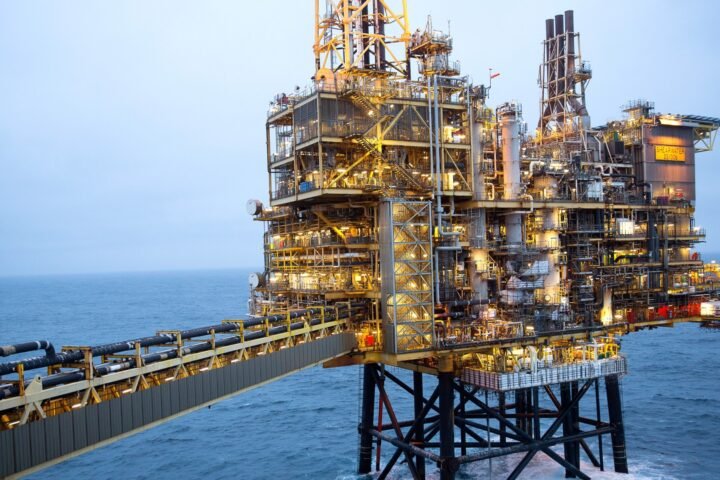
BP has put its UK North Sea business up for sale as it looks to end over 60 years of production in the region, reports BritPanorama.
The company’s chief executive Meg O’Neill stated that she believes the North Sea business would be “better positioned as part of another company,” as part of a strategy to slim down the group through divestments.
This decision emerges amid ongoing controversy regarding the government’s approach to drilling in the North Sea. While Labour’s manifesto for 2024 commits to not issuing new oil and gas licences, it has left the door open for existing licences, with Andy Burnham signalling a potential for future drilling.
The Conservatives have attributed the sale to what they called Labour’s “disastrous net zero dogma,” urging the new prime minister to approve projects like the Jackdaw and Rosebank sites. Shadow energy minister Andrew Bowie claimed that BP’s exit results from misguided policies that threaten the company’s longstanding operations in British waters.
“BP has been drilling in British waters for six decades, but because of Labour’s disastrous net zero dogma it faces extinction,” Bowie said, calling for an immediate reversal of licensing bans to retain investment.
In 2025, BP’s North Sea operations consisted of five production hubs, generating output of 117,000 barrels of oil equivalent per day. Approximately 1,100 staff are employed within this segment as part of BP’s total workforce of approximately 13,960 in the UK.
O’Neill reiterated the importance of the North Sea to the UK’s energy framework, remarking, “However, as we focus our portfolio and direct capital to our highest-value opportunities, we believe our North Sea business will be better positioned as part of another company.”
Current consultations on the Jackdaw gasfield east of Aberdeen and the Rosebank oilfield west of Shetland will run until August 10 and August 17, respectively.
Burnham noted his commitment to a pragmatic approach regarding North Sea development, underscoring the necessity of utilizing local resources during challenging times.
On the opposition side, Richard Tice, shadow business, trade and energy secretary for Reform UK, labelled the sale as indicative of Britain’s declining energy strategy, attributing the situation to excessive taxes and policy failures from both major political parties.
Market analysts characterize BP’s decision as a pivotal moment. Chris Beauchamp, chief market analyst for IG, expressed that it reflects a lack of confidence in the UK’s energy policy to adapt swiftly enough to market needs, rendering BP’s continued presence there untenable.
Amid these developments, BP has also announced plans to cut around 700 jobs globally within its production and operations business, aiming to reduce non-frontline roles to drive long-term performance amid an evolving market landscape.
In the wake of restructuring, BP reaffirmed its commitment, stating, “We are building a simpler, stronger, more valuable BP.”