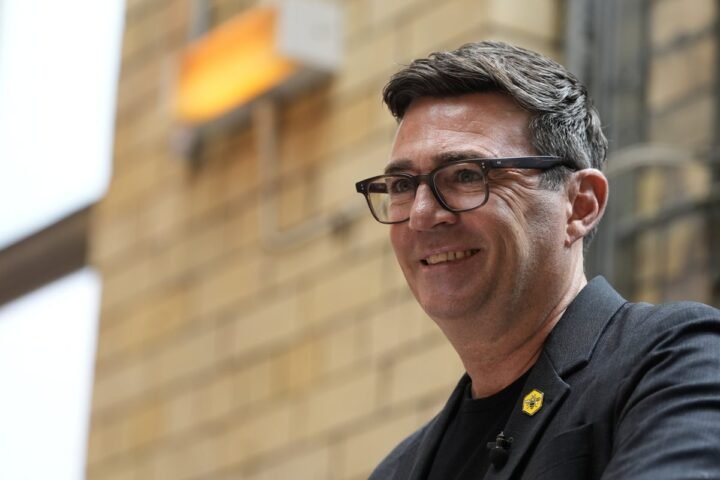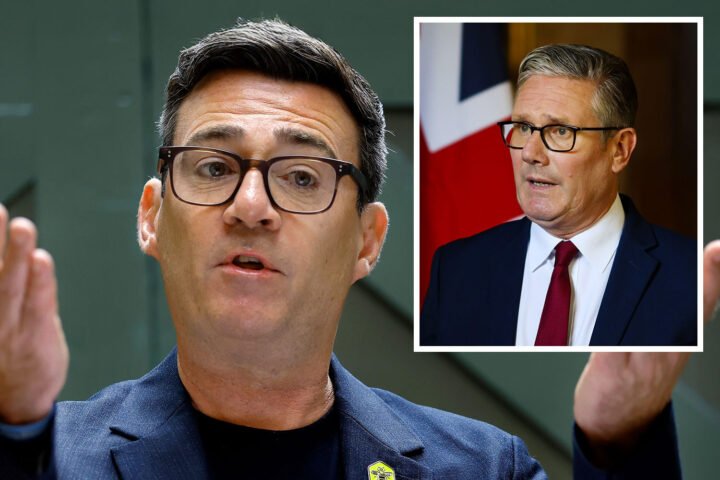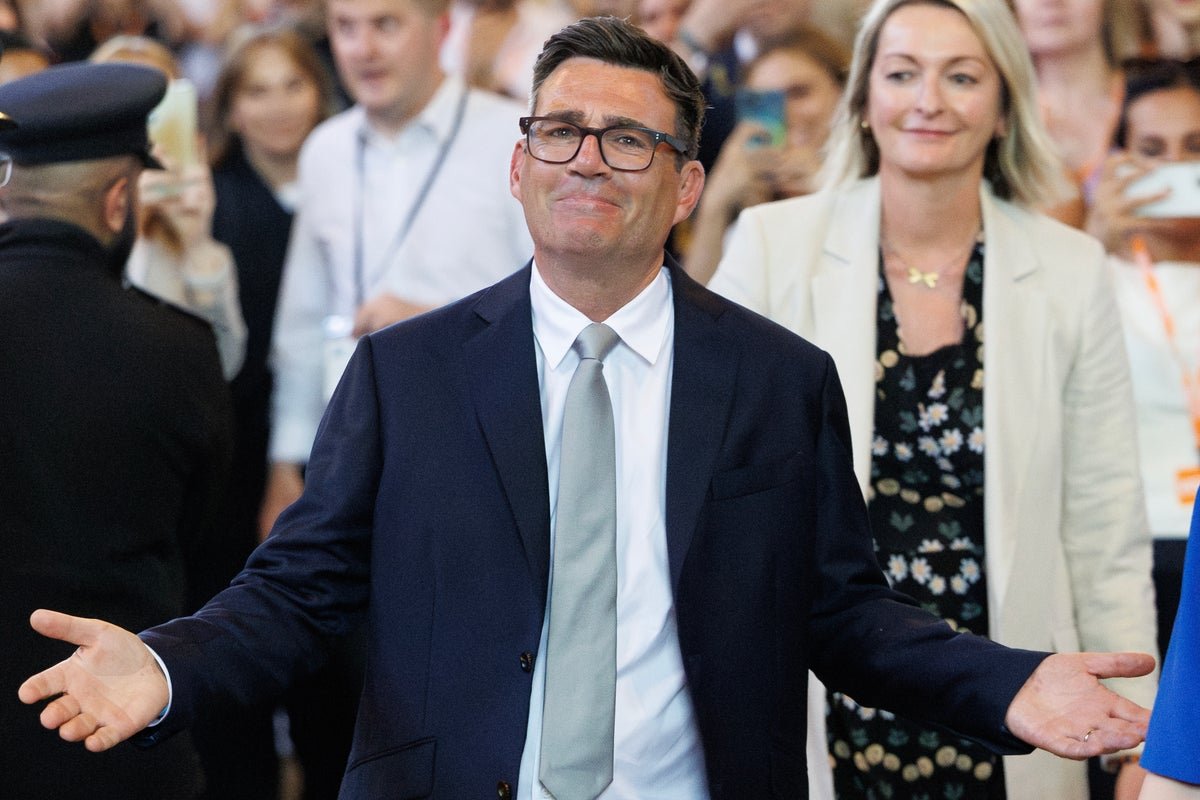
Andy Burnham has been confirmed as the new Labour leader following nominations from 379 of the 403 Labour MPs, solidifying his path to No 10. As he prepares to enter Downing Street, speculation is mounting regarding his cabinet appointments and, notably, his choice for chancellor, reports BritPanorama.
Burnham, who was sworn in as an MP last month, now faces pressure to implement significant changes that go beyond policy adjustments. A major aspect of this transformation will involve assembling a cabinet that showcases a wider ideological spectrum than that of his predecessor, Sir Keir Starmer.
The selection of chancellor is critical; it will signal Burnham’s intended shift in governance. Currently, Rachel Reeves, the incumbent chancellor, is viewed as likely to exit her role amidst discussions surrounding potential options for her future, which may include a role as defence secretary to address budgetary issues within the Defence Improvement Plan.
Two prominent names emerging as candidates for the chancellor position are Shabana Mahmood and Ed Miliband, each emblematic of different economic philosophies within Labour. Mahmood, viewed as highly competent and aligned with the party’s right, is considered the frontrunner for the role. However, concerns have arisen regarding her stance on tax and welfare, which could alienate some voters.
Conversely, Miliband, a known proponent of left-leaning economic reform, appears poised for a different position, likely foreign secretary, tasked with addressing reforms in international aid spending.
More female MPs could be brought into cabinet
If Burnham secures the premiership, he may bring numerous female MPs into key positions. Louise Haigh, who previously lost her place in Starmer’s cabinet, is anticipated to gain prominence as Chancellor of the Duchy of Lancaster. Her involvement in Burnham’s campaign positions her well for a significant role in his administration.
Additional names, such as Anneliese Midgley, Angela Rayner, and Lucy Powell, are also being discussed for cabinet roles, with Rayner potentially returning as health secretary following a period of political recovery.
The possibility of reshuffling the cabinet raises questions about the fate of several current ministers, notably Deputy Prime Minister David Lammy and others closely associated with Starmer.
As the Labour Party prepares for a potential change in leadership, the makeup of Burnham’s cabinet will undoubtedly influence party direction and broader governmental approaches during an increasingly complex political climate.
As decisions loom on appointments that could define a new era for Labour, insights into party dynamics and strategy will continue to emerge.