Labour faces accusations of union influence after recent conference
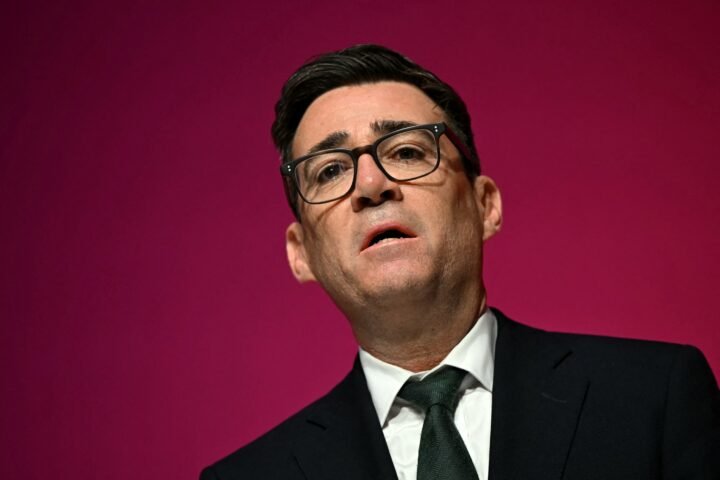
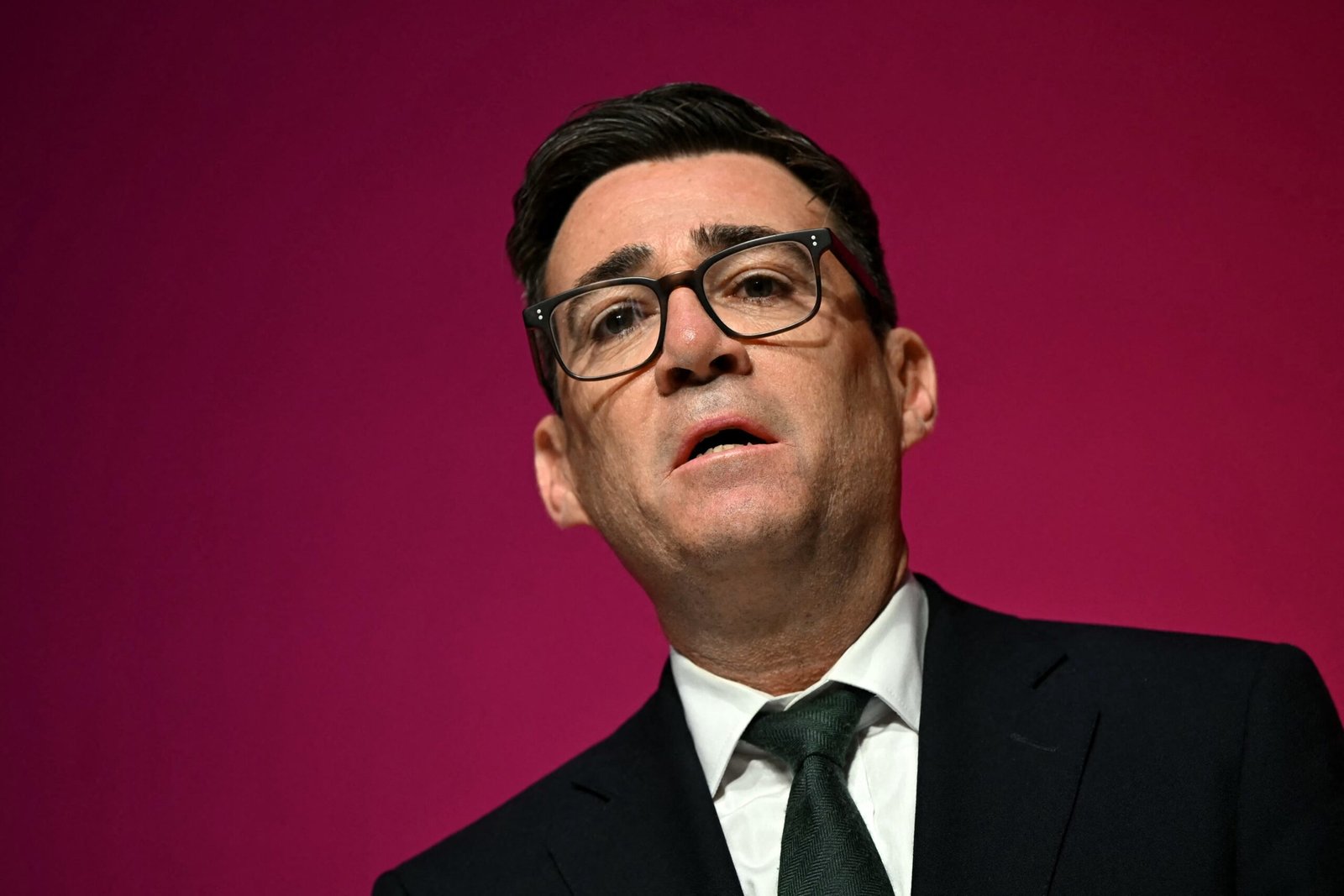
Andy Burnham, the Prime Minister, has been accused of being “in hock” to trade unions following his concessions to their demands during his first conference as Labour leader this week, reports BritPanorama.
During the conference, Burnham announced a £15 million allocation from taxpayers to revive the Union Learning Fund and outlined a plan for extensive public ownership initiatives, including nationalising Avanti West Coast train services from March 2026. This reflects a continued financial reliance on unions, with Labour having received nearly £43 million from them since 2020.
Shadow Business Secretary Julia Lopez criticized the Labour leadership, stating, “If anyone needed proof that Labour are in hock to the unions, they need look no further. Labour know who pay their wages.” She further asserted that the party fails to understand business interests, attributing this to frontbench members lacking private sector experience.
Burnham’s conference remarks included a commitment to correct what he characterized as previous governments’ prioritization of “vested interests.” However, his approach has drawn scrutiny amidst growing concerns about the influence of union donations on Labour’s policy-making.
Chancellor John Healey joined the conference discussions, pledging a new era of industrialisation with a significant “buy British” initiative. Additionally, the Home Secretary indicated a potential rollback of stricter immigration regulations, which could safeguard tens of thousands of foreign workers from more stringent settlement conditions, amid pushback from Labour and union leaders.
Amidst this backdrop, Labour peer Lord Richard Walker has warned of impending tax burdens on businesses, expressing fears that the government may exploit companies financially in the upcoming October 28 Budget.
As Labour navigates these internal and external challenges, its policies and alliances will likely play a crucial role in shaping its future viability as a governing party.
In a political landscape increasingly coloured by trade union influence, the capacity for governments to balance public needs with economic sustainability remains a pressing challenge. With the Labour Party at a pivotal junction, the repercussions of these developments may reverberate throughout the UK’s political framework.