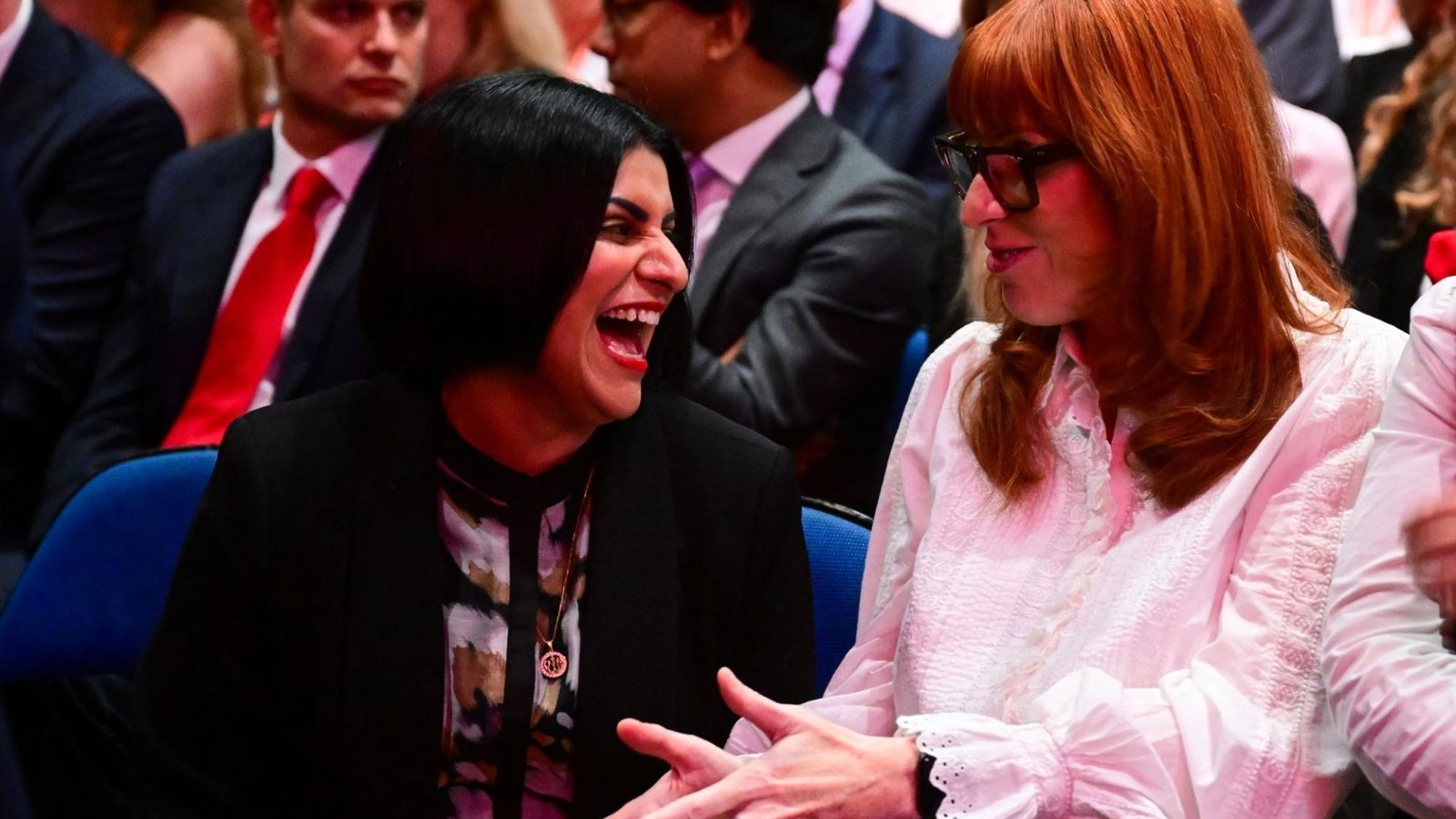
Shabana Mahmood’s immigration policy faces backlash from Tory rival
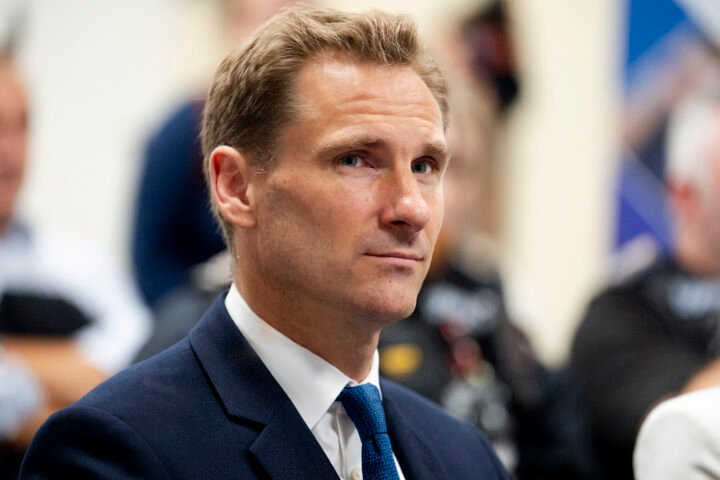
Shabana Mahmood, the current Shadow Home Secretary, is reportedly softening Labour’s immigration reforms, which has drawn sharp criticism from her Conservative counterpart, Chris Philp, who claims her approach signifies a capitulation to the Left’s influence on government policy, reports BritPanorama.
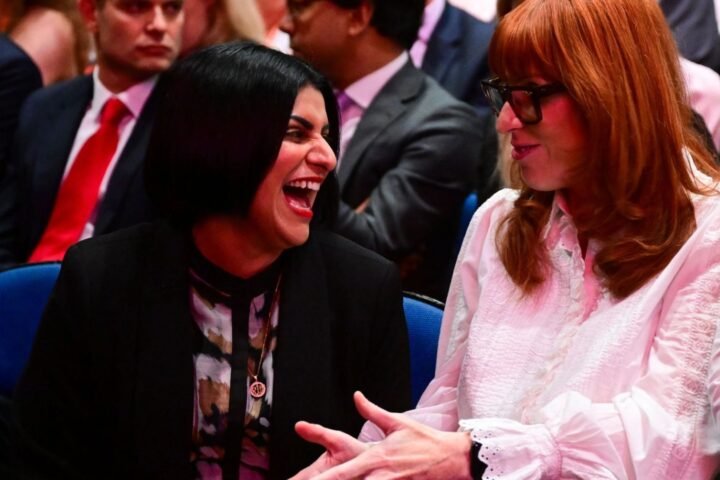
Philp accused Labour deputy leader Angela Rayner of effectively dictating migration policy, suggesting that her leadership has led to a rebellion against existing reform proposals. Philp and other Tory members are voicing their concerns over what they perceive as Labour’s retreat from stricter immigration controls, particularly in response to a backlash from over 100 Labour MPs against the revisions.
Mahmood’s proposed changes would double the time required for foreigners to gain permanent residency in the UK, from five to ten years. The plans include potential exemptions for many migrants already residing in the UK, which Philp argues undermines the government’s ability to control immigration, stating, “What appears to be about to happen is that she’s going to give in, she’s going to surrender to the forces on the Left.”
Furthermore, Philp suggested he is willing to support legislation to expedite a range of reforms in Parliament, despite discontent among Labour MPs. He stated a desire for “net negative migration,” indicating a preference for more individuals leaving Britain annually than arriving. Meanwhile, he has proposed deporting low-wage migrants earning less than £30,000 upon the expiration of their temporary work visas.
Critics within Labour have characterized the proposed immigration changes as “un-British,” illustrating the contentious nature of the debate. A Labour source highlighted that the Tories have lost control over borders, emphasizing the government’s commitment to reducing net migration by over 80% and the decline in small boat crossings by more than 40%.
This ongoing dispute underscores the fractures within the UK’s political landscape regarding immigration policy, illustrating the challenges both parties face in navigating public sentiment on this contentious issue.
As the conversation around immigration remains central to UK politics, the implications of these proposed changes and the responses from key political players will continue to shape the electoral landscape in the lead-up to the next election.