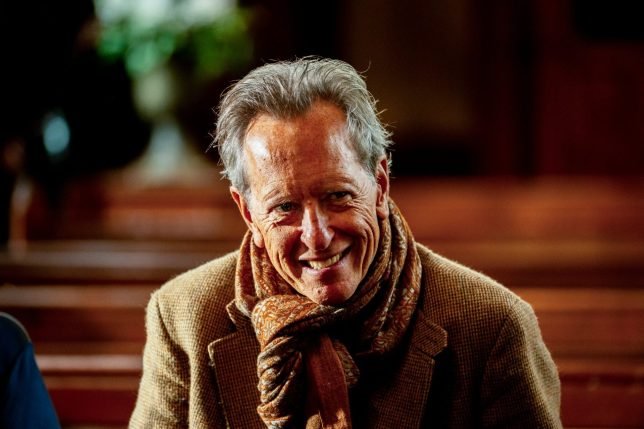
Tory Shadow Home Secretary Chris Philp emphasizes radical immigration reform
In a focused bid to restore Conservative credibility on immigration, Shadow Home Secretary Chris Philp is advocating for significant reforms, asserting that “serious action is needed,” reports BritPanorama.
Philp acknowledges the challenges he faces, particularly in light of the previous government’s failures to effectively manage migration and cut down on illegal crossings. He voices frustrations about governments not taking decisive actions to address what he describes as a “serious crisis” in the Channel, stating, “Successive governments failed to take the radical action needed to end the Channel crossings.”
During a recent interview, he outlined a stringent approach that includes expedited deportations for illegal immigrants. Philp’s stance reflects a broader Conservative agenda to enhance border security ahead of the upcoming party conference in Birmingham. This strategy includes plans to abolish legal avenues for asylum claims in the UK for those arriving illegally, a decisive move he believes is necessary to stem the tide of migrant crossings.
Philp has articulated a commitment to barring anyone who enters the UK illegally from ever claiming asylum. He states, “Illegal immigrants can be deported within a week of arrival. No hotel, no asylum claim, no immigration legal aid, no human rights claim, no messing around, just deportation.” His assertion comes amidst scrutiny of the current government’s handling of migration, which saw over 20,000 irregular arrivals in the past nine months.
Highlighting the inadequacies of Labour’s immigration stance, Philp criticizes the party for its anticipated softening of immigration reform proposals, claiming that it would exacerbate the issues they seek to redress. In contrast, he contends that under new leadership, the Conservatives are poised to implement necessary changes that past administrations failed to undertake.
Moreover, Philp’s increasingly direct critiques point to a lack of action from the French government in addressing the surge of migrants crossing the Channel. He expresses disappointment at “the French government not doing enough,” emphasizing the need for collaboration to better manage migration flows.
Reaffirming the Conservative commitment to tougher immigration laws, Philp suggests changes to current policies governing the deportation of illegal immigrants. He proposes the revival of the controversial Rwanda scheme, asserting that other EU countries are following suit by exploring similar arrangements, which he believes indicates a shift in the European migration debate.
As the political landscape matures, Philp’s narrative is shaped by a mix of frustration over current policies and a determination to establish a clear contrasting vision ahead of the next election. The Shadow Home Secretary remains confident, stating that “the public are sick of it. I’m sick of it,” and pledging that the Conservative Party must offer a credible alternative that addresses the concerns of voters.
As the discussion on immigration heats up in the lead-up to the party conference, Philp’s stance suggests a consolidation of the Conservative Party’s commitment to a stringent immigration policy, aiming to regain public trust on this pressing issue.
The complexities surrounding immigration reform in the UK not only reflect ongoing political debates but also resonate with broader societal concerns about national identity and responsibility. Philp’s assertive proposals may position the Conservative Party to reclaim support among voters skeptical of previous failures, setting the stage for a contentious political battle ahead.